Vietnam’s classic literature introduced to Bruneian youth
As part of the cultural exchange event, the Vietnamese Embassy donated a collection of translated Vietnamese literary works to the International School Brunei and hosted a traditional embroidery workshop for students.
THE HANOI TIMES — The Vietnamese Embassy in Brunei on July 2 introduced classic Vietnamese literature and traditional hand embroidery to students at the International School Brunei (ISB), as part of a cultural diplomacy initiative aimed at deepening people-to-people ties.
The event, organized by the Embassy of Vietnam, sought to promote Vietnamese culture and strengthen the friendship between the two nations.
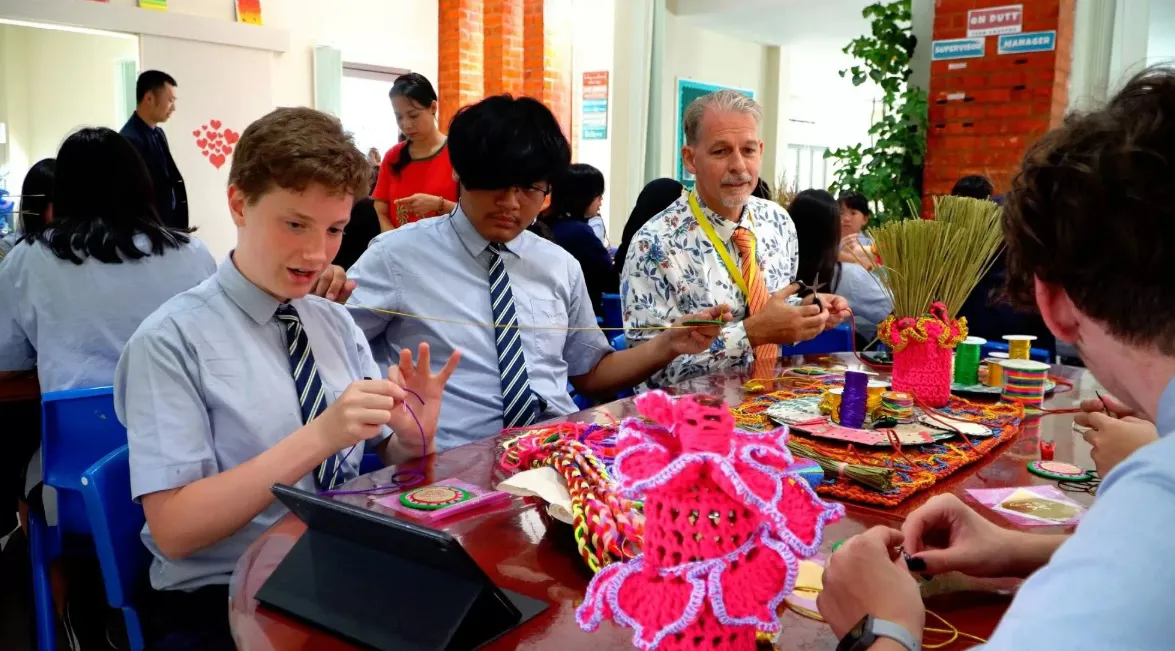
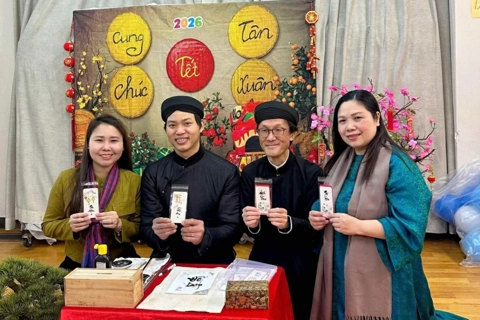
Bruneian students have the opportunity to experience traditional Vietnamese hand embroidery techniques. Photo: Baoquocte
During the event, the embassy donated a selection of Vietnamese literary and cultural studies books to the school library.
The collection included English translations of renowned Vietnamese works, such as De men phieu luu ky (Diary of a Cricket) by To Hoai, and two titles by Nguyen Nhat Anh – Toi thay hoa vang tren co xanh (I See Yellow Flowers on the Green Grass) and Cho toi xin mot ve di tuoi tho (Ticket to Childhood).
"I hope ISB students and our international friends will engage with Vietnamese literature and cultural studies," Vietnamese Ambassador to Brunei, Tran Anh Vu, said at the event.
Additionally, more than 30 students from grades seven to twelve had the opportunity to experience traditional Vietnamese hand embroidery techniques in a hands-on workshop led by Le Thi Hong Ngoan, the ambassador's wife, and Maisarah Nguyen, the founder of Rattan House, a Vietnamese handicraft enterprise.
Ngoan expressed her interest in exploring the use of natural materials found in Brunei in Vietnamese handicraft production, hoping it will foster deeper cross-cultural collaboration in the realm of traditional arts.