Vietnam steps into the global spotlight with culture, cuisine and soul
From the ancient Thang Long Imperial Citadel in Hanoi to the royal complexes of Hue and the vibrant traditions of Vietnam’s 54 ethnic groups, the country’s rich cultural heritage is drawing growing numbers of international visitors, cementing its place as a top destination on the global tourism map.
THE HANOI TIMES — From the jade-colored waters of Ha Long Bay to the rhythmic beats of gongs echoing through the Central Highlands, Vietnam is quietly captivating the world. In today’s global tourism landscape, this Southeast Asian gem is no longer under the radar. It’s bold, beautiful, and back on the bucket list.
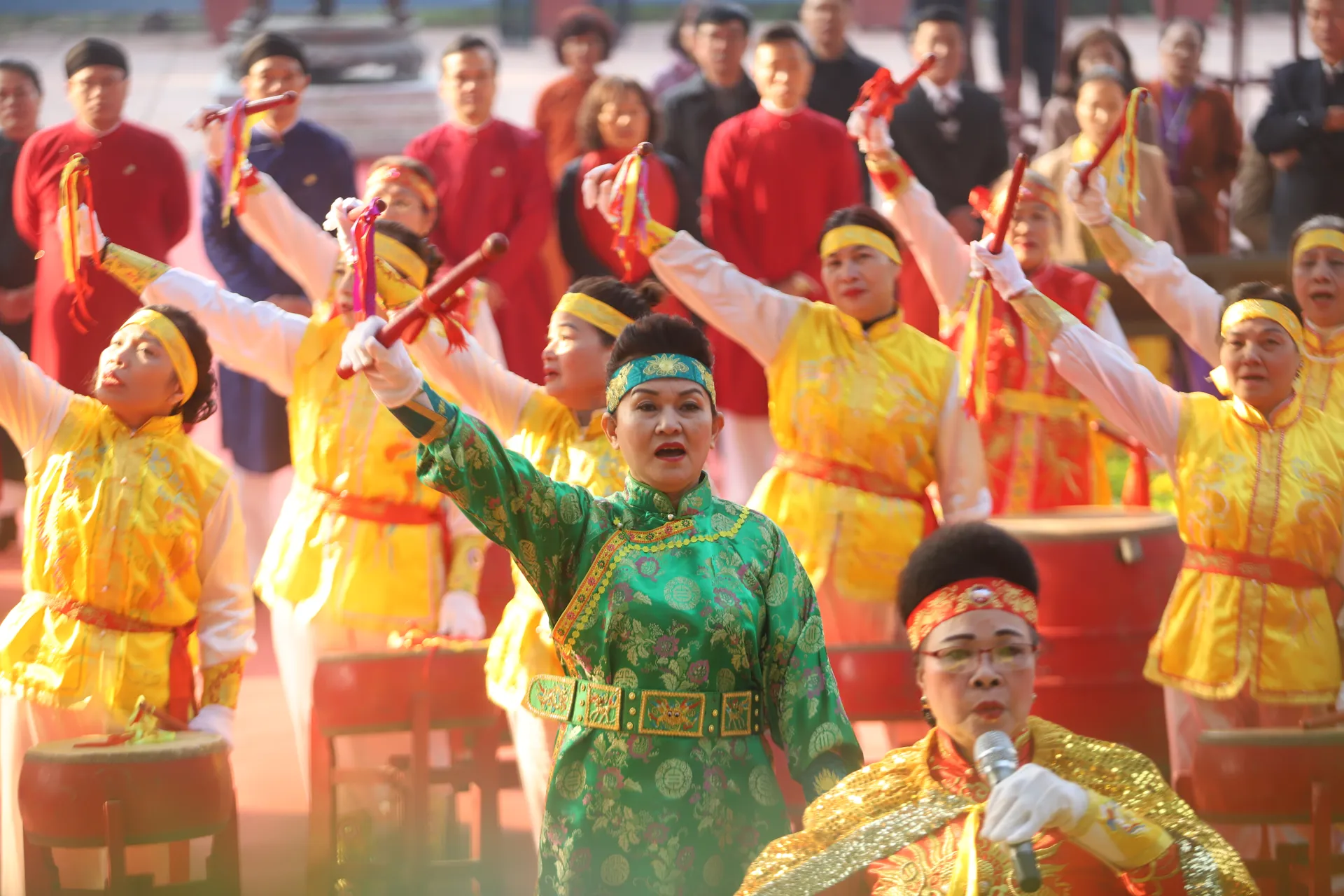
Part of Spring Festival in Hanoi. Photo: Lai Tan/The Hanoi Times
Tourism is booming. In 2024 alone, Vietnam welcomed 17.6 million international visitors, a 39.5% increase from the previous year.
The momentum continues in 2025, with over 10.6 million international arrivals recorded in the first half of the year. This resurgence reflects not only strong demand but also a deepened appreciation for Vietnam’s rich identity and adaptability.
“Tourism promotes the unique cultural values of the Vietnamese people to the world,” said Minister of Culture, Sports, and Tourism Nguyen Van Hung on the 60th anniversary of Vietnam Tourism Day, which falls on July 9.
“It is a vital bridge that fosters friendship and deepens global understanding,” said Hung.
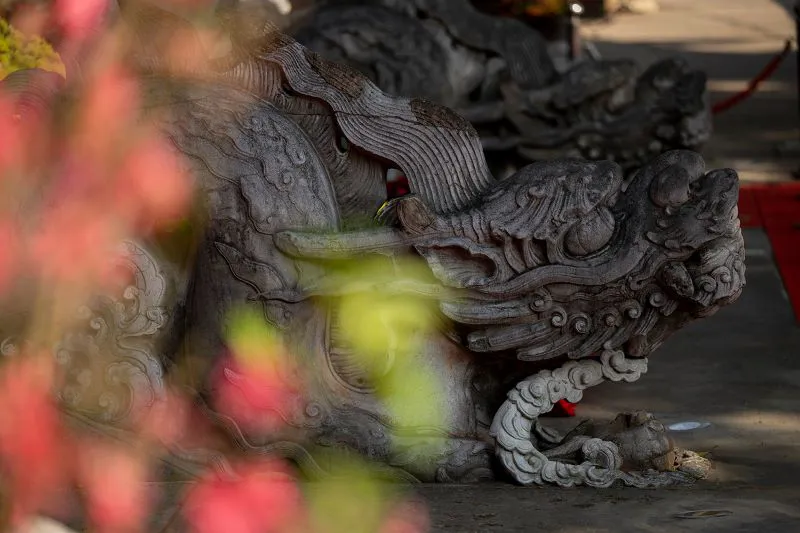
The railing in the shape of a dragon in the Kinh Thien Palace of the Thang Long Imperial Citadel in Hanoi. Photo: Huy Pham/The Hanoi Times
Nature seems to have taken its time here. Stretching along more than 3,260 kilometers of coastline and home to thousands of islands, Vietnam offers a year-round playground for every kind of traveler.
Think sun-drenched beaches, emerald rice paddies, mist-covered mountains, and ancient caves waiting to be explored. From luxury resorts in Danang to eco-retreats in An Giang, every region tells its own story.
But Vietnam is more than a pretty picture. Its soul lies in the details, etched in ancient temples, preserved through traditional music and dance, and simmering in a steaming bowl of pho (rice noodles with beef or chicken).
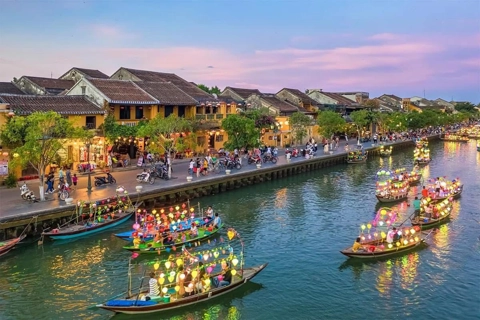
With over 40,000 historical and cultural sites, including UNESCO-listed treasures like Hoi An Ancient Town, the Trang An Landscape Complex, and Hue’s royal court music, Vietnam lives and breathes its heritage. Traditional festivals, rooted in folk belief, agricultural rituals, and ancestral worship, continue to connect generations and communities.

The tomb of King Khai Dinh (1885-1925) in Hue Imperial City. Photo: Truong Dinh/ Check In Vietnam
Vietnam’s culinary landscape is another powerful draw. Every region has its own signature flavors, from Hanoi’s smoky bún chả and savory pho to Hue’s spicy beef noodles and the sweet-savory hu tieu of the Mekong Delta.
Local street food stalls, bustling markets, and modern dining spaces have earned global acclaim from Michelin, CNN, and Lonely Planet. The country’s cuisine is now recognized as one of its most iconic exports.
And still, what visitors often remember most is the people. Friendly, proud, and sincere, the Vietnamese welcome strangers like old friends. A small act of kindness, a cup of tea, a helping hand, a heartfelt story, leaves a lasting impression.
"Tourism plays a role far beyond that of a traditional economic sector. It acts as a bridge of friendship, fostering people-to-people diplomacy and promoting cultural exchanges," Hung stated.
Vietnam’s tourism renaissance hasn’t happened by chance. Over the last decade, the country has invested heavily in infrastructure and innovation. New international-standard resorts, upgraded airports, smart tourism technologies, and modern convention centers are enhancing the visitor experience. Destinations like Quang Ninh, Khanh Hoa, and Sapa are evolving into holistic tourism hubs, combining recreation, culture, and sustainability.
This transformation also reflects a deeper shift. From just 250,000 international arrivals in 1990, Vietnam surged to a record-breaking 18 million in 2019. The pandemic paused progress, but it didn’t derail it.
“These results are a testament to the relentless efforts of Vietnam's tourism industry, particularly since the introduction of Doi Moi (Renewal),” said the minister. “Tourism now contributes over 9% of the national GDP.”

The Gong Dance of Ede ethnic minority. Photo: Huy Pham/ The Hanoi Times
Cultural preservation remains at the heart of that growth. In Hanoi, the ancient walls of the Thang Long Imperial Citadel stand as a symbol of resilience and pride.
In Hue, the mausoleums of the Nguyen emperors offer a glimpse into a regal past. In the Central Highlands, the Gong Culture Festival fills the air with sacred rhythm, while in Sapa, the Love Market brings ethnic Mong and Dao communities together in a colorful celebration of tradition and courtship.
With 54 ethnic groups across the country, Vietnam’s cultural tapestry is both intricate and inclusive. Each group contributes customs, crafts, music, and dance that give Vietnam its unique cultural harmony. The graceful Xoe dance of the Thai people, rituals tied to rice cultivation, and spiritual ceremonies in ancient temples enrich the travel experience with authenticity.
Looking ahead, Hung said the industry must continue to innovate and reform. “With the achievements and experiences gained over the past 65 years, coupled with great determination and responsibility, I believe the tourism industry will fully realize its potential.”
It will serve as a bridge connecting Vietnam with the world, while improving quality of life, preserving cultural heritage, and elevating our image internationally.”
For travelers seeking more than a snapshot, Vietnam offers something deeper. A journey here means meeting history face-to-face, tasting the landscape on a plate, and hearing centuries of stories in a single drumbeat or smile.
|
Hanoi to launch new products as visitor numbers surge Hanoi is set to roll out a series of cultural festivals and new tourism products in a bid to strengthen its appeal to both domestic and international travelers, the city’s tourism authority announced. Among the highlights are the 2025 Hanoi Beverage Festival and the Hanoi Cuisine and Craft Village Tourism Festival, two major events aimed at showcasing the capital’s unique gastronomic and cultural heritage. “In coordination with local governments following administrative restructuring, we will also launch new tourism products under the theme ‘Hanoi Tourism – The Convergence of Quintessence 2025’,” said Dang Huong Giang, Director of the Hanoi Department of Tourism. The new offerings will include agricultural and rural tourism experiences, night tours, golf tourism, and community-based travel centered on ethnic minority culture and traditions. Special activities are also planned this July to commemorate two key milestones, including the 55th anniversary of Vietnam’s tourism industry (July 9, 1960–2025) and the 10th anniversary of the reestablishment of the Hanoi Department of Tourism (July 28, 2015–2025). The announcement comes as Hanoi continues to post strong tourism growth. During this period, Hanoi welcomed 15.56 million visitors, up 11.8% year-on-year, including 3.66 million international visitors, an increase of 22%. Total tourism revenue is estimated at VND62.4 trillion (US$2.49 billion), up 15%. Looking ahead, the department said it will advise the city government on upgrading the management and promotion of key cultural and heritage sites, including the Huong Son Complex (Perfume Pagoda) in My Duc District. Plans also include organizing a tourism site inspection tour and a travel business networking conference, as well as accelerating digital transformation initiatives within the tourism sector. Hanoi has set a target of attracting 31 million visitors in 2025, including 7.5 million international arrivals. The city aims to generate tourism revenue of VND130 trillion (US$4.97 billion) by the end of the year. |