14TH NATIONAL CONGRESS OF THE COMMUNIST PARTY OF VIETNAM
Log in
Vietnam

Vietnam should adopt neutral monetary policy

Using monetary policy to stimulate demand in the case of Vietnam could cause inflation, said an economist.

Vietnam should maintain a neutral monetary policy and focus on ensuring the liquidity of the banking system, according to Dinh Tuan Minh, director of Market Solutions Research Center for Social and Economic Issues (MASSEI).

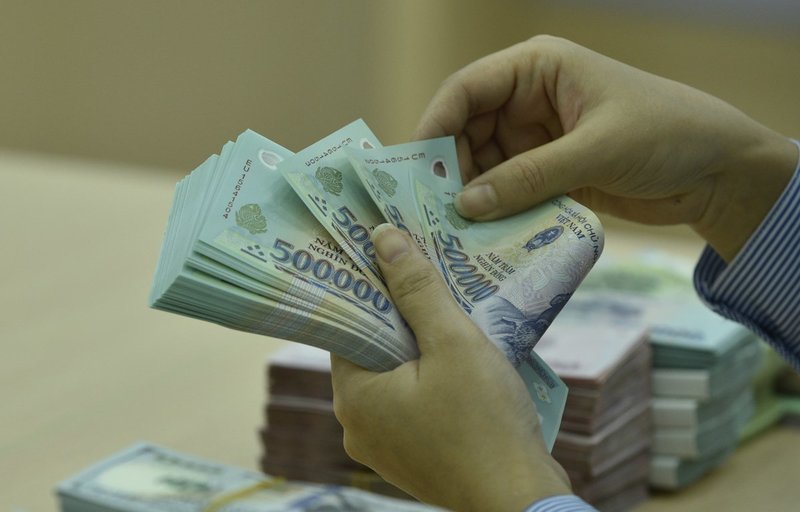
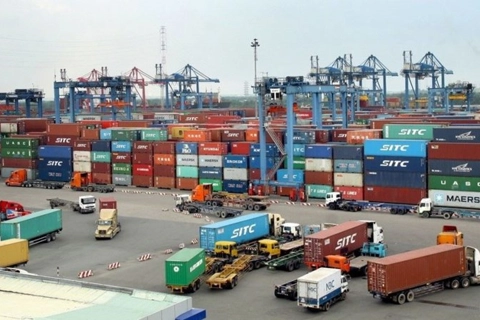
 Illustrative photo. Source: Vietnam+. 

For example, when commercial banks or the banking sector fall short of liquidity, the State Bank of Vietnam (SBV) could lower interest rates to inject money into the economy, which is different from supporting policies to expand credit growth, Minh told Tri Thuc Tre in an interview.

Each bank should decide on their own credit support packages depending on their capabilities, and this is the SBV’s point of view, added Minh.

Meanwhile, inefficient management of monetary policy could cause inflation, said Minh, adding the Vietnamese economy is very different from developed ones such as the US, Japan or Europe.

According to Minh, domestic consumption is a major driver of economic growth and is the main reason for these countries to use monetary easing to boost demand.

Meanwhile, Vietnam’s economy has a high level of openness with imports and exports almost doubling GDP, while domestic consumption plays a less influential role compared to other countries.

“Using the monetary policy to stimulate demand in the case of Vietnam could cause inflation,” Minh told Tri Thuc Tre, referring to years ago when inflation spiked as the result of the government’s pumping money into the economy.

Minh said the government’s deployment of a credit package worth VND250 trillion (US$10.86 billion) and a fiscal stimulus package of VND30 trillion (US$1.3 billion) for enterprises is more of indirect support as they come in the forms of lowering and waiving of interest rates, delay of payment of taxes and fees.

Moreover, this is not the right time for the government to provide direct support for a specific economic group, which Minh considers a short-term solution and make enterprises more reliable on the government’s aid.

The government’s main responsibilities are to contain the epidemic and minimize its impacts on the society and the economy, but not to intervene in issues that the economy can solve by itself, Minh stressed.
Reactions:
Share:
Trending
Most Viewed
Related news
Vietnam breaks ground on first semiconductor chip plant in Hanoi

Vietnam breaks ground on first semiconductor chip plant in Hanoi

The facility will provide semiconductor products for high-value industries including aerospace, telecommunications, the Internet of Things (IoT), automotive manufacturing, medical devices and industrial automation.

Photo book collection captures Vietnam’s journey through renewal, identity and happiness

Photo book collection captures Vietnam’s journey through renewal, identity and happiness

The book invites readers to discover Vietnam as a layered and living tapestry, shaped by ordinary moments that reveal quiet beauty, social harmony and human warmth.

Exhibitions trace Party history and President Ho Chi Minh's legacy 

Exhibitions trace Party history and President Ho Chi Minh's legacy 

A series of exhibitions in Hanoi is bringing together rare documents, images and artefacts to trace the revolutionary path of Vietnam, honoring the leadership of the Communist Party of Vietnam and the enduring legacy of President Ho Chi Minh.

Prime Minister sets vision for a humane ASEAN digital future

Prime Minister sets vision for a humane ASEAN digital future

Vietnam is hosting a series of ASEAN digital cooperation meetings and activities from January 12 to 16, aimed at reviewing the implementation of ASEAN digital frameworks and shaping future priorities to build a safe, trusted, inclusive and resilient ASEAN digital space.

Vietnam resilience will drive nation to new successes: Deputy Prime Minister

Vietnam resilience will drive nation to new successes: Deputy Prime Minister

The 13th Party Congress term began with unprecedented challenges that tested the resolve of the Party, the State and the people, yet it also created the conditions for Vietnam to move confidently into a new stage of development.

Net-zero emissions by 2050: Vietnam’s action-driven commitment

Net-zero emissions by 2050: Vietnam’s action-driven commitment

Digital transformation opens new livelihoods for Vietnam’s ethnic minority women

Digital transformation opens new livelihoods for Vietnam’s ethnic minority women

Today in the Muong Hoa Valley, women who once sold goods along tourist roadsides are now driving a livelihood model that blends tradition with innovation, turning cultural heritage into income and joining Vietnam’s digital transformation.

14th Party Congress ushers Vietnam into new era of transformation

14th Party Congress ushers Vietnam into new era of transformation

Vietnam is preparing for a landmark Party Congress that leaders say will define the country’s strategic direction as it enters a new phase of development amid global uncertainty.