Vietnam’s economy urged to rely on internal strengths to weather global uncertainties: ADB
Given the overall 6% growth projection for the year, the 5.7% growth in Q1 is positive as Vietnam tends to see an upward growth trend in the coming quarters and throughout the year.
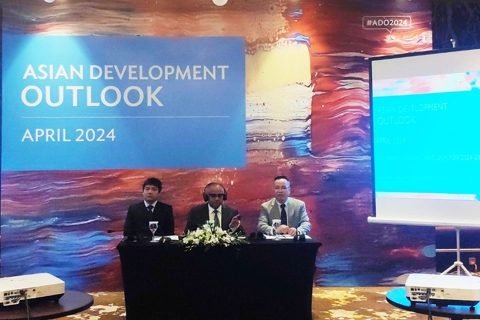
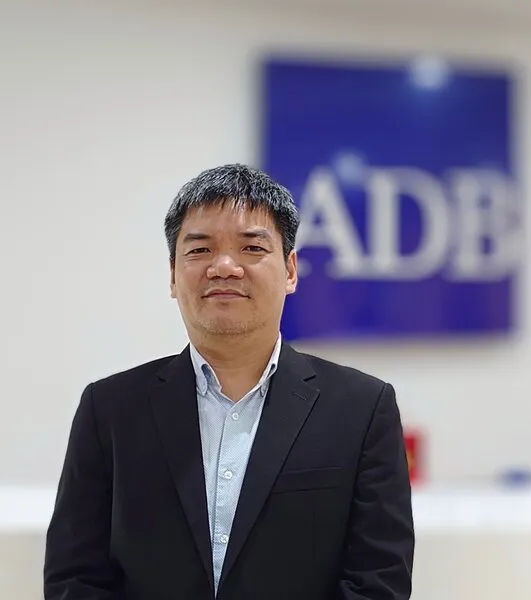
ADB's Principal Country Economist Nguyen Ba Hung told The Hanoi Times of his views on Vietnam’s economic prospects and factors driving the country forward in uncertain times.
| ADB's Principal Country Economist Nguyen Ba Hung. |
Vietnam's economy recorded a growth rate of 5.7% in the first quarter. What factors in the economy contributed to this growth? What is your view on the ADB's forecast of 6% growth for Vietnam in 2024?
In past first quarter of this year, the recovery in trade stood out, leading to growth in industrial production which supported exports. Another important aspect was the maintenance of domestic demand, which contributed to the 5.7% GDP growth in the first quarter.
The forecast of 6% growth for 2024 by the ADB is optimistic but also cautious due to the unpredictable international environment. Given the overall 6% growth projection for the year, the 5.7% growth in Q1 is positive as Vietnam tends to see an upward growth trend in the coming quarters and throughout the year.
In particular, the growth in Q1 aligns with this trend and represents a significant improvement on last year's Q1 growth of just 3%.
The challenging global economic climate, which is expected to persist, will continue to weigh on Vietnam's growth. In addition, unpredictable geopolitical changes can have a major impact on the global, regional, and Vietnamese economies. These are risk factors that need to be monitored.
In an uncertain context, Vietnam can focus on domestic measures within its control, such as stimulating domestic demand and encouraging private investment through fiscal policies such as promoting public investment and fiscal measures. These are tools to stimulate growth, but their scale should be carefully considered by the government.
Overall, if conditions remain stable without major disruptions, Vietnam's GDP could potentially achieve 6% growth.
FDI into Vietnam is on the rise. How do you assess its prospects, and what factors could help Vietnam compete with other Southeast Asian countries in attracting investment in new sectors such as semiconductors?
Long-term investment trends are more important than short-term fluctuations. One of the advantages of FDI is that investors’ commitments are typically medium- to long-term. The first quarter of 2024 continues the positive trend of the previous years, indicating an overall shift in FDI activity. This trend includes a gradual shift away from China towards Southeast Asian countries, with Vietnam emerging as a key option.
Vietnam needs to assess its appeal relative to the region, as other countries in Southeast Asia are also restructuring to attract new investment flows. Vietnam therefore needs to put more effort into its internal transformation processes. At the same time, the country needs to implement specific measures to maintain its FDI appeal to achieve medium- and long-term results.
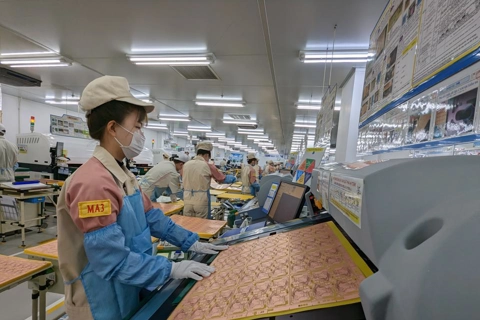
| Production of electronic products at Hoa Lac Hi-tech Park. Photo: Thanh Hai/The Hanoi Times |
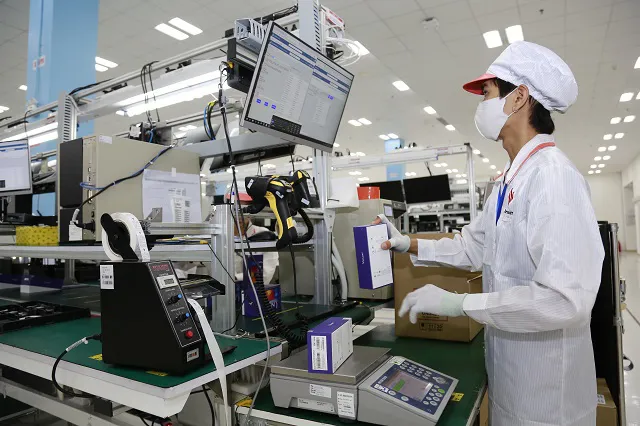
Attracting FDI in the semiconductor sector is gaining attention. Key factors in this industry include a skilled and quality workforce, as well as transportation and energy infrastructure. Vietnam needs to excel in these areas to remain competitive. Compared to other countries in the region, such as Malaysia or Singapore, Vietnam needs to improve its infrastructure to compete effectively.
In terms of policy tools and incentives, Vietnam lacks the investment incentives provided by countries such as Malaysia and India, which offer commitments to investors and thus attract more FDI.
Instead of relying on direct support tools, Vietnam should focus on investing in infrastructure and renewable energy. This approach would maintain energy security while boosting the proportion of renewable energy. Many corporations have specific goals for green growth, such as a certain percentage of renewable energy in their operations. If a country can help them meet these goals, it becomes a more attractive investment destination.
Attracting FDI, especially high-quality FDI, requires a comprehensive approach. Vietnam's investment attraction trend is positive, but the country is still making use of its existing resources and should consider exploring new initiatives to enhance its competitiveness.
The global economy has not yet shown the expected improvement. What opportunities can Vietnam take advantage of?
Vietnam's export structure is primarily aligned with positive global trade trends, including electronics and agricultural products. These sectors can benefit from global market fluctuations, as being a food exporter is advantageous for Vietnam. Demand for electronics is rising due to the increasing application of AI, and Vietnam's participation in the electronics manufacturing chain is part of a broader regional and global trend. This foundation has contributed to the recovery of Vietnam's trade and industrial production in the first quarter.
In contrast, products such as apparel and footwear may experience slower demand due to economic challenges in high-income markets, where recovery may not be as swift as in the electronics sector. Vietnam's trade structure presents both opportunities and challenges. By shifting its trade structure to increase the value-added of its participation in electronics supply chains, Vietnam can improve its position. However, remaining outside value chains and being affected by difficulties in industries such as textiles and footwear could slow down growth.
Thank you for your time!