Amended Capital Law fuels Hanoi’s high-tech development ambitions
Granting Hanoi autonomy in developing hi-tech zones reduces bureaucracy and ensures efficient implementation for the city's development.
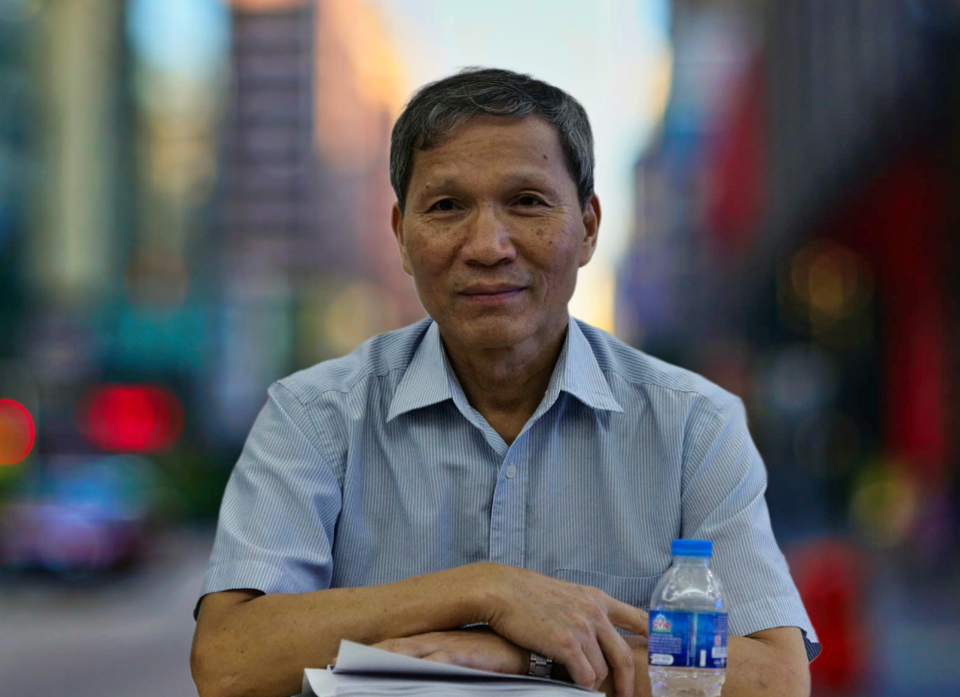
Former Vice Director of the Vietnam Industry and Trade Information Center under the Ministry of Industry and Trade, Le Quoc Phuong told The Hanoi Times about the groundbreaking legal policies that the amended Capital Law will bring to promote investment in Hanoi's hi-tech zones.
| Former Vice Director of the Vietnam Industry and Trade Information Center Le Quoc Phuong. |
What are the prospects for the development of high-tech zones under the amended Capital Law, which gives the Hanoi People's Committee jurisdiction over them?
Over the past two decades, the establishment of high-tech zones has largely attracted domestic and foreign investors, effectively combining production with research, technology transfer, and high-tech workforce development. However, their development has resulted in low occupancy rates primarily due to a weak legal foundation for management, an inability to keep pace with the rapid development of hi-tech zones, and time-consuming administrative hurdles.
Projects in hi-tech zones must meet stringent criteria in terms of technology, products, and regulations, which are subject to lengthy approval processes. There is also a lack of special incentives to attract highly skilled professionals to work in hi-tech zones.
Therefore, the amended Capital Law, which gives Hanoi's People's Committee the power to establish, adjust, and expand hi-tech zone boundaries in the city, presents a very favorable condition and opens a new era for hi-tech zones in Hanoi. It addresses the current difficulties and challenges faced by hi-tech zones.
| The design of the Hoa Lac Hi-tech Park. |
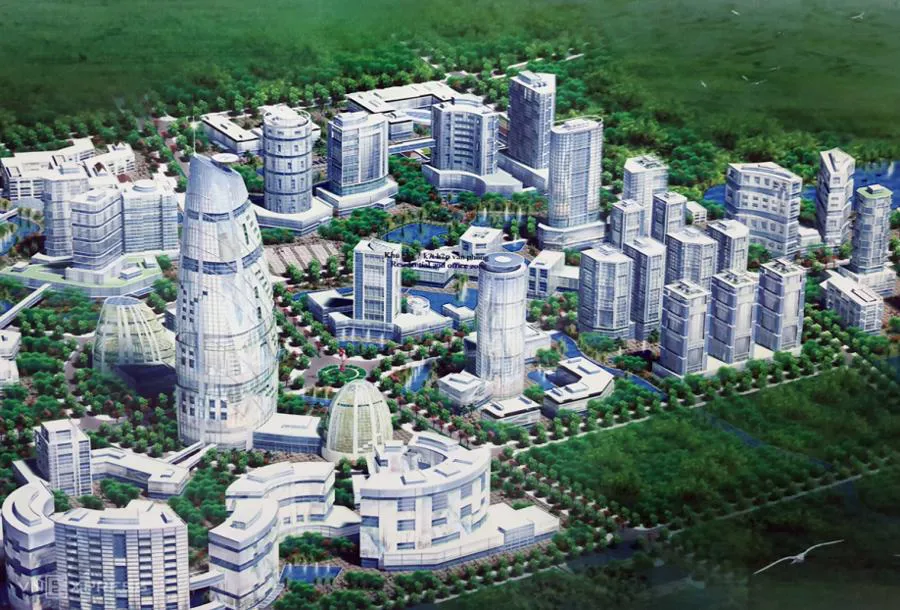
I highly appreciate the provisions in Article 24 of the Capital Law amendment. Granting Hanoi autonomy in developing hi-tech zones allows the city to make decisions that best suit the capital city's development requirements.
The additional provisions provide even more opportunities and advantages for hi-tech zone development, particularly those on the allocation of city budget to support hi-tech zones, especially rental dormitories for workers. Additionally, more special incentives and support policies will greatly enhance the local investment attractiveness.
What do you recommend for Hanoi's better development of hi-tech zones based on the amended Capital Law?
I believe that delegating the power to develop high-tech zones presents both an opportunity and a significant responsibility for the city government. This is clearly a new task, and the city lacks experience in managing such operations. Exercising this power is a big challenge.
Therefore, the city needs to take decisive actions to maximize the benefits of the specialized mechanisms outlined in the Law, resolving barriers and leveraging existing advantages of the hi-tech zones. It's crucial to prioritize which sectors to focus on. Additionally, clear timelines and responsibilities must be established for relevant agencies to ensure the Law achieves practical effectiveness upon enactment.
In addition, the city government must first assess the current favorable conditions and challenges of the high-tech zones. Urgently organizing a team of competent managers and work towards the amended Capital Law are essential steps.
With this amended Capital Law, Hanoi needs to accelerate and intensify efforts to transform its high-tech zones into beacons of economic development for both the city and the nation. By effectively utilizing its newfound powers, especially in attracting high-quality investments and large corporations, Hanoi can facilitate the strong development of its high-tech zones.
| The design of the National Innovation Center at the Hoa Lac Hi-Tech Park. |
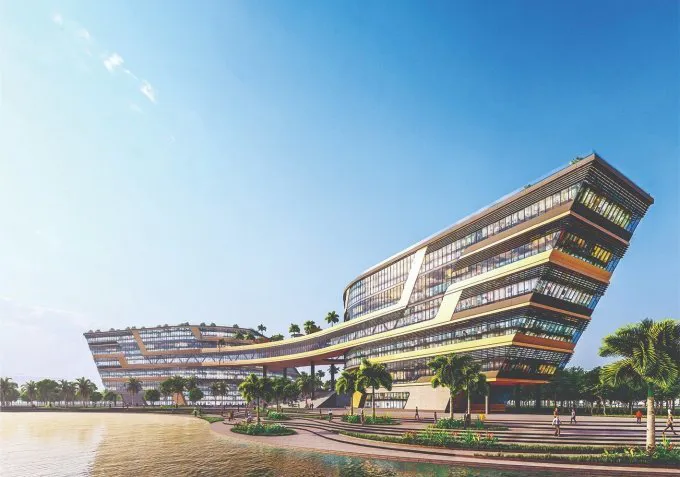
The amended Capital Law outlines clear privileges for Hoa Lac Hi-Tech Park. What groundbreaking aspects of the Law do you believe will foster its development?
Hoa Lac Hi-Tech Park is a hub for research, development, testing, and application of high technology, as well as for training high-tech human resources, producing high-tech products, and fostering innovation, which is of key importance to the nation and the capital city. Despite its extensive development over 27 years, including substantial investments and comprehensive transportation infrastructure, Hoa Lac Hi-Tech Park has not fully met expectations. It lacks major global technology giants like Intel, Apple, and NVIDIA, and faces challenges in electricity and telecommunications infrastructure.
The specific incentives for the Hoa Lac Hi-Tech Park in the amended Capital Law highlight its central role in synchronizing hi-tech zone developments across the city. This transition from Ministry of Science and Technology management to municipal oversight aims to accelerate robust scientific and technological growth for the capital and the nation. With greater autonomy, Hoa Lac Hi-Tech Park would proactively attract investments and drive economic development.
The empowerment of the governing board increases operational autonomy. However, challenges persist in implementing these functions due to the lack of specialized legal provisions and insufficient allocated resources.
Moreover, recognizing the Hoa Lac Hi-Tech Park management board as a direct administrative entity under the municipal government signifies a breakthrough, facilitating proactive management. This includes authority over zoning and detailed construction planning within the industrial park and land allocation, leasing, and management, all of which are critical to facilitating comprehensive development projects integrating production, research, residential services, and operational support. However, adherence to approved zoning plans restricts investors' desires for tightly integrated complexes of research, manufacturing, and accommodation.
Hanoi must strategically plan the Hoa Lac Hi-Tech Park as a key district, focusing on developing a smart, sustainable city with modern amenities to attract major investments from high-tech multinationals. Efforts are needed to regulate and enhance comprehensive infrastructure beyond basic utilities like transportation and telecommunications to ensure a livable environment with housing, schools, banks, shops, and recreational facilities.
Resources should be prioritized to upgrade infrastructure and landscaping and create optimal conditions for investors. Specific policies should aim at attracting Foreign Direct Investment (FDI) in high-tech sectors such as semiconductor manufacturing, electronic chip design, AI, biotechnology, and other high-tech services.
Thank you for your time!