Architectural regulations to bring Hanoi into new era
Establishing regulations for Hanoi is critical for preserving and promoting the unique architectural and landscape values of the metropolitan area.
The new regulations on architecture in Hanoi are fully in line with the development orientation of Vietnamese architecture and the real conditions in the capital, and will help Hanoi develop comprehensively in the new era, according to Nguyen Ba Nguyen, Deputy Director of the Hanoi Department of Planning and Architecture.
Effective January 10, 2025, the architectural regulation provides detailed management and control of architecture and landscaping for high-rise buildings (nine or more stories) in the historic downtown area.
The architectural regulation covers the administrative areas of Ba Dinh, Dong Da, Hoan Kiem, Hai Ba Trung (northern part) and Tay Ho (southern part) districts.
It consists of 4 chapters, 17 articles and nine annexes. It provides for the management of architecture in specific areas and streets; defines requirements for cultural identity in architecture; identifies areas requiring special urban design, streets and areas prioritized for renovation, and areas with special management requirements.
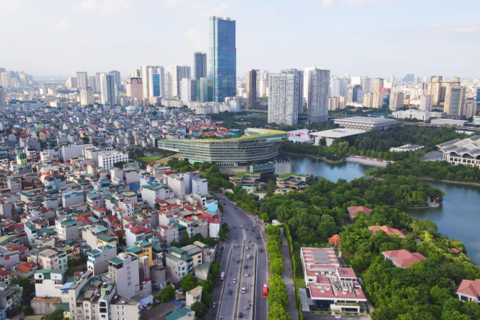
Accordingly, high-rise construction is permitted along ring roads, radial streets, main streets, and urban landmark areas. In other parts of the historic downtown, landmark high-rise buildings are allowed based on specific urban designs approved by the relevant authorities.
Nguyen Ba Nguyen said that the new architectural regulation allows the synchronized development of the city in terms of planning, architecture and landscape. This is a useful tool for the Department of Planning and Architecture in the coming period to advise the Government of Hanoi on the development of a cultural and modern city.
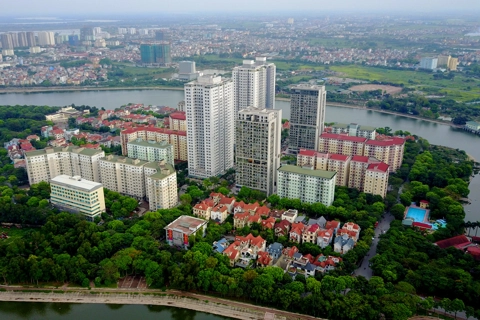
A corner of Hanoi seen from above. Photo: Pham Hung/The Hanoi Times |

"Compared to previous regulations, the new one ensures that new development goes hand in hand with the preservation, conservation, and promotion of traditional values of architectural works and the preservation of the city's cultural identities. Architectural management will harmoniously combine the interests of the nation, the community, and the rights of organizations and individuals," he added.
The Deputy Director emphasized that the new regulation has specifically updated the relevant contents in a selective manner, ensuring that the Old Quarter, Thang Long Imperial Citadel, Co Loa Citadel, and Ba Dinh District, the political heart of the country, will all be managed as special zones.
Architect Pham Hoang Phuong of the National Institute of Architecture emphasized that architectural regulation is a critical factor in managing, preserving, and promoting the unique architectural and landscape values of the urban area.
"The approval of the Hanoi Architectural Management Regulation by the Hanoi People's Council at its 17th session marks a decisive step forward in realizing the city's vision in its new phase of development," said Phuong.
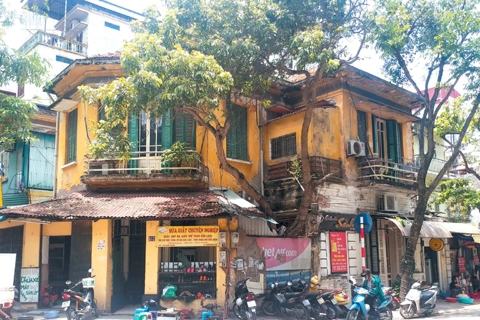
One of the key issues is the recognition of Hanoi's inherent architectural and cultural heritage values, especially the system of unclassified architectural structures with urban identity that are showing signs of decay and are at risk of being abandoned. "This task requires meticulous and systematic implementation, involving both experts and the community," Phuong said.
Dam Van Huan, Head of the Urban Committee of the Hanoi People's Council, pointed out that the new regulation emphasizes the preservation of land reserves for the development of parks, green corridors, and urban green spaces.
"The architectural regulation has taken into account the characteristics and peculiarities of each area, customs, traditions and cultural heritage. Construction projects must be tightly managed and coherent in terms of architecture and landscape, ensuring efficient functionality, aesthetics, safety, and harmony with the surrounding context," Huan stressed.
Nguyen Trong Ky Anh, Director of Hanoi's Department of Planning and Architecture, said the regulation will address shortcomings identified during the nine years of implementation of the General Regulation on Planning and Architectural Management.
Dao Ngoc Nghiem, Vice President of the Vietnam Urban Planning and Development Association, said Hanoi's new architectural regulation has clearly defined the types of work and specified areas.
"Hanoi should continue to have specific instructions on the role of community supervision, to carry out the given guidance smoothly. It also needs to pay special attention to communicating the regulations widely to the people, not just to the management agency," Nghiem said.