Central bank tasked with housing credit plan for young homebuyers
Vietnam has made efforts to support social housing and affordable homes for people under 35 and low-income earners.
THE HANOI TIMES — The Vietnamese government has directed the State Bank of Vietnam (SBV) to develop a housing credit package for young homebuyers.
This directive is outlined in Notice No. 294/TB-VPCP dated June 9, 2025, which summarizes the conclusions from a recent Government Standing Committee meeting regarding the real estate market.
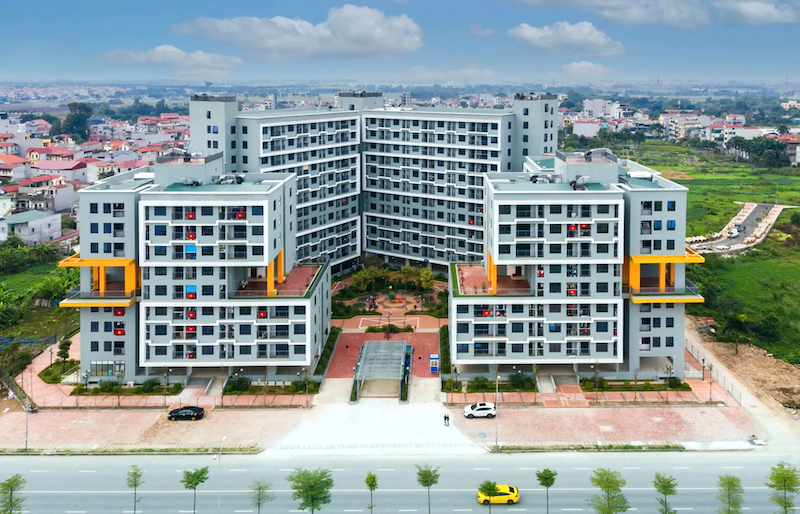
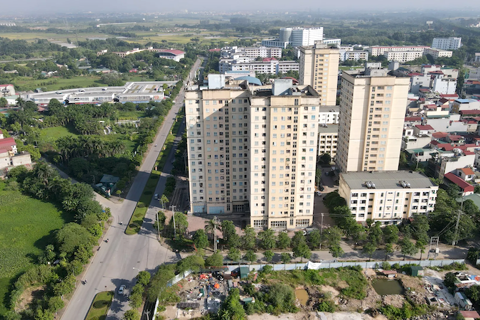
A social housing project in Kim Chung Commune, Dong Anh District, Hanoi. Photo: Kinh te & Do thi Newspaper
This decision comes amid an ongoing imbalance between housing supply and demand, which particularly affects young people and workers. While luxury villas and low-rise homes are plentiful, affordable housing options are scarce. Speculation and market manipulation continue to distort prices.
This is not the first time the government has called on the SBV to design a housing credit program for young buyers.
At a meeting in February with commercial banks, Prime Minister Pham Minh Chinh urged the central bank and financial institutions to explore preferential lending packages for housing supply and demand. He emphasized his support for social housing and affordable homes for people under 35 and low-income groups.
Following the prime minister’s directive, several banks have introduced subsidized loan programs. However, rising housing prices continue to outpace affordability, and interest support measures have yet to significantly ease the path to homeownership for young people.
In the latest directive, the government urged the SBV to direct banks to lend primarily to commercial housing projects offering reasonable prices. This is intended to boost credit growth and contribute to the national goal of 8% GDP growth in 2025.
The SBV is expected to streamline procedures and lending conditions to improve access to credit for individuals and businesses, all while preventing corruption and misconduct.
The central bank has been tasked with closely supervising the rollout of the VND120 trillion (US$4.6 billion) credit program and evaluating the feasibility of a medium-term lending package with stable interest rates for affordable housing projects.
Additionally, the government requested that banks thoroughly review loans backed by real estate collateral, ensure objective asset valuations, and strictly manage credit risks. Those found complicit in price manipulation or inflating market levels will face strict penalties.
The government has also asked ministries, sectors, and localities to draft policies that support homebuyers with genuine demand, especially young people, to help more citizens exercise their constitutional right to housing.
Curb property price hikes, boost supply
Agencies and localities are asked to urgently identify the primary factors contributing to escalating real estate prices, with the aim of fostering a more equitable and accessible housing market that aligns with national income levels. This directive aims to improve public access to housing and increase the overall supply.
Authorities are instructed to crack down on individuals and organizations that abuse land auctions to inflate land prices.
To broaden market access and reduce housing costs, government bodies are encouraged to promote a more diverse range of real estate projects across multiple segments and product types to enhance affordability and expand supply.
Local governments are urged to review regulations related to investment policy approvals, design assessments, construction permits, and final inspections.
The goal is to streamline processes, boost transparency, reduce pre-construction expenses, and reinforce post-construction oversight.
The Ministry of Construction, together with the Ministry of Agriculture and Environment, must review housing and real estate regulations and propose updates to cut red tape and outdated rules and submit a report this month.
In addition, ministries are required to closely monitor and guide localities to accelerate urban planning efforts, ensure land availability, and prioritize the development of housing projects, particularly affordable housing in urban and industrial zones.