Cu Da Ancient Village: A journey through time on Hanoi’s outskirts
Revered for its well-preserved architecture and deep-rooted traditions, Cu Da offers a rare glimpse into the soul of Vietnam’s Northern Delta, where centuries-old cultural values and architectural heritage continue to thrive.
THE HANOI TIMES — Nestled just 20 kilometers west of Hanoi’s bustling center lies Cu Da Ancient Village, a museum that preserves the ancient architectural features of a craft village on the outskirts of Hanoi.
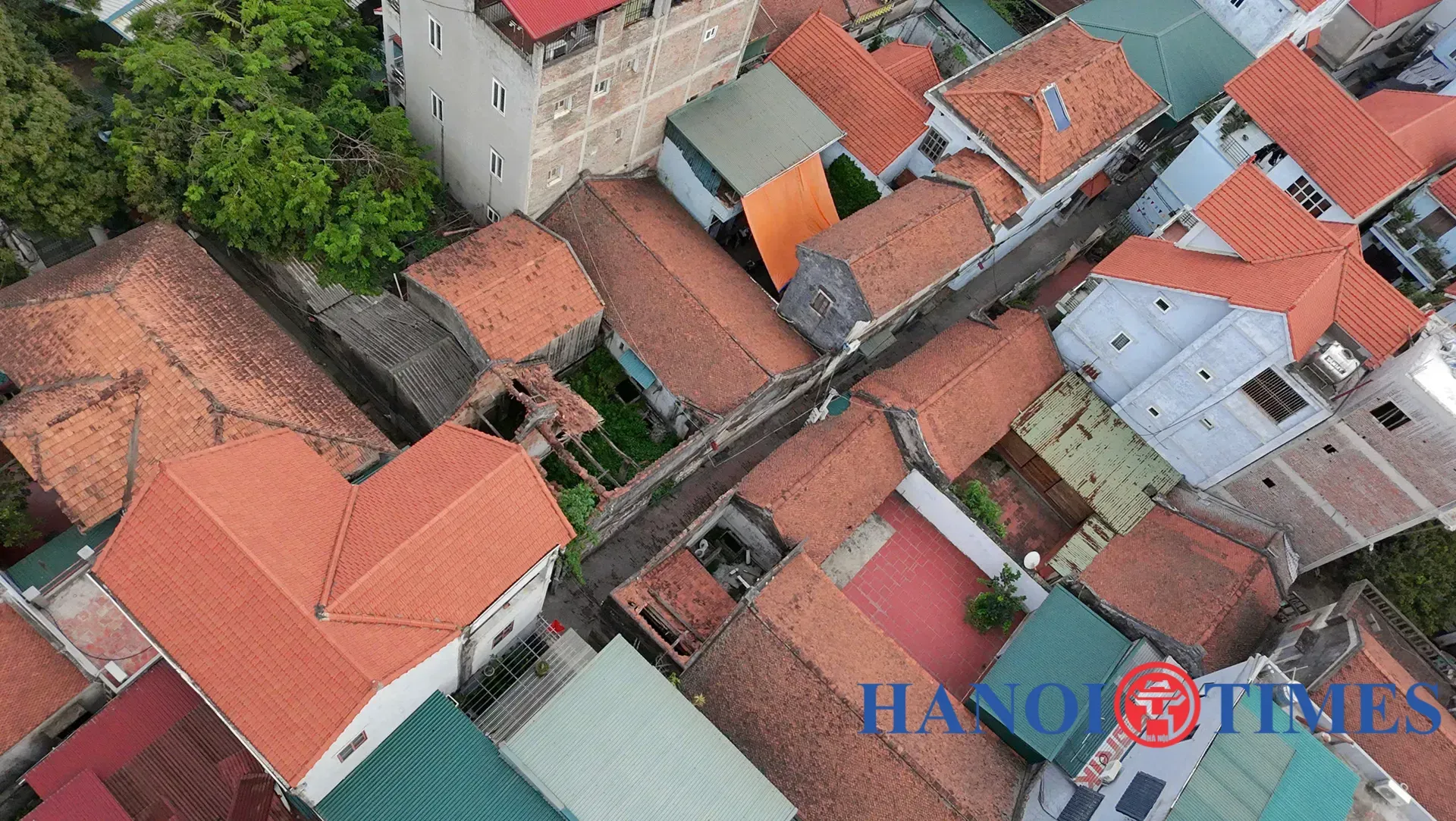
The village features more than 50 traditional Vietnamese houses, some nearly 200 years old, built in the distinctive architectural style of the Northern Delta. Visitors can explore charming three- and five-compartment wooden homes that reflect a design philosophy rooted in harmony with nature and communal living.
Adding to the village’s allure are elegant two-storey French colonial villas, built during the late 19th and early 20th centuries. Their yellow walls, arched windows, and tiled roofs reflect a period of prosperity when Cu Da thrived as a trading hub, earning it the nickname “the entrepreneur village.”
Unlike most traditional villages, Cu Da is uniquely urban in its layout, where houses are numbered, lanes have signposts, and the brick-paved roads follow a distinctive running bond pattern that features almost unheard of in rural Vietnam .

Nestled along the banks of the Nhue River, Cu Da Ancient Village preserves a rich legacy of centuries-old heritage.

The old village features nearly 50 historic houses showcasing a unique fusion of Eastern and Western architectural styles.

Time seems to slow down here, allowing visitors to immerse themselves in the quiet rhythm of village life.
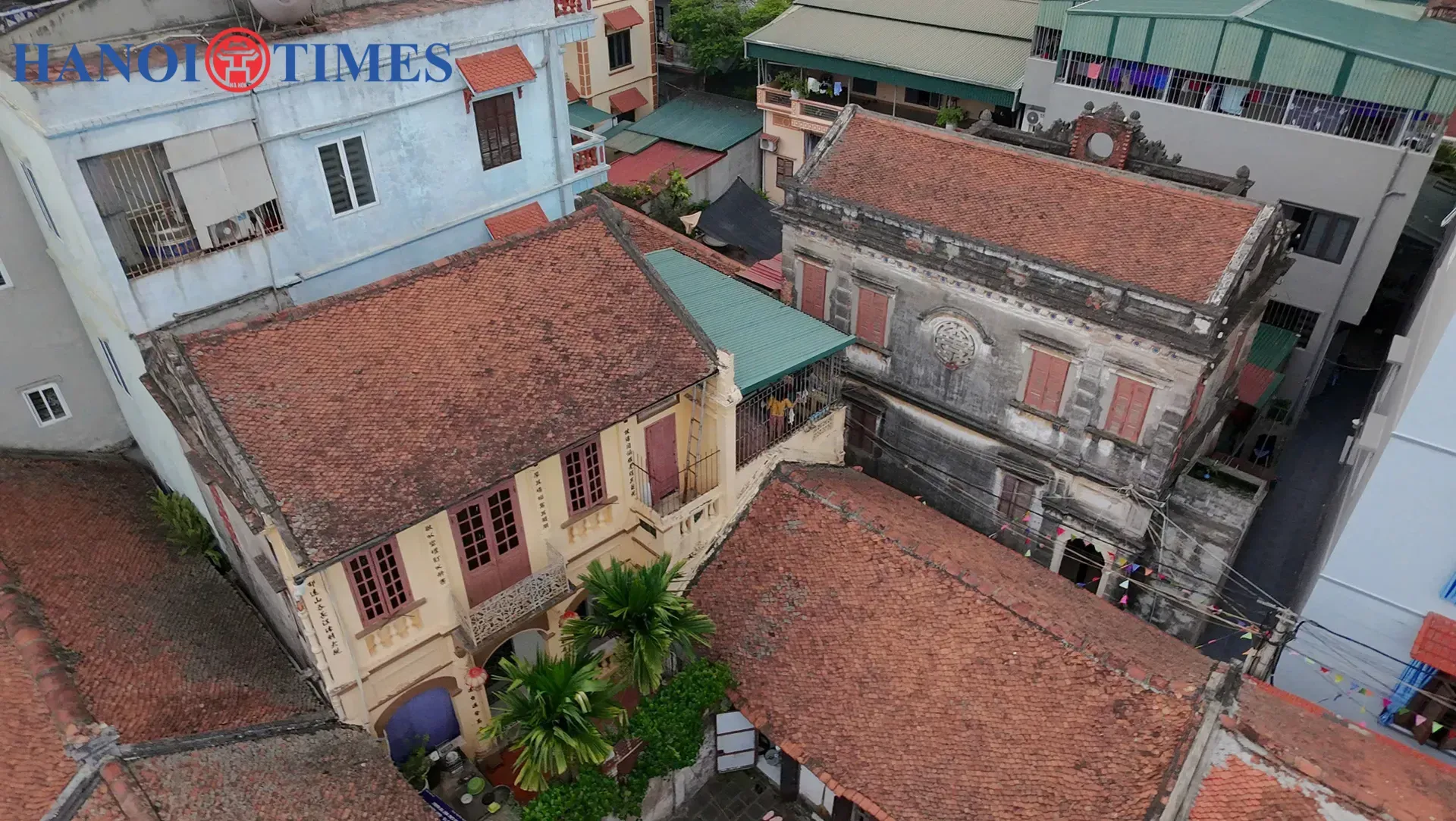
Cu Da's architectural wealth extends beyond homes.

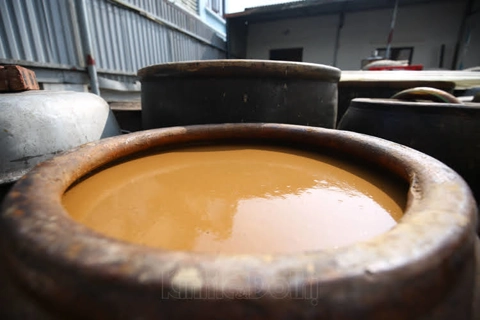
Cu Da is a living craft village where locals proudly keep two traditional specialties: tuong ban (soy sauce) and mien dong (glass noodles).

Its ancient village gates, communal house with fish-scale roofs, centuries-old pagoda, and towering shade trees all combine to preserve the tranquil atmosphere of a bygone era.

According to village elders, Cu Da was founded as early as the 4th century.

However, it was in the 1920s that a wave of prosperity swept through the village, as prominent entrepreneurs who were owners of textile mills, shops, and major transport companies in Hanoi, introduced French architectural influences that still grace Cu Da today.
For travelers seeking authenticity, Cu Da Ancient Village is a compelling destination.