Foreign affairs a cornerstone for peace and growth at 14th National Party Congress
As Vietnam enters a new development period following the 14th National Congress of the Communist Party of Vietnam, the country is setting out long-term orientations for growth and national advancement.
THE HANOI TIMES — On the sidelines of the 14th National Congress of the Communist Party of Vietnam (14th National Party Congress), Vietnamese Ambassador to the Russian Federation Dang Minh Khoi reaffirmed strong confidence in the Party’s line and emphasized the central role of foreign affairs in maintaining peace, mobilizing external resources and broadening the country’s development space.
He speaks to the Vietnam News Agency about perspectives from within the Congress on the evolving role of foreign affairs.
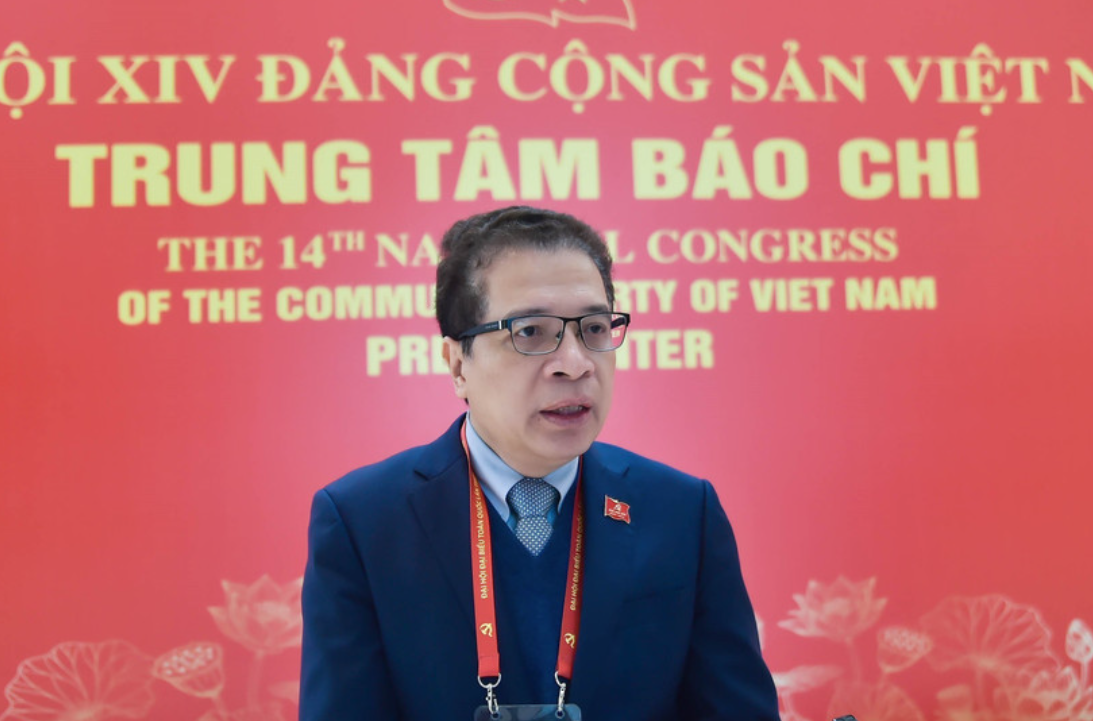
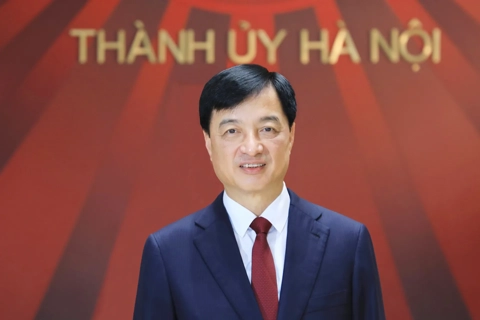
Vietnamese Ambassador to the Russian Federation Dang Minh Khoi. Photo: Vietnam News Agency
How do you perceive the atmosphere of the 14th National Party Congress as a highly important event ushering the country into a new era of development and national advancement?
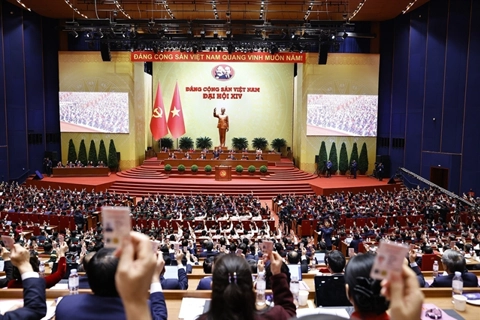
For me, as well as for all delegates attending the 14th National Party Congress, the prevailing sentiments are honor, pride and firm confidence in the Party’s leadership. It is an honor to participate in a Congress of historic significance, held at a critical juncture as the country prepares to elect new leadership to guide Vietnam into a new development phase.
The Congress takes place at a time when Vietnam has recorded notable achievements across the economy, politics, society, national defense and security. The country’s overall strength and international standing have risen markedly. Congress documents provide thorough analysis and clear orientations to ensure faster and stronger development in the coming period, giving delegates a strong sense of pride.
Another widely shared sentiment is strong confidence in the Party’s line. This Congress reviews more than 40 years of Doi Moi (Renewal) while setting long-term directions for future development, as clearly articulated by Party General Secretary To Lam in the Political Report.
We firmly believe that under the leadership of the 14th-term Central Committee, Politburo and Secretariat, the entire Party, people and armed forces will successfully fulfill the goals and tasks set by the Congress.
In line with the spirit of the 14th National Party Congress, foreign affairs are identified as a “key and ongoing” task, alongside national defense and security. How do you assess this designation?
Since the country’s founding, the Party and the State have consistently attached great importance to foreign affairs. Across Party Congresses, diplomacy has always held a position that reflects its role. Over the past 80 years, especially in recent decades, foreign affairs have made major contributions to national development.
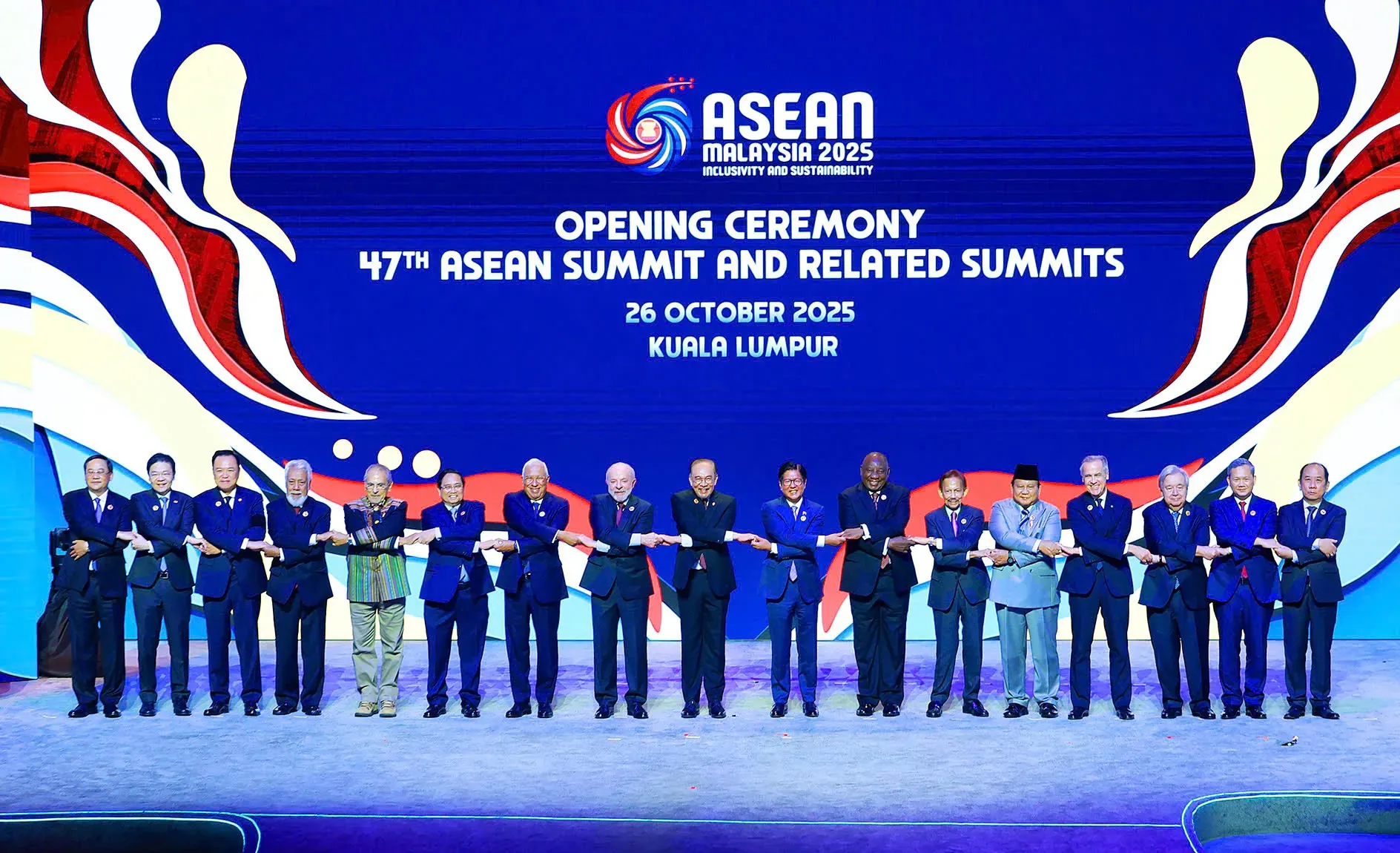
Prime Minister Pham Minh Chinh (sixth from left) and high-ranking delegates attend the 47th ASEAN Summit and Related Summits in Malaysia's Kuala Lumpur in late October 2025. Photo: VGP
In the early years of nation-building, President Ho Chi Minh served as Vietnam’s first Minister of Foreign Affairs during a period of immense hardship. Under his leadership, diplomacy achieved important results that helped the country overcome initial challenges. Foreign affairs also contributed to key milestones such as the Geneva Agreement in 1954, the Paris Agreement in 1973 and efforts to break out of isolation and embargoes.
During 40 years of renewal, diplomacy helped open development pathways across sectors. In the current period and particularly at this Congress, a central task is to help maintain a peaceful and stable international environment so the country can focus on development.
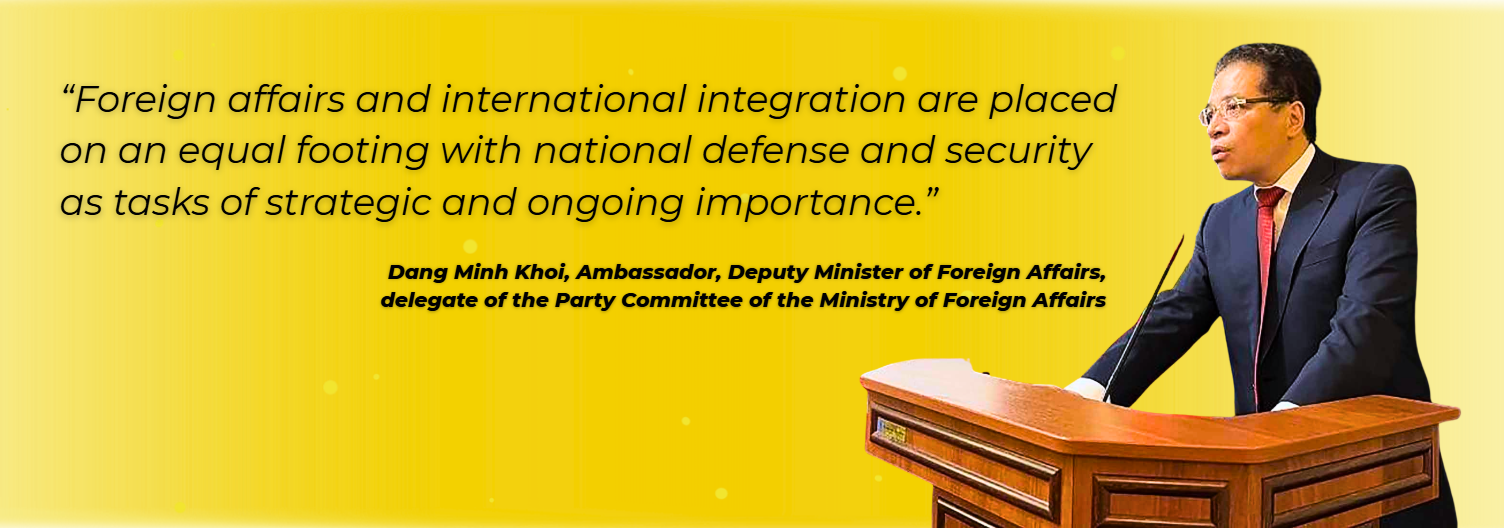
In the draft reports and resolutions, as well as in the Political Report presented by the General Secretary, foreign affairs and international integration stand on equal footing with national defense and security as strategic and ongoing tasks. This reflects a higher level of trust and places greater responsibility on the diplomatic service.
For those working in foreign affairs, these expectations bring demanding requirements. First, the sector must build a diplomatic corps capable of responding to a rapidly changing international environment.
Second, global and regional developments now evolve quickly and with growing complexity. In this context, diplomacy must deliver accurate assessments and timely policy advice to the Politburo and the Central Committee, helping ensure national development proceeds on the right course within a favorable external environment.
Third, to support rapid development in the coming period, including the goal of double-digit growth, foreign affairs must help mobilize external resources, while internal strength remains decisive, to serve socio-economic development. Party General Secretary To Lam has stressed that people’s well-being and happiness represent the highest goal. Achieving this requires strong economic growth and breakthroughs in science and technology, areas where diplomacy plays an increasingly important role.
Fourth, the foreign service must continue to manage relations effectively with neighboring countries, major powers and traditional partners. Trust-building and substantive exchanges remain central to diplomacy, especially as high-level engagement becomes more important. As the advisory body to the Party and the State, the Ministry of Foreign Affairs must further strengthen its policy advisory role.
Finally, diplomacy for development has featured in many Party Congresses, but this Congress places stronger emphasis on science and technology as a new driver of faster and stronger growth. This focus reflects higher expectations and greater responsibility for the diplomatic service.
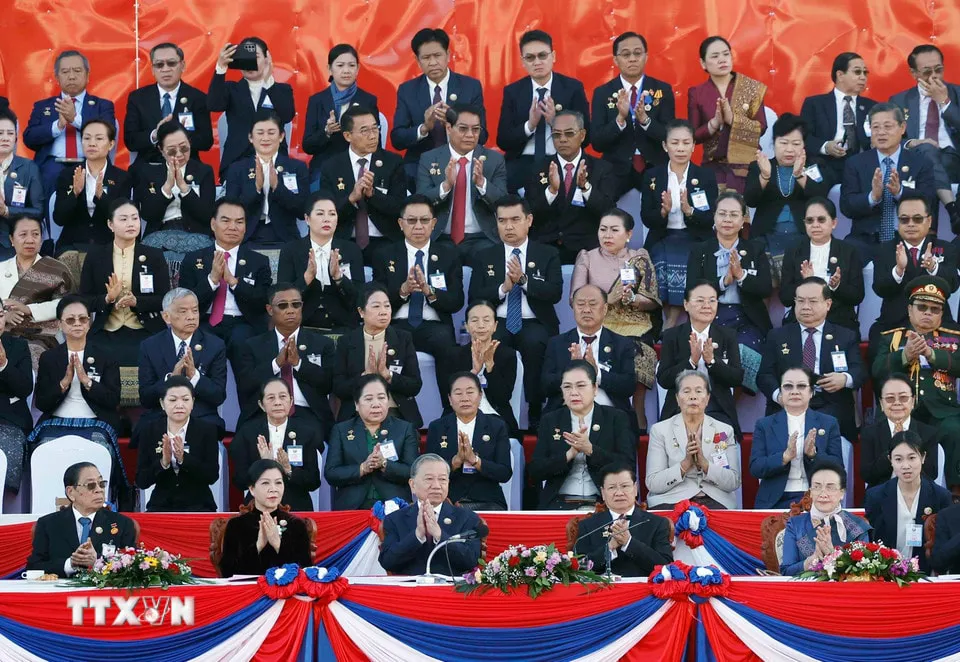
Party General Secretary To Lam (center, front row) attends the 50th anniversary of the National Day of the Lao People’s Democratic Republic, and the 105th birth anniversary of President Kaysone Phomvihane. Photo: Vietnam News Agency
In particular, significant responsibilities rest with ambassadors and heads of Vietnamese representative missions abroad. On the ground, ambassadors must closely monitor developments, provide timely advice, propose initiatives and actively promote bilateral and multilateral relations.
Another key task involves fulfilling the guidance emphasized by Party General Secretary To Lam on ensuring people’s prosperity and happiness. With a large Vietnamese community overseas, embassies and foreign missions must carry out this responsibility effectively, alongside the efforts of the entire Party and society.
During the plenary discussion, Deputy Minister of Foreign Affairs Nguyen Manh Cuong delivered a policy presentation on proactively promoting foreign affairs and international integration. What are your reflections on this presentation?
The presentation reflects the collective thinking of the foreign service and the extensive input of officials who carefully studied, discussed and contributed to the Congress documents.
More importantly, it demonstrates the determination of the entire sector and its clear commitment to the Party and the State to fulfill assigned tasks, especially as foreign affairs now carry the designation of a key and ongoing responsibility.
I am confident that after the Congress, the diplomatic service will promptly internalize and implement the Resolution of the 14th National Party Congress, translating commitments into concrete action.
How do you assess the significance of the Politburo’s Resolution No. 59 on international integration?
Resolution No. 59 holds major significance as it consolidates earlier guidelines on foreign affairs and international integration while updating assessments to reflect current realities.
After more than 40 years of renewal, Vietnam’s role, position and international credibility have improved markedly and many partners now seek deeper cooperation with the country.
The resolution clearly reflects the Party’s consistent foreign policy line, emphasizing that internal strength remains fundamental while international cooperation plays an essential role, aligning national capacity with external engagement.
From my experience working overseas, international partners increasingly value Vietnam’s role and actively seek its participation, especially amid growing global complexity. In this context, the resolution arrives at the right time and provides sound orientations for the period ahead.
Thank you for your time!v