Good construction planning for a sustainable Hanoi, says expert
Good planning could only be made on the basis of socio-economic specifications and a strategic vision.
The capital city needs to adjust its master construction planning matching with a new vision of sustainable development. Chief of Office of the Vietnam Association of Architects Pham Thanh Tung talks with The Hanoi Times about this issue.
| Architect Pham Thanh Tung. Photo: The Hanoi Times |

Hanoi is planning to review and adjust its master construction planning project, which has been implemented under the Government’s Decree No. 1259/QD-TTg since 2011. Could you tell readers of The Hanoi Time about the reason for this adjustment?
The adjustment is relevant to the changes in the laws on Planning and Architecture.
Decree No. 1259 lacks a socio-economic database and investment, especially a long-term vision for the development of Hanoi in the industrialization process and the Fourth Industrial Revolution, or Industry 4.0, with a focus on smart city, digital technologies, and artificial intelligence (AI).
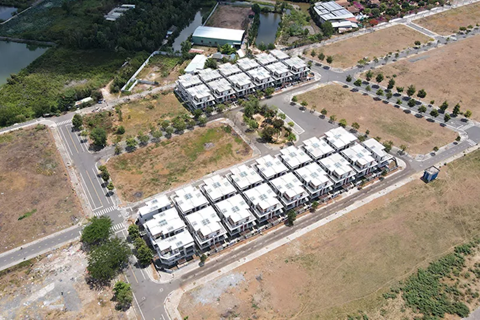
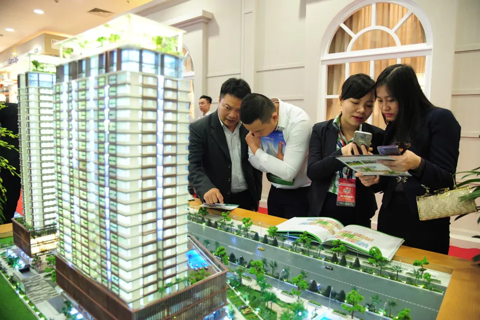
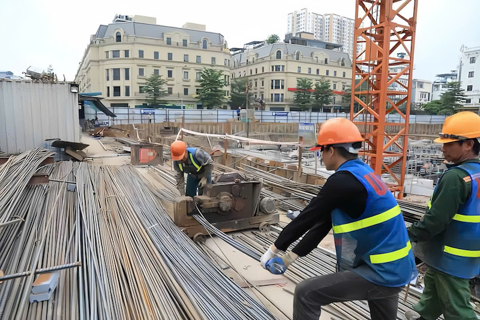
In the past ten years, the implementation of detailed planning, seen as a management tool for the overall planning, has not been conducted effectively, in which the granting of construction license has been loose, leading to disordered and sluggish urban development and being controlled by real estate projects.
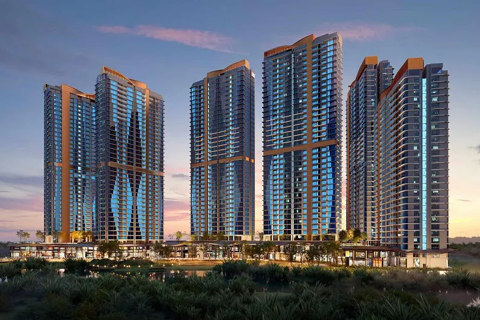
In the inner city, there have been too many high buildings, causing pressure on the population and urban transport infrastructure.
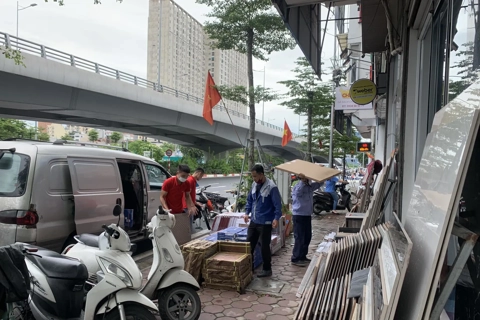
The scattered investment has led to unsystematic development of transport infrastructure network, causing waste and urgent matter in the public as well.
At this time, the adjustment of Hanoi’s planning is needed to be basing on the country’s master planning and integrated with the socio-economic development.
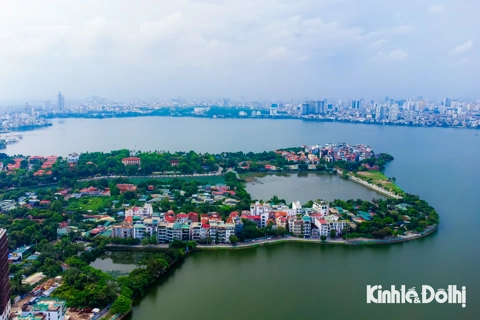
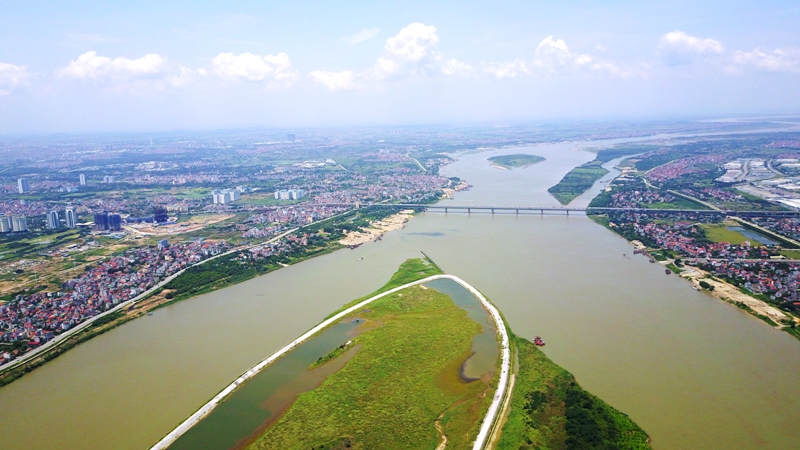
| A section of Hong River in the capital city. Photo: Pham Hung |
What should Hanoi focus on to gain quality planning?
Good planning could only be made on the basis of socio-economic specifications and a strategic vision. Therefore, the data on population, socio-economic development, human resources, land, and environment must be accurately updated by relevant agencies.
From the limitations in planning work in the past time, we need to change our thoughts in this planning adjustment. The revised master planning must prove a new vision, the spirit of telling the truth, doing the truth, moving towards the highest goal of people's happy life and sustainable urban development.
As planned, the capital city will have five satellite areas connecting with the city’s center, including Son Tay, Soc Son, Phu Xuyen, Xuan Mai, and Hoa Lac, however, almost all of these satellite projects have been technical drawing. What do you think about this?
In the past ten years, there was only Hoa Lac satellite area approved by the Government.
This area has had transport infrastructure connecting with the city’s center synchronously and a number of technology corporations and universities. Meanwhile, the four remaining projects have been at a standstill.
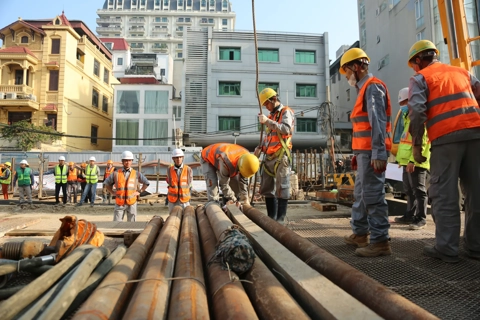
To promote the development of satellite urban areas, Hanoi needs to focus on building infrastructure, especially transport systems linking the city’s center with these satellite areas and other surrounding areas.
This adjustment is also an opportunity for Hanoi to recognize which models should be invested in and which models should be changed. In addition, the satellite urban areas’ government needs a special mechanism to take management.
When the infrastructure system is built in connection with the public transport system, meeting the demand of socio-economic development, the satellite urban areas will catch people’s attention. People will feel happy living in such a healthy environment with modern housing and good jobs.
The city’s Hong (Red) River and Duong sub-division planning projects are yet approved due to some shortcomings. What should Hanoi direct to soon complete these sub-division planning projects, especially the Hong River one?
The Hong River sub-division planning has been designed by the Hanoi Urban Planning Institute, allowing us to think of the appearance of a riverside city in the near future. If the planning is well developed, it will be a decisive factor in creating the face of the capital city in the middle and long term.
As the adjustment is approved, it will be a basis to set up detailed planning, including the use of land on the banks of the river, bidding for the land use right as well as selecting suitable investors – all for the benefit of the community and sustainable development of the city. Therefore, the transparency in the planning and bidding of land use rights will greatly affect the whole planning implementation process.
The Red River has a very harsh hydrological regime, so it is needed to pay special attention to its flow stabilization and flood drainage corridors to ensure the feasibility of the project.
We need to develop a scenario, which would be adaptable to the Red River flow in the context of complicated climate change and unusual fluctuations of upstream in China, where keeps more than half of the Red River’s flow and nearly 20 large and small hydroelectric dams.
If the scenario is matched, we will have effective planning for using water surface, land, residential areas, public places, and green spaces, going along with a transportation infrastructure system and a reasonable, safe, and effective technology infrastructure.