Hanoi approves multi-purpose urban project
The project is expected to proactively help create large-scale resettlement housing, social housing and official housing funds with flexible functions based on actual demand.
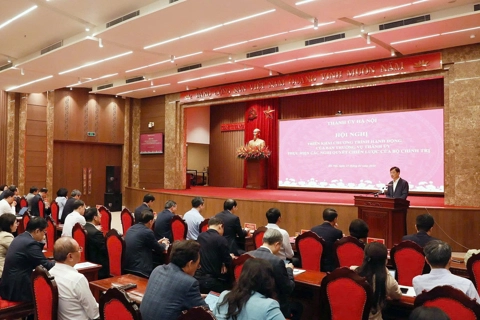
THE HANOI TIMES — The Hanoi People’s Council at its 31st session on January 27 voted to approve the Multi-Purpose Urban Area Project for the city.
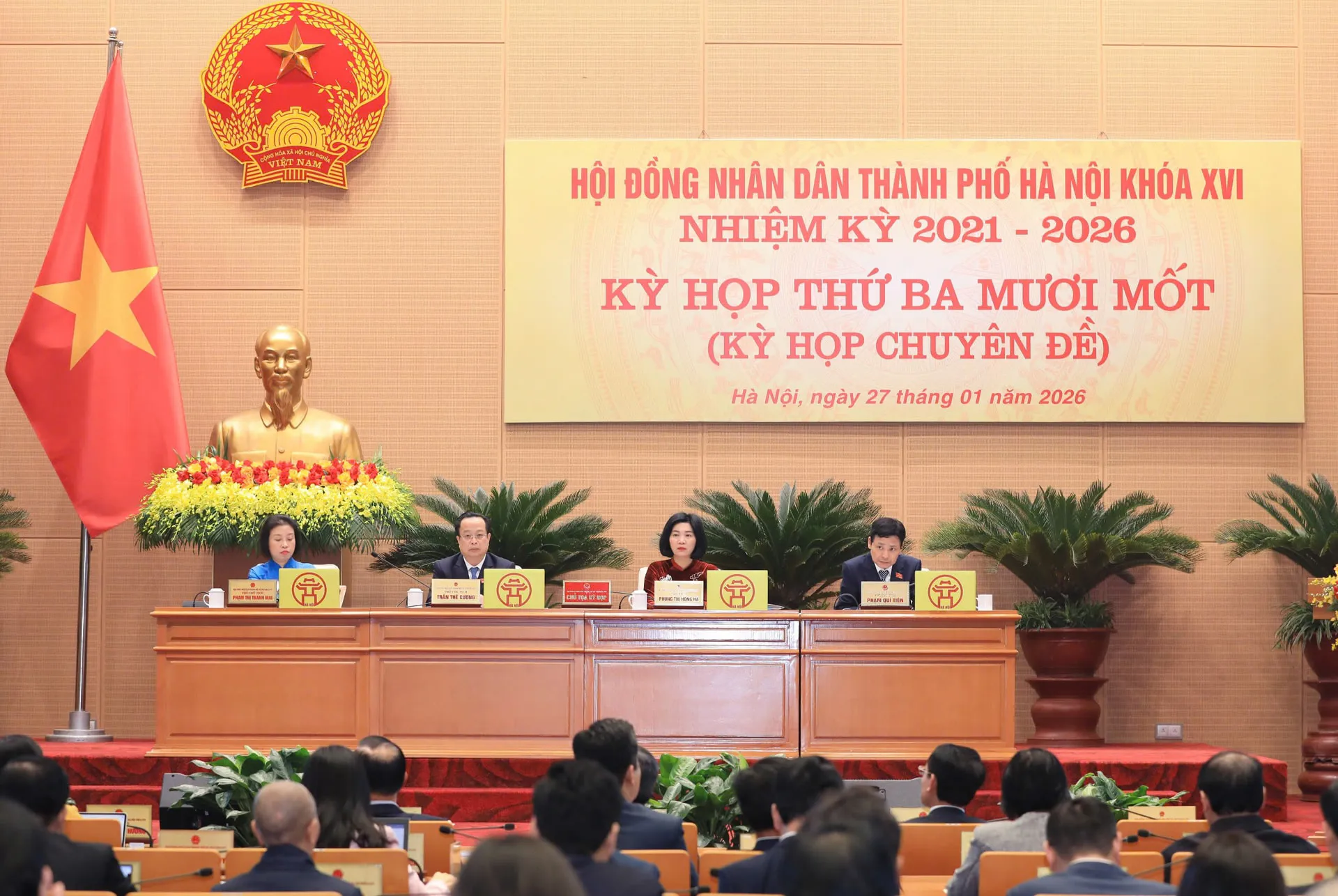
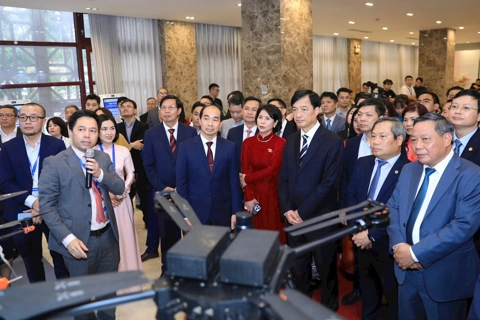
Overview of the session. Photos: Viet Thanh/Hanoimoi
At the meeting, Standing Vice Chairman of the Hanoi People’s Committee Duong Duc Tuan said that over more than two decades, Hanoi has undergone rapid and deep urbanization, especially since the administrative boundary expansion in 2008.
“The process has created new development space and made positive contributions to economic growth, investment attraction and the city’s urban landscape,” Tuan said.
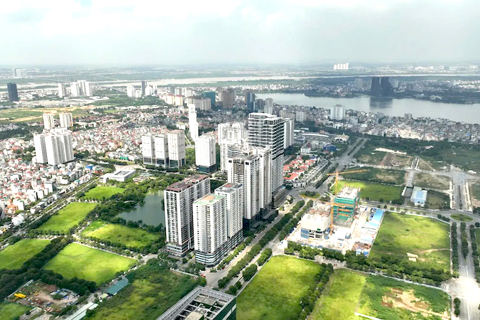
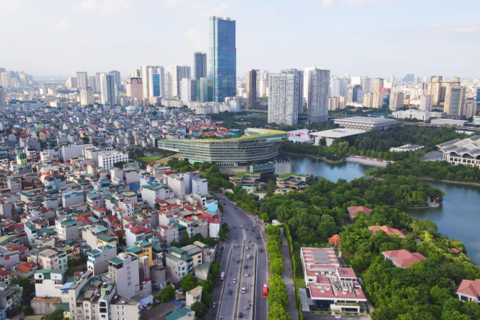
Alongside these achievements, Hanoi’s urbanization has also faced major challenges. Population, jobs and service activities remain concentrated mainly in the historic inner city, while satellite towns and areas beyond the ring roads have developed slowly and have not yet played a real role in redistributing population and urban functions.
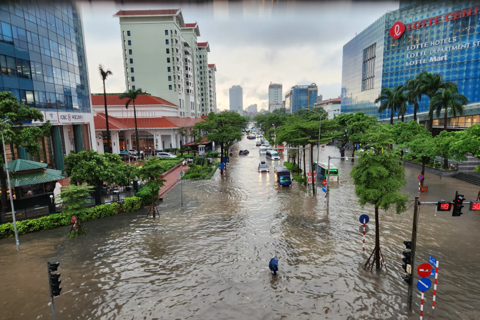
“This has created heavy pressure on the transport system, technical infrastructure and the urban environment,” Tuan said.
The real estate market has also shown a mismatch between the supply of mid and high-end apartments and the supply of social housing and housing for middle-income earners, workers and the labor force.
According to Tuan, implementing the direction of Party General Secretary To Lam at the working session with the Standing Committee of the Hanoi Party Committee on January 10, the Party Committee of the municipal People’s Committee has completed the orientation of the Capital Master Plan with a 100-year vision.
The plan defines the leading role of the capital as a center for guidance, diffusion and coordination of development, aiming to build Hanoi into a livable city with a clean environment, strong culture, solid social security, and to form a multi-polar and multi-purpose urban cluster system.
From the current urban development situation, Hanoi needs to soon study and implement a strategy to develop multi-purpose urban areas as a tool to regulate space and population for the entire city, Tuan said.
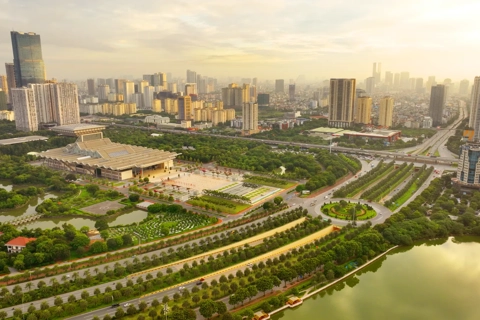
Under the project, Hanoi will develop multi-purpose urban areas evenly distributed in eight directions, linked with nine development corridors identified in the Capital Master Plan with a 100-year vision, while prioritizing locations near major transport corridors and public transport hubs.
Tuan expected the project to help proactively create large-scale resettlement housing, social housing and official housing funds with flexible functions based on actual demand.
It aims to form sustainable living and working spaces that can create and maintain livelihoods within the urban areas, especially for resettled households, while serving as pilot spaces for new mechanisms, new building materials and modern urban organization and governance models.
The requirements and principles of the project are to ensure consistency with the Capital Master Plan under a multi-polar, multi-center, multi-layer and multi-purpose urban cluster model, including nine development poles, nine major centers, nine development corridors, six ring belts and development axes.
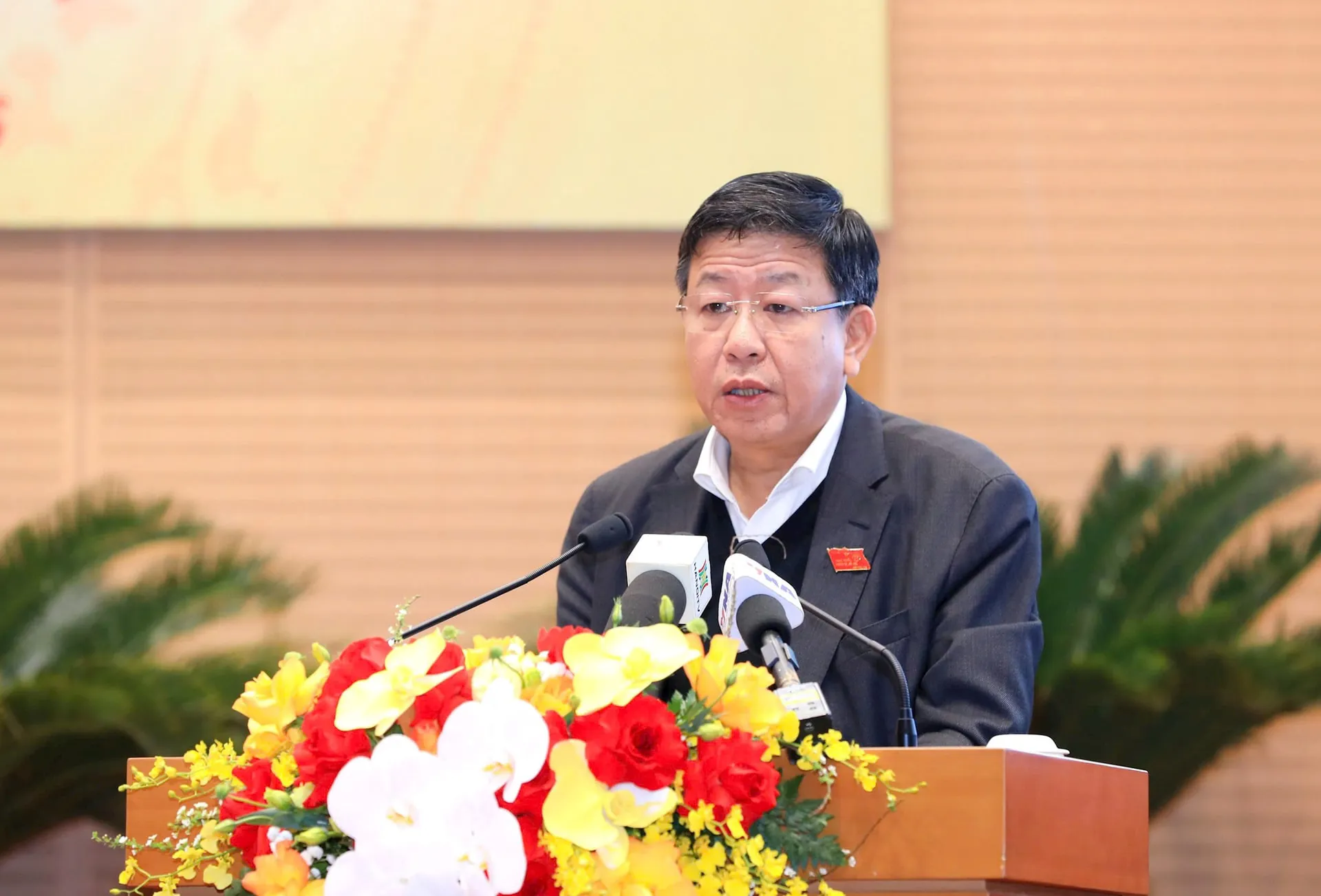
Standing Vice Chairman of the Hanoi People's Committee Duong Duc Tuan during the session.
Multi-purpose urban areas will be developed at a sufficiently large scale under a compact and multi-function model, in which resettlement housing, social housing, official housing and commercial housing are arranged in an integrated and flexible manner within the same area.
The model must be integrated from the zoning planning stage, suited to the livelihood characteristics of each area, with flexible functional conversion between housing types. It must align with the city Smart Urban Development Project and establish a profit control mechanism during investment and business activities to ensure a balance of interests among the State, investors and residents, while reducing housing prices in the market.
Each urban area will have a minimum area of 150 hectares. The city will issue standards to ensure efficient land use, increase green space to improve the environment and climate, and match Vietnam and Hanoi's infrastructure and economic conditions.
The areas must meet smart urban development standards, apply technology in management, transport, energy and the environment, use green and sustainable building materials, and integrate underground infrastructure, green infrastructure and smart infrastructure in line with a multi-layer urban model.
Tuan noted that Hanoi will apply a special investor selection mechanism under Resolution 258/2025/QH15 dated December 11, 2025 of the National Assembly to select investors suitable for the nature and objectives of the projects.
To make the projects profitable, the city will build a plan to control the standard profit threshold to balance the interests of the State and enterprises, reduce housing costs and make housing more accessible to residents. The profit threshold will be set lower than the standard thresholds under current regulations.
At the same time, the city will establish mechanisms to control profits and costs to ensure that project profits do not exceed the approved threshold based on construction investment costs and land use fees.
Hanoi will also introduce support mechanisms, including price regulation of construction materials, access to labor and construction machinery and investment in technical infrastructure outside project boundaries, to ensure the project is implemented effectively and feasibly, he stressed.