14TH NATIONAL CONGRESS OF THE COMMUNIST PARTY OF VIETNAM
Log in
Hanoi

Hanoi approves underground space master plan in metropolitan districts

Underground works will be built according to the functional zoning.

The Hanoi People's Committee has approved the general planning of urban underground space until 2030, with a vision to 2050.

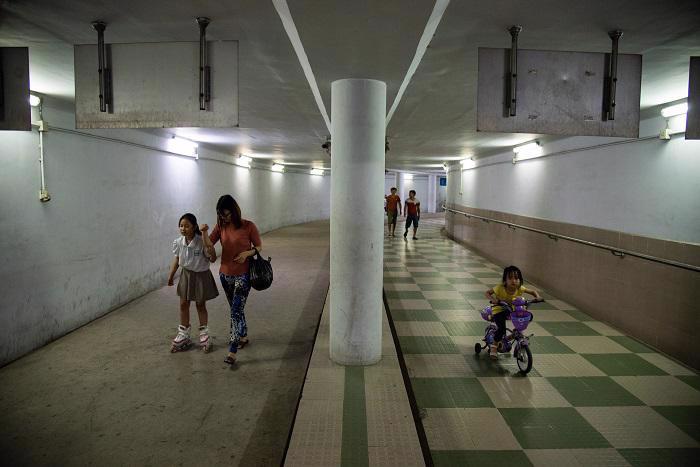
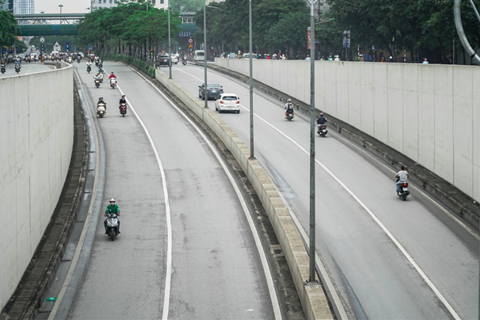
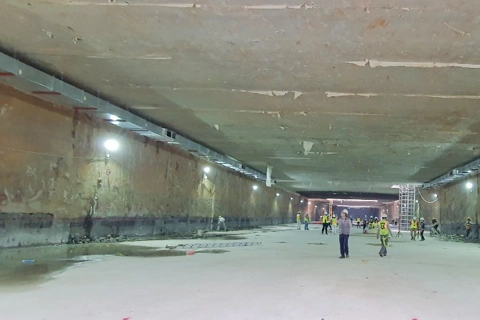
 Underground space for walking at Nga Tu So intersection in Hanoi. Photo: The Hanoi Times

Underground works will be built according to the functional zoning. Particularly, construction of underground works will not be carried out in Hanoi’s Old Quarter, even banned in areas classified as national monuments, including ​​Thang Long Imperial Citadel, President Ho Chi Minh's relic site at the Presidential Palace, Temple of Literature, Co Loa ancient citadel, Temple of Hai Ba Trung, Hoan Kiem Lake and Ngoc Son Temple.

Especially, it is forbidden to build underground public works within the zone of defense and security. The construction of underground technical infrastructure needs the approval and supervision of the Ministry of National Defence and the Ministry of Public Security in accordance with military and public security regulations.

The city's major public transport hubs (urban railway station, national railway station) will be the nucleus of developing underground public space beside high-rise buildings, commercial centers, sports facilities, squares, stadiums, among others.

The underground space will include a public car park, technical infrastructure system, public works system, and tunnels connecting underground spaces.

In satellite urban areas of Soc Son, Son Tay, Hoa Lac, Xuan Mai and Phu Xuyen, underground public space will be built below the stations of urban railway lines linking with Hanoi downtown.

In Hoa Lac satellite town and areas where universities and research facilities are planned to be built, it is recommended to build underground works in hi-tech experimental zones, warehouses, storage facilities and experimental production areas.

The master plan on underground space in the central urban area to 2030, with a vision to 2050, was approved to meet the requirements of state management of construction, management and use of underground works in the central urban area, and synchronously connect underground spaces in the city.

According to the decision, the general planning covers the administrative boundaries of 20 districts, including Hoan Kiem, Ba Dinh, Dong Da, Hai Ba Trung, Cau Giay, Tay Ho, Thanh Xuan, Hoang Mai, Ha Dong, Nam Tu Liem, Bac Tu Liem, Long Bien, Me Linh, Dong Anh, Gia Lam, Dan Phuong, Hoai Duc, Thanh Oai, Thanh Tri, Thuong Tin. In addition, it also governs the underground space development in five satellite urban areas in Hanoi’s outer districts of Soc Son, Son Tay, Hoa Lac, Xuan Mai, Phu Xuyen.
Reactions:
Share:
Trending
Most Viewed
Related news
Hanoi health sector targets digital leap under new Party resolution

Hanoi health sector targets digital leap under new Party resolution

Hanoi sets 2026 as a breakthrough year for healthcare reform, accelerating digital transformation, restructuring hospital networks and tightening food safety management under Politburo Resolution 72.

Hanoi launches state-backed innovation hub to drive digital economy

Hanoi launches state-backed innovation hub to drive digital economy

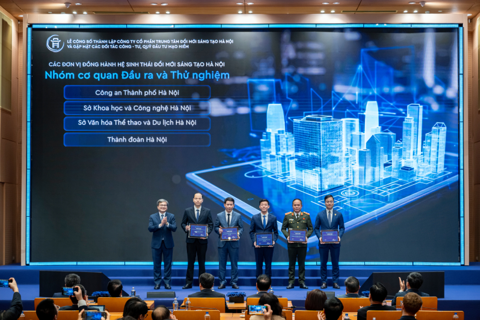
The new innovation center is designed to connect policy, technology and talent, aiming to accelerate digital transformation, support startups and position the capital as a global testing hub for emerging technologies and creative industries.

Hanoi issues action plan to implement 14th Party Congress resolution

Hanoi issues action plan to implement 14th Party Congress resolution

The goal is to turn policies into outcomes under the principle of “less talk, more action, effective results to the end, all for the capital and its people.”

ASEAN youth chart next phase of climate action in Hanoi

ASEAN youth chart next phase of climate action in Hanoi

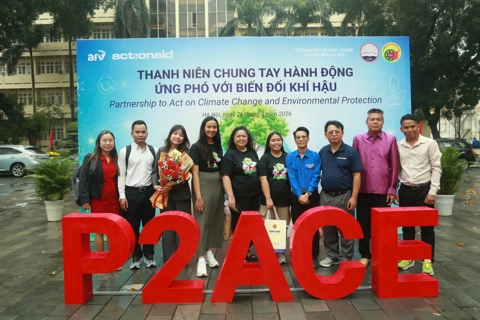
Home to more than 680 million people, many in vulnerable coastal and low-lying areas, ASEAN is on the front line of climate change, facing rising seas, fiercer storms, prolonged droughts and accelerating biodiversity loss that endanger the region’s economic resilience and social stability.

Hanoi launches sweeping overhaul to unlock state economy growth

Hanoi launches sweeping overhaul to unlock state economy growth

Hanoi has unveiled an ambitious five-year plan to reform governance, mobilize public assets and restructure state enterprises, aiming to turn the state economy into a powerful engine of sustainable growth.

Hanoi puts people first in implementing four strategic Party resolutions

Hanoi puts people first in implementing four strategic Party resolutions

Hanoi launches comprehensive action plans to implement Politburo Resolutions 71, 72, 79 and 80, prioritizing people-centered reforms in education, healthcare, culture and state economic development.

Vietnamese families blend Tet travel trends with enduring traditions

Vietnamese families blend Tet travel trends with enduring traditions

More young Vietnamese families choose travel over staying home during the Lunar New Year holiday, seeking fresh experiences while keeping core traditions intact.

Hanoi Party Chief backs Hoa Lac Hi-tech Park as strategic tech hub

Hanoi Party Chief backs Hoa Lac Hi-tech Park as strategic tech hub

The vision is for Hoa Lac to become a growth pole for Hanoi, driving innovation and high-tech development while advancing sustainable growth across the wider Capital Region.