Property
Hanoi: Cat Linh – Ha Dong elevated railway to be tested in October
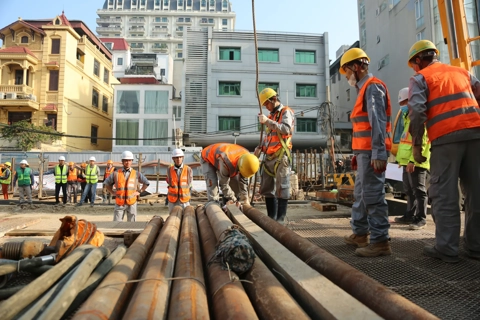
After a brief hiatus for Tet festival, construction work on the railway resumed on February 2 that Cat Linh – Ha Dong elevated urban railway in Hanoi will begin its test run, expected to last between three and six months, on October 1.
The same day, the China Railway Sixth Group Co, Ltd construction company and the Construction Ministry’s railway management board signed a commitment to speed up construction progress, ensure working safety and protect the environment.
According to head of the board Le Kim Thanh, the project has completed 13.05 km of tracks and prepared 13 trains. The first train is expected to reach Vietnam port on February 4. The elevated railway project began in 2011 with investment of 552 million USD, of which 169 million USD came from Chinese official development assistance. In November 2014, it was announced the project would need a total of 868 million USD, 300 million USD more than initial estimates.

Linking Cat Linh Street in Dong Da district with Yen Nghia station in Ha Dong district, the project includes 12 stations and a depot at Phu Luong ward in Ha Dong District. The elevated project has a length of about 13 km, while the depot in Ha Dong spans 19.6 hectares.
The railway is capable of operating 13 trains with carrier frequency of every two minutes with a maximum speed of 80 kilometres per hour. Completing this part of the project will create a viaduct system for the entire project and allow contractors to begin constructing railways, stations and trains.
According to the Ministry of Transport, funding for the project is fully prepared, so contractors can focus on speeding up construction. It is expected that by the end of this year the project will complete construction, including all concrete work, stations, and paths. Equipment will be installed from January next year, taking about 6 months.
The elevated railway project began in 2011 with investment of 552 million USD, of which 169 million USD came from Chinese official development assistance. The line, constructed by the China Railway Sixth Group Co, Ltd starts at Cat Linh Street in Dong Da District and ends at Yen Nghia station in Ha Dong District.
In total, the project includes 12 stations and a depot at Phu Luong Ward in Ha Dong District. From Hoang Cau Lake, the railway runs along the streets to the Yen Lang intersection. The elevated project has a length of 13 km. The depot at Ha Dong spans 19.6 hectares. It has a capacity to operate 13 trains with carrier frequency of every two minutes with a maximum speed of 80 kilometres per hour, but will most likely operate at 35 kilometres per hour.
The project was supposed to be completed by the end of this year. However, only 74 percent of the railway project has been completed since it broke ground in September 2010, according to the project’s management unit.
On additional loans for the project, the Ministry of Planning and Investment and the Ministry of Finance were urged to promptly work with the Chinese side on reaching agreement on supplement preferential loans for the project.
According to head of the board Le Kim Thanh, the project has completed 13.05 km of tracks and prepared 13 trains. The first train is expected to reach Vietnam port on February 4. The elevated railway project began in 2011 with investment of 552 million USD, of which 169 million USD came from Chinese official development assistance. In November 2014, it was announced the project would need a total of 868 million USD, 300 million USD more than initial estimates.
Linking Cat Linh Street in Dong Da district with Yen Nghia station in Ha Dong district, the project includes 12 stations and a depot at Phu Luong ward in Ha Dong District. The elevated project has a length of about 13 km, while the depot in Ha Dong spans 19.6 hectares.
The railway is capable of operating 13 trains with carrier frequency of every two minutes with a maximum speed of 80 kilometres per hour. Completing this part of the project will create a viaduct system for the entire project and allow contractors to begin constructing railways, stations and trains.
According to the Ministry of Transport, funding for the project is fully prepared, so contractors can focus on speeding up construction. It is expected that by the end of this year the project will complete construction, including all concrete work, stations, and paths. Equipment will be installed from January next year, taking about 6 months.
The elevated railway project began in 2011 with investment of 552 million USD, of which 169 million USD came from Chinese official development assistance. The line, constructed by the China Railway Sixth Group Co, Ltd starts at Cat Linh Street in Dong Da District and ends at Yen Nghia station in Ha Dong District.
In total, the project includes 12 stations and a depot at Phu Luong Ward in Ha Dong District. From Hoang Cau Lake, the railway runs along the streets to the Yen Lang intersection. The elevated project has a length of 13 km. The depot at Ha Dong spans 19.6 hectares. It has a capacity to operate 13 trains with carrier frequency of every two minutes with a maximum speed of 80 kilometres per hour, but will most likely operate at 35 kilometres per hour.
The project was supposed to be completed by the end of this year. However, only 74 percent of the railway project has been completed since it broke ground in September 2010, according to the project’s management unit.
On additional loans for the project, the Ministry of Planning and Investment and the Ministry of Finance were urged to promptly work with the Chinese side on reaching agreement on supplement preferential loans for the project.