Hanoi Convention sets global framework to fight cybercrime
The signing ceremony and the High-Level Conference on the United Nations Convention against Cybercrime (Hanoi Convention) were successfully held. International delegates highly appreciated Vietnam's role as the host country.
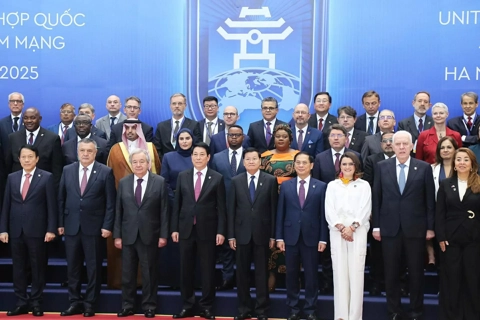
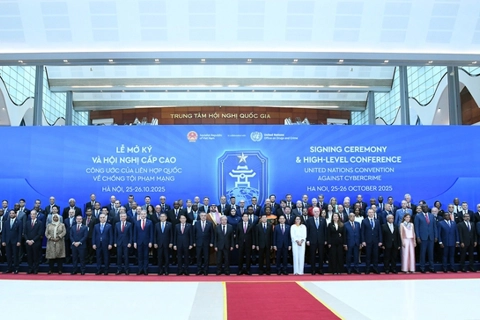
The Hanoi Convention on Cybercrime, adopted by the United Nations and signed by 72 countries and organizations on October 25–26, marks a historic step toward global cooperation in combating cyber threats. The treaty establishes the world’s first international framework for collecting and sharing digital evidence, helping nations jointly fight transnational cybercrime.
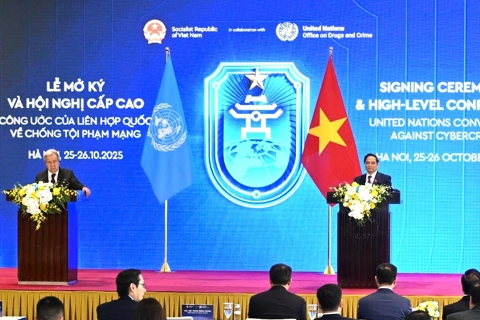
The signing ceremony and High-Level Conference took place in Hanoi, drawing representatives from across the world. United Nations Secretary-General António Guterres chaired the event, which participants hailed as a milestone in using technology for people and digitalization for peace.
The Hanoi Convention will serve as a beacon for global efforts against cybercrime, highlighting Vietnam’s growing diplomatic influence and its ability to host events of international significance.
Historic milestone in the global cooperation
Executive Director of the United Nations Office on Drugs and Crime (UNODC) Ghada Waly said Hanoi Convention is the result of five years of negotiations between UN member states, with the participation of about 160 organizations, including technology companies, civil society organizations and researchers.
The Convention was adopted by consensus by the United Nations General Assembly at the end of 2024. This is the first international treaty on combating cybercrime, creating a framework for international cooperation and ensuring human rights in joint efforts to combat cybercrime, and at the same time demonstrating the victory of multilateralism.
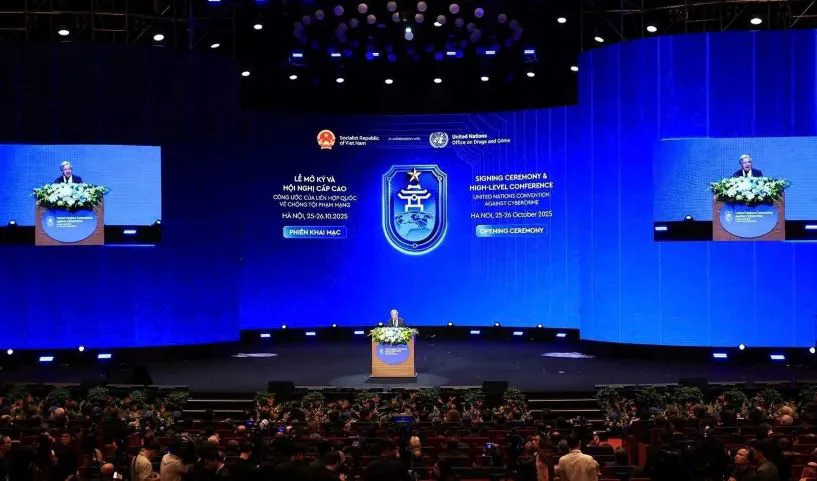
United Nations Secretary-General António Guterres chaired the signing ceremony. Photos: Hanoiconvention.org
Once in force, the Convention will become the first global framework for collecting and sharing digital evidence - a key step in catching transnational criminals who can operate in one country, while attacking victims in many other countries and storing evidence in completely different places. A unified international framework would help ensure that digital evidence is admissible in national courts, leaving criminals no place to hide, whether online or offline.
She thanked Vietnam for bringing together all countries to work towards a common global goal; hosting the conference in the beautiful capital of Hanoi. UNODC is proud to support Vietnam in hosting this conference and continues to believe in Vietnam’s leadership and cooperation in putting the new Convention into practice.
Ghada Waly said that Hanoi will not only be remembered as “the host of a signing ceremony” but also as a hub for implementation and capacity-sharing – a model for digital diplomacy in developing countries.
“The signing of the Convention in Hanoi will be a historic milestone in the global multilateral effort to combat cyber risks that are reshaping organized crime groups. Vietnam has demonstrated commendable leadership in hosting and organizing this landmark event, emerging as a leader in mobilizing global knowledge and efforts to combat cybercrime,” she said.
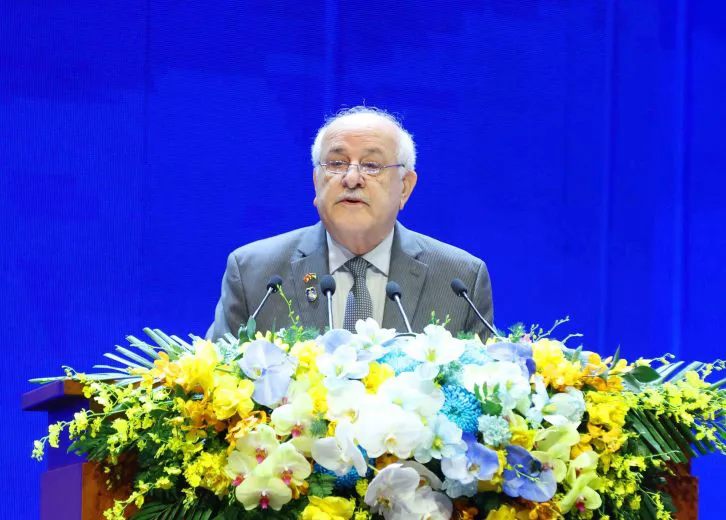
Riyad Mansour, Permanent Observer of the State of Palestine to the United Nations speaks at the conference.
Sharing the same view, Riyad Mansour, Permanent Observer of the State of Palestine to the United Nations said Hanoi Convention is not merely a legal document. It is a symbol of trust, dialogue, and solidarity among nations. It embodies the strong political will of United Nations Member States to rise above differences and confront a common challenge together, for in today’s interconnected world, no nation can be secure if others remain vulnerable.
“We firmly believe that the Hanoi Convention will open a new era of global collaboration in combating cybercrime, one that protects digital sovereignty, strengthens mutual trust among nations, and above all, ensures that technology serves peace, social justice, and sustainable development,” he said.
According to Riyad Mansour, the role of Vietnam deserves special recognition and appreciation. As the host country of this historic signing ceremony, Vietnam has demonstrated remarkable leadership, organisation, and coordination. Every element, from the substantive preparations and logistics to security, protocol, and media, has been handled professionally, efficiently, and with great national character.
Moreover, Vietnam has long been a pioneer in promoting international dialogue and cooperation on cybersecurity, reflecting a constructive, responsible, and forward-looking approach.
“Hanoi – the City for Peace, where tradition meets modernity – once again stands as a global forum for cooperation and trust, a living testament to Vietnam’s growing role in advancing the United Nations’ goals of peace, security, and development,” he said.
Bringing the regulations to the reality
The signing ceremony of the Hanoi Convention received high consensus and unanimity from the international community. Delegates acknowledged that Hanoi Convention is not only a legal document but also a symbol of trust, dialogue and solidarity between nations.
Ambassador Ahmed Rashid Khattabi, Assistant Secretary-General and head of the Media and Communication Sector at the League of Arab States said Hanoi Convention marks a historic milestone in the evolution of multilateral cooperation.
This legal achievement stands as a testament to the collective will to lay the foundations of digital security, achieve criminal justice, and safeguard the rights of individuals and institutions. The League of Arab States, which took the lead in this field through the adoption of the Arab Convention on Combating Cybercrime in 2010, will continue - guided by a renewed vision - to advance regional cooperation in line with the provisions of the Hanoi Convention.
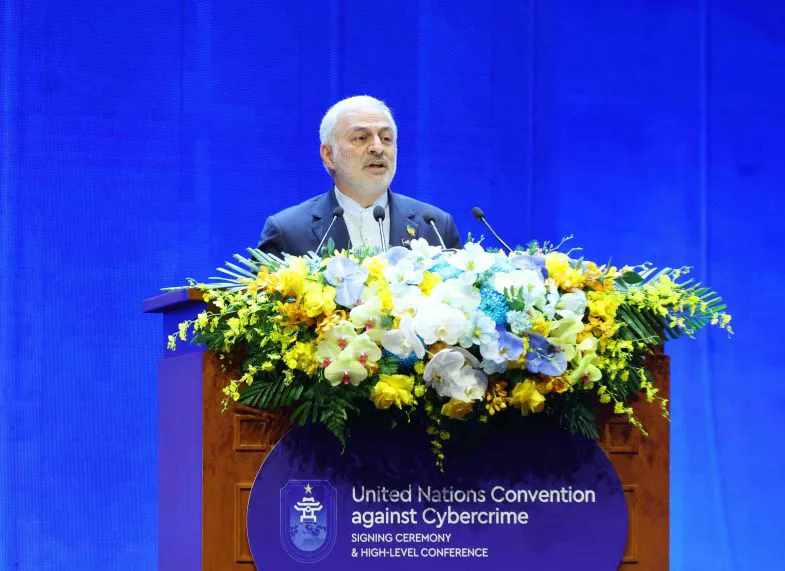
Vahid Jalalzadeh, the Deputy Foreign Minister of the Islamic Republic of Iran joins the conference.
Speaking at the conference, Vahid Jalalzadeh, the Deputy Foreign Minister of the Islamic Republic of Iran underlined that the provision of technical assistance and capacity building to developing countries should be based on their needs and priority in fighting the use of ICT for criminal purposes; along the same line, we underscore enhancing the ability of developing countries to benefit from science, technology and innovation and address the major impediments to accessing new and emerging technologies.
In this respect, the inclusion of transfer of technology in the Convention is an important step to bridge digital divide among countries and to address barriers that developing countries face in accessing technology and to respond more effectively to crimes committed via ICTs.
“We must ensure that all nations, regardless of their level of development, have the tools, knowledge, technical assistance and resources to combat cybercrime,” he said.