Hanoi embraces sustainable architecture amid pollution and flooding
Hanoi is facing a shortage of green space and infrastructure amid rapid urbanization, highlighting the urgent need for a green city model driven by technology, digital transformation and innovation.
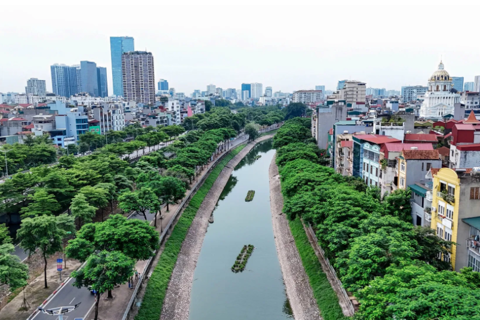
THE HANOI TIMES — Facing worsening air pollution, shrinking green space and frequent flooding, Hanoi is turning to sustainable architecture as a key solution to build a greener and more resilient capital.
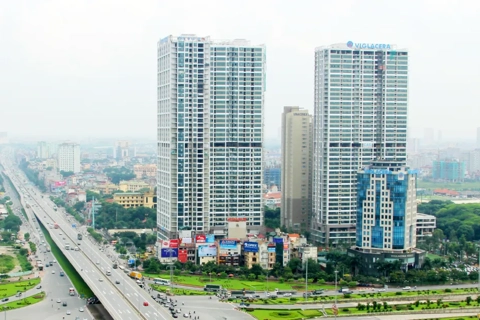
Urban planners say uneven tree coverage, hazardous PM2.5 levels and overloaded drainage systems have intensified environmental risks across the city, calling for micro-architectural interventions to restore balance.
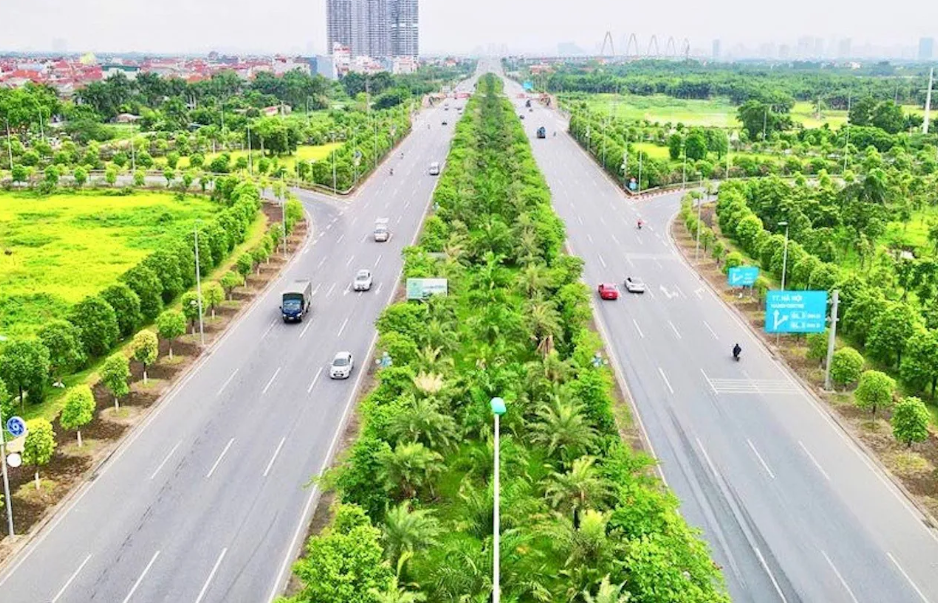
Hanoi targets planting 700,000 new trees in 2025. Photo: Pham Hung/The Hanoi Times
“These shortcomings damage the environment, threaten public health and reduce productivity. With limited land, Hanoi must adopt micro-architectural solutions that improve microclimates and quality of life,” said Dr Phan Dang Son, Chairman of the Vietnam Association of Architects.
The Hanoi Capital Master Plan 2021–2030 sets a vision of green and smart urban growth by expanding parks, lakes and public spaces, supported by digital technologies in urban management.
The National Digital Transformation Strategy by 2030 enables Hanoi to use geographic information systems (GIS), big data and Internet of Things (IoT) to manage land and monitor air, water and energy quality more efficiently.
Resolution No 68-NQ/TW on private sector development opens the door for business investment in green infrastructure.
“These orientations create a solid foundation for Hanoi to advance green urban initiatives. Technology is the tool, the private sector is the driver, global integration is the enabler and cultural identity is the core,” Son said, noting the priority of applying sustainable architecture in schools, housing and public spaces.
According to Dr Nguyen Viet Huy of the Hanoi University of Civil Engineering, small-scale interventions such as rain gardens, parklets and pedestrian-friendly zones can reduce surface temperatures by 5°C–10°C, increase space usage by 20%–30% and revive community life.
In Hanoi, these models have reduced heat and air pollution while reinforcing cultural identity, from Hoan Kiem pedestrian zones to alleyway playgrounds that reconnect people with public space.
For housing, including tube houses and ageing apartments, the city should mandate permeable surfaces, green roofs and vertical gardens while using climate simulation tools to optimize ventilation and reduce heat islands.
Meanwhile, schools should include green areas and permeable playgrounds with smart sensors to track environmental data.
“Public–private partnerships and community participation are crucial. Cities like Medellín and Seoul have shown that combining state, private and community investment can revive public space,” said Huy.
Architect Bui Thi Minh Nguyet from Hanoi Open University added that unplanned construction, uncontrolled renovation and poor waste management continue to harm urban aesthetics and the environment.
Dr Son said Hanoi needs a phased roadmap with clear milestones to ensure coordination, avoid fragmented implementation and enable policy adjustments to help position Hanoi as a green smart city rooted in cultural identity and creative industry.