Hanoi honors 87 entities and buildings for using green energy
Enterprises adopted highly automated technologies in line with Industry 4.0 standards and all businesses in industrial parks, clusters, rural industries and craft villages will keep applying energy-efficient measures.
THE HANOI TIMES — Hanoi has honored 87 entities and buildings for meeting energy-saving standards in industrial production and construction.
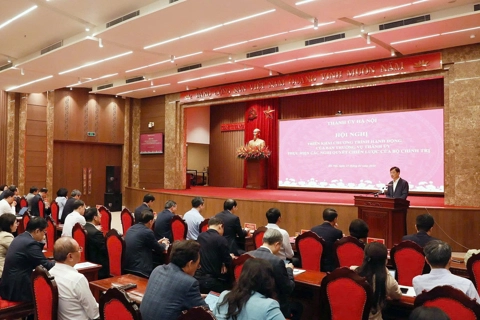
The Hanoi Department of Industry and Trade on December 11 presented the awards under the “Green Energy User 2025” program, which drew 150 participants and offered assessments using simulation tools, efficiency index calculations and support for energy management systems.
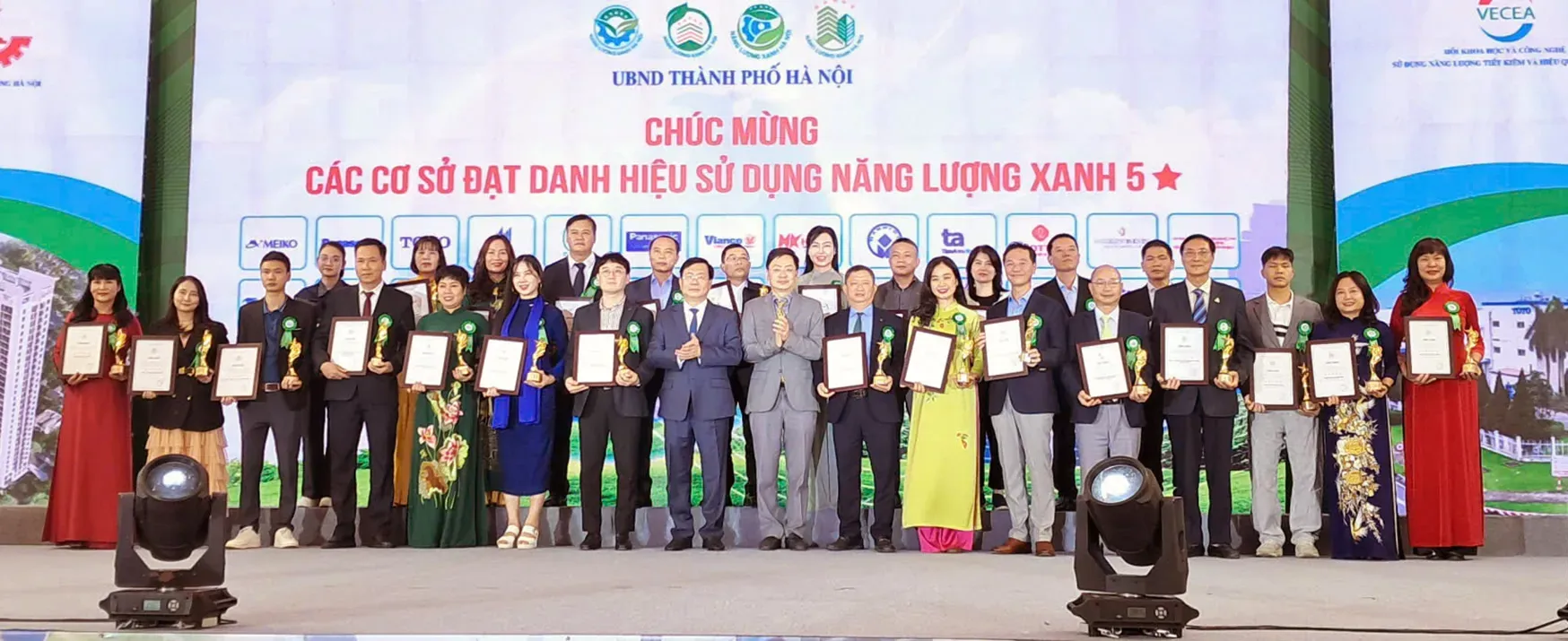
Entities and projects are honored for using green energy. Photos: Hoai Nam/The Hanoi Times
According to Vo Nguyen Phong, Director of the Department of Industry and Trade, the 87 recognized models have implemented thousands of innovative solutions, optimized production processes, invested in modern equipment and reduced energy costs.
"Initial evaluations show energy savings of 143.1 kTOE (kilo tons of oil equivalent) in 2025, which is 1.74% of the city's projected energy consumption," said Phong.
Among them, 16 major energy users applied 120 solutions and saved 8,350 TOE in three years, with plans to save 13,916 TOE over the next five. Another 18 high-energy users saved 548.2 TOE through 86 measures, with projected savings of 913.6 TOE.
Key actions included solar panel installations at major manufacturers and energy-control systems at hotels and hospitals, along with variable frequency drives for motors at several enterprises.
Highlights include solar panel installations at Canon Vietnam, Panasonic Vietnam, Goshi-Thang Long, Stanley Vietnam and others.
Hanoi has exceeded all targets under its Program on Economical and Efficient Energy Use for the 2021–2025 period.
Most industrial facilities have adopted energy-efficient solutions, including all enterprises in industrial parks and clusters and 80% of rural and craft establishments. All major energy-consuming units have also put energy management systems in place as required.
The city’s efforts have earned national recognition, with 12 facilities receiving awards for efficient energy use. Training has expanded as well, with 5,000 technical staff and energy managers completing certified programs.
Energy-saving education has reached every school in Hanoi, surpassing the original target of 60% and reinforcing awareness among students and communities.
"These results show a rising awareness among residents, businesses and organizations about energy conservation and emissions reduction," said the director.

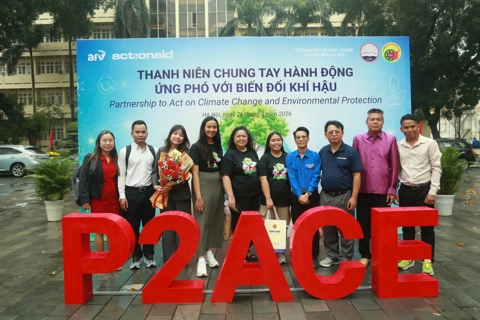
Hanoi's businesswomen discuss ways to save energy in production.
The Department of Industry and Trade will keep supporting enterprises to conduct audits, develop management systems and apply practical, cost-effective energy solutions.
From 2026 to 2030, Hanoi aims to cut total energy use by 8%-10%, keep power loss below 4% and save at least 2.2% of electricity each year across key sectors.
The city targets a 15% reduction in greenhouse gas emissions from energy activities by 2030 and will continue promoting energy-efficient measures in all industrial parks, clusters and craft villages.
Hanoi plans to cut fuel use in transport by 5%, recognize 330 “green energy users” and certify two to three national-level green buildings annually, while planning to train 5,000 technical officers, including 300 certified as energy managers.