Hanoi pauses for a moment that matters
On Hanoi’s streets, the opening of Vietnam’s 14th National Party Congress was felt not just inside conference halls, but in everyday life, as casual conversations and passing moments turned toward the country’s next steps.
THE HANOI TIMES — Hanoi woke up a little differently on the morning of January 20. Traffic moved more slowly than usual. Many people lingered longer on sidewalks, phones raised not for selfies but for rows of red flags fluttering against the pale winter sky.
In the chill of a thin early-winter drizzle, the capital seemed to pause, as if aware that the country was marking more than just another political event.
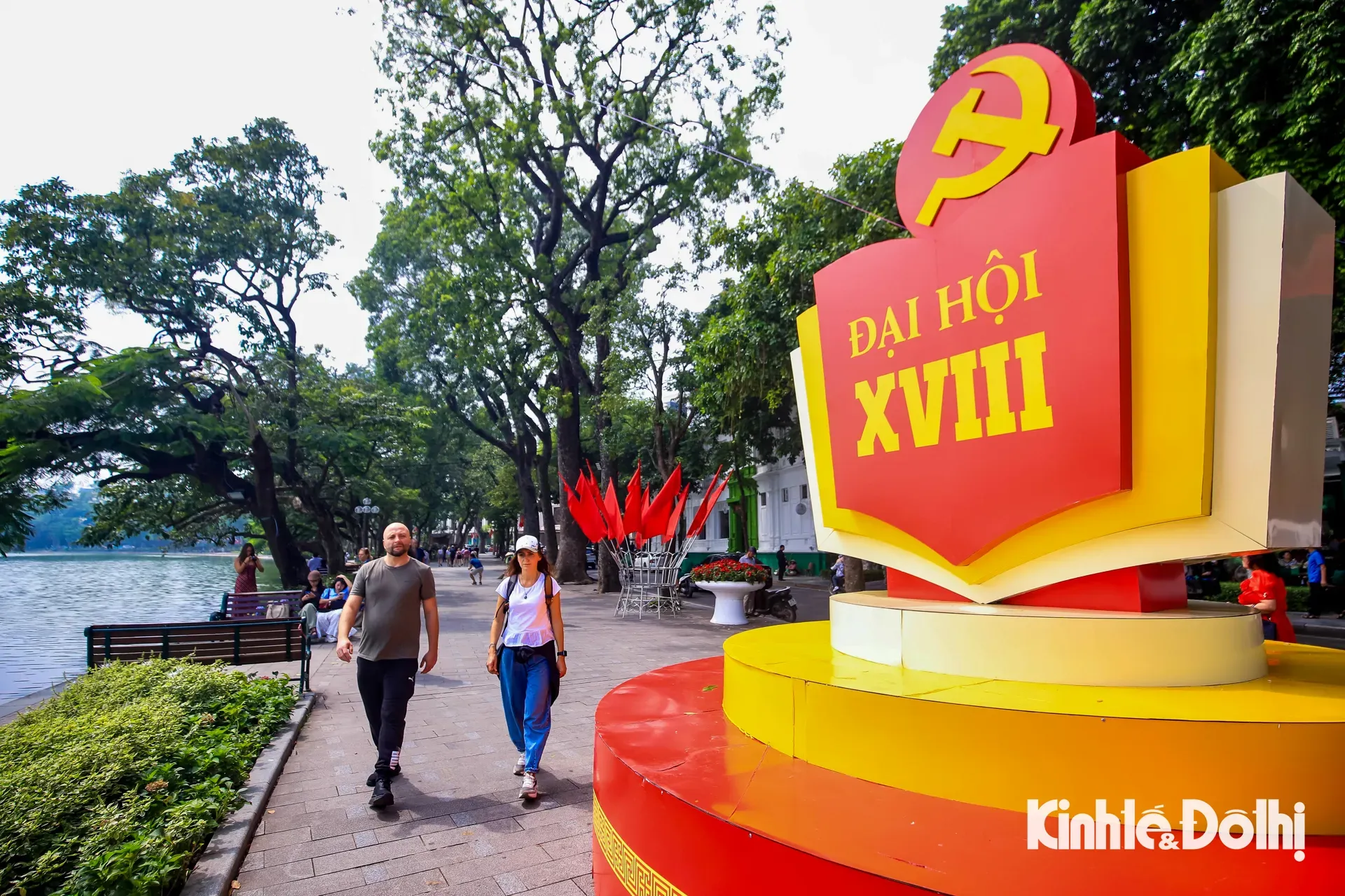
Colorful panels and posters around Hoan Kiem Lake stand as symbols of unity and the pride of the capital’s residents. Photos: Thanh Hai
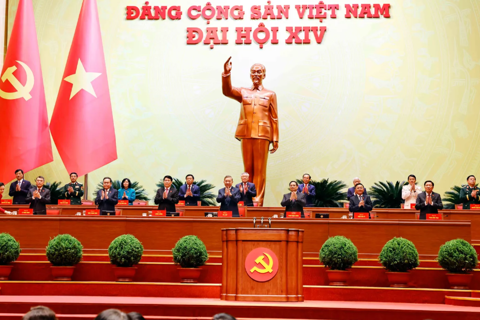
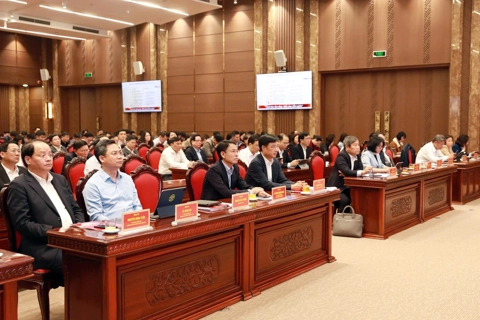
Vietnam was opening the 14th National Party Congress, a gathering widely seen as a turning point that will shape the country’s direction for the next decade and beyond. In Hanoi, the significance of the moment was written not in official statements, but across streets, parks and quiet conversations.
From Ba Dinh Square to the city’s main gateways, Party and national flags lined the avenues. Banners welcoming the congress stretched above roads named after history itself, including Hung Vuong, Hoang Dieu and Dien Bien Phu.
The message was unmistakable.
This was not only a celebration, but also a sign that Vietnam is preparing to enter a new development phase, one that places people and happiness at its heart, alongside higher growth ambitions, deeper reforms and a more confident national role.
Around Hoan Kiem Lake, a familiar gathering place for both residents and tourists, public spaces had been carefully refreshed. Flower beds were trimmed into symbolic shapes, trees pruned, lights adjusted to give the city a softer glow at night.
Some men and women stood quietly near the lake, photographing the decorations with their smartphone. “It feels important,” a man said simply. “Like the country is about to turn a page.”
That sense of anticipation was shared across generations. In small tea shops on Nguyen Trai Street, morning conversations drifted away from daily routines toward what the congress might bring.
For many, it is about governance that works better in practice. “What matters most is reform,” a middle-aged tea shop owner told her customers. “Less paperwork, less waiting and more room for people and businesses to move.”
For veteran Party member Bui Thi Khuynh, a 82-year-old Party member living in Hanoi’s Thanh Xuan Ward, the moment carried deeper resonance. She said she has witnessed many Party congresses, each once familiar and new.
“We have come a long way since the early days of renewal,” she said, referring to Doi moi. “But the world is changing faster now. This congress matters because it will decide how Vietnam keeps up, and how it moves forward with confidence.”
Younger voices framed the moment in terms of responsibility. To Trong Long, an IT engineer for Vietcombank, said his generation feels closely connected to the congress’s outcomes.
“We grew up in peace and stability, benefiting from nearly four decades of reform. That also means we have a duty to contribute more, especially in science, technology and innovation,” said Long, whose team recently won Gold Award for digital innovation with Vietcombank’s VCB Tablet at the ASEAN Digital Awards 2026.
But beyond individual stories, there was also talk of the “big numbers” expected to shape the next five years. On sidewalks and in cafes, people mentioned a bold target of double-digit economic growth of more than 10% a year for the 2026-2030 period.
It is an ambitious sprint aimed at lifting per capita income to around US$8,500 by 2030 and accelerating Vietnam’s transition toward a modern industrial economy. For many on the street, this “new era” is not just a slogan, but a collective drive toward greater self-reliance and national confidence.
The conversation, however, was not only about wealth. It was also about stability, peace and long-term direction, including the 2045 vision of a Vietnam that is high-income, developed, prosperous and, above all, happy.
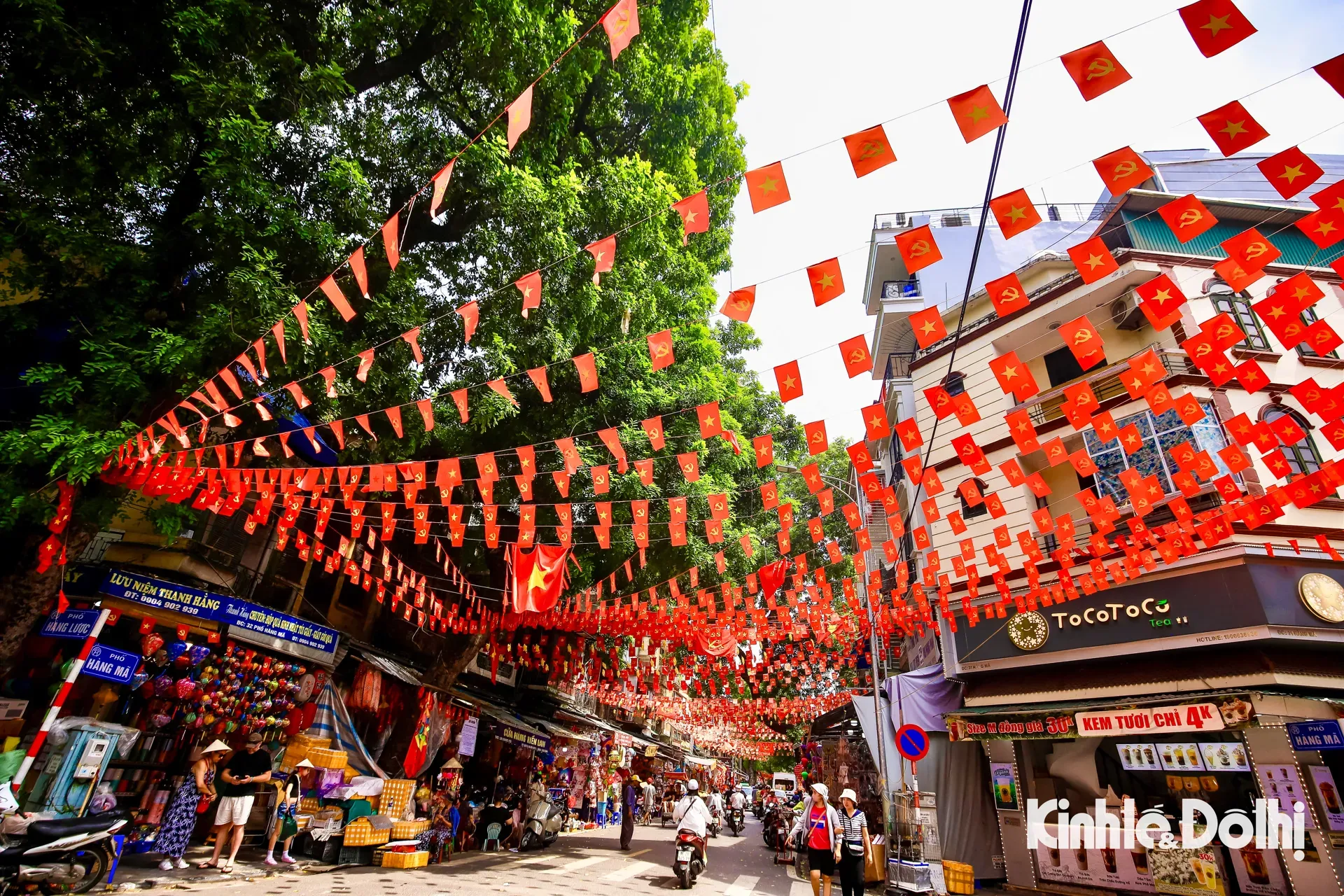
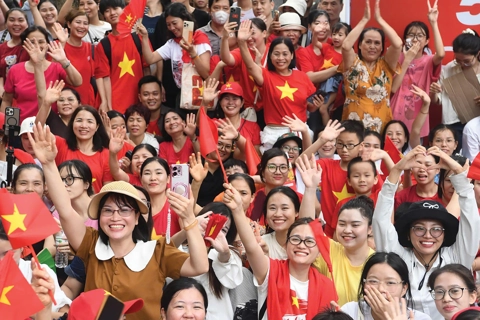
It is not only an important political event, but also a major festival for all people, symbolizing trust and aspirations for the development of the capital city of Hanoi.
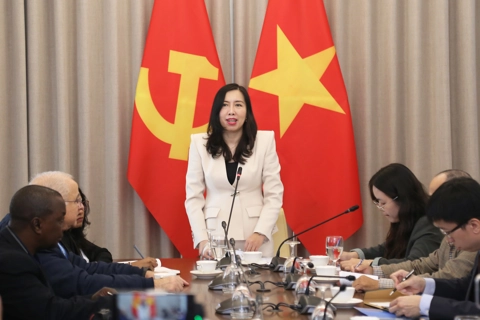
For ambassadors, who met Deputy Minister of Foreign Affairs Le Thi Thu Hang on January 19, it is a moment that offers insight into how Vietnam sees itself. It is no longer simply a fast-growing economy, but a country seeking a stronger, more sustainable place in the world.
What stood out most on Hanoi’s streets was not spectacle, but consensus. There were no chants, no crowds gathering for ceremony. Instead, there was a quiet alignment between the state and the public, reflected in everyday conversations and unspoken gestures of attention.
As night fell, Hanoi took on a quieter brilliance. Enhanced lighting reflected on lakes and tree-lined boulevards, creating a calm, almost contemplative atmosphere. It was a city both modern and reflective, signaling continuity as much as change.
Beyond the decorations, the 14th National Party Congress is widely expected to set strategic priorities for Vietnam’s next chapter, from economic restructuring and digital transformation to governance reform and national resilience in an increasingly uncertain global environment.
As the capital slowed down, even briefly, it revealed something essential. Hanoi was not just hosting a political congress. It was mirroring a collective expectation that the decisions made inside conference halls would resonate far beyond them, shaping Vietnam’s future at a moment when the country believes it is ready to step into a new era.