Property
Hanoi ranks 3rd most global dynamic real estate city: JLL
Hanoi is pulling in expanding levels of investment from large multinational technology firms.
Hanoi is listed the third in JLL’s City Momentum Index (CMI), indicating a highest level of socio-economic and commercial real estate dynamism.
The CMI, which measures momentum for 131 of the world's most commercially active cities, identifies the urban economies and real estate markets which are currently undergoing the most rapid growth.
Hanoi, behind Indian cities Bengaluru and Hyderabad, has strong links to the technology and innovation sector.
Ho Chi Minh City, meanwhile, is the eighth most dynamic city in the ranking. The city has all cultivated a thriving start-up culture which has helped to push it up the rankings.
It’s clear that the tech sector is a key driver of both real estate and economic momentum driven by large technology firms as well as dynamic start-ups, Jeremy Kelly, director of Global Research at JLL said.
Vietnam has a strong presence in the rankings with both Hanoi and Ho Chi Minh City in the CMI Top 10. Both cities perform very well for socio-economic momentum with fast-growing populations and economies.
Ho Chi Minh City is generally viewed as the more business-friendly destination attracting more overseas investment along with a higher corporate presence, whereas Hanoi has lagged commercially but is a city that is swiftly evolving.
High ranking supported by overall prospects
Manufacturing is one of the key sources of economic growth in Vietnam driven in part by robust demand from China.
Vietnam is often seen as a lower-cost alternative to China, and FDI has grown on the back of this; while escalation of the trade dispute between China and the U.S. may benefit Vietnam’s economy in the longer term.
Ho Chi Minh City and Hanoi are both pulling in expanding levels of investment from large multinational technology firms, including Microsoft, LG, Intel, and most notably Samsung.
Infrastructure plans, such as the official opening of Hanoi’s first metro line, should also help to ease the congestion caused by the rapidly-growing population.
As yet, Vietnam has a small real estate investment market struggling with issues such as low transparency and a limited volume of investment grade stock. However, headway is being made to improve transparency, such as enhancements in access to the land registry, better valuation practices and the increasing application of green building certification system such as LOTUS and LEED.
LOTUS is a set of market-based green building rating tools developed by the Vietnam Green Building Council (VGBC) specifically for the Vietnamese built environment while Leadership in Energy and Environmental Design (LEED) is the most widely used green building rating system in the world.

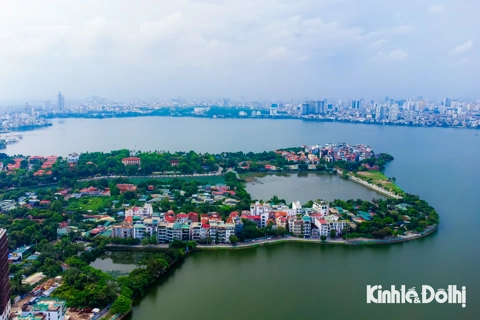
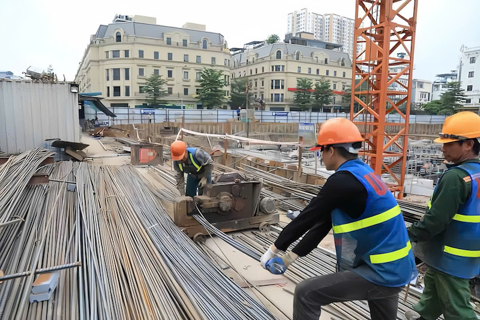
Part of Hanoi. Photo: Internet
|
Hanoi, behind Indian cities Bengaluru and Hyderabad, has strong links to the technology and innovation sector.
Ho Chi Minh City, meanwhile, is the eighth most dynamic city in the ranking. The city has all cultivated a thriving start-up culture which has helped to push it up the rankings.
It’s clear that the tech sector is a key driver of both real estate and economic momentum driven by large technology firms as well as dynamic start-ups, Jeremy Kelly, director of Global Research at JLL said.
Vietnam has a strong presence in the rankings with both Hanoi and Ho Chi Minh City in the CMI Top 10. Both cities perform very well for socio-economic momentum with fast-growing populations and economies.
Ho Chi Minh City is generally viewed as the more business-friendly destination attracting more overseas investment along with a higher corporate presence, whereas Hanoi has lagged commercially but is a city that is swiftly evolving.

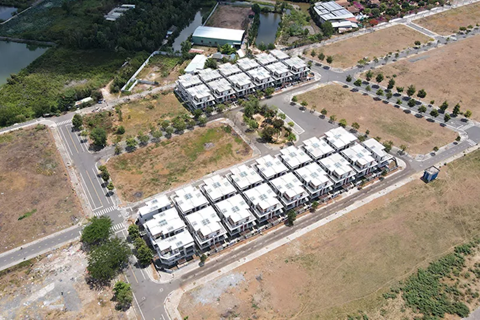
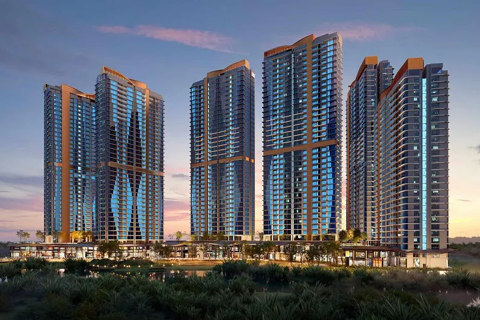
Part of Ho Chi Minh City. Photo: Kientrucvietnam
|
Manufacturing is one of the key sources of economic growth in Vietnam driven in part by robust demand from China.
Vietnam is often seen as a lower-cost alternative to China, and FDI has grown on the back of this; while escalation of the trade dispute between China and the U.S. may benefit Vietnam’s economy in the longer term.
Ho Chi Minh City and Hanoi are both pulling in expanding levels of investment from large multinational technology firms, including Microsoft, LG, Intel, and most notably Samsung.
Infrastructure plans, such as the official opening of Hanoi’s first metro line, should also help to ease the congestion caused by the rapidly-growing population.
As yet, Vietnam has a small real estate investment market struggling with issues such as low transparency and a limited volume of investment grade stock. However, headway is being made to improve transparency, such as enhancements in access to the land registry, better valuation practices and the increasing application of green building certification system such as LOTUS and LEED.
LOTUS is a set of market-based green building rating tools developed by the Vietnam Green Building Council (VGBC) specifically for the Vietnamese built environment while Leadership in Energy and Environmental Design (LEED) is the most widely used green building rating system in the world.