Hanoi’s bus system meets 2026 green transition target
Hanoi has decided to raise the loan subsidy from 50% to 70% for up to 10 years to boost investment in vehicles for public transport and charging infrastructure.
THE HANOI TIMES — Hanoi has met its 2026 green transport target ahead of schedule, with 20.7% of its buses now using clean fuel and the rate expected to reach 26.5% by the end of 2025.
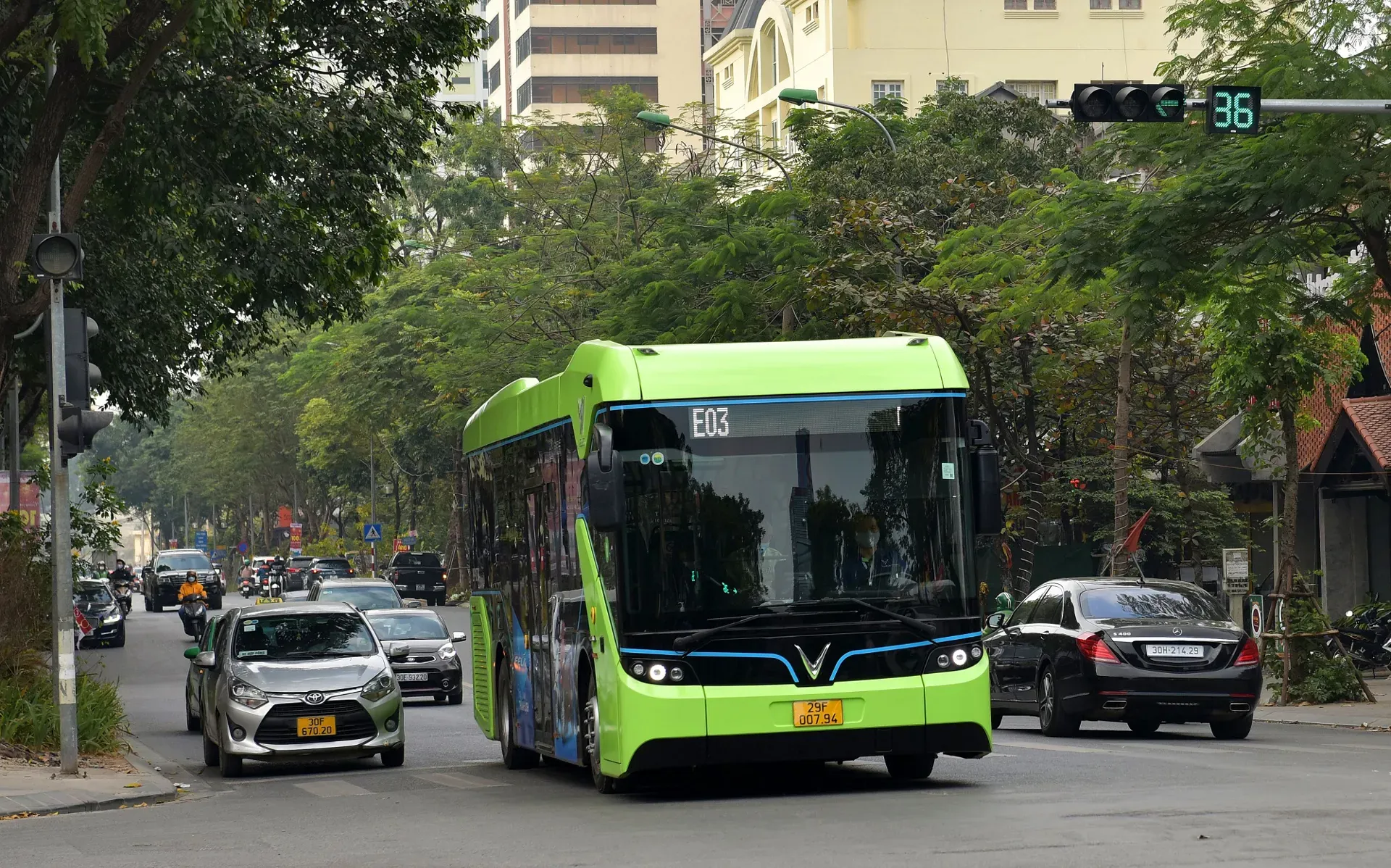
A CNG bus runs along Huynh Thuc Khang Street, Hanoi. Photo: Cong Hung/The Hanoi Times
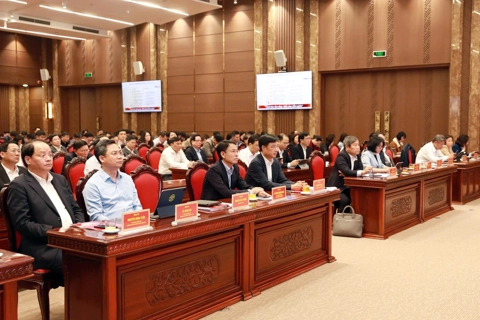
The figure was announced at a review meeting today [November 7] chaired by Vice Chairman of the Hanoi People’s Committee Nguyen Manh Quyen.
According to Dao Viet Long, Deputy Director of the municipal Department of Construction, Hanoi currently operates 393 green-fuel buses, accounting for 20.7% of the total fleet. The city had planned to reach this ratio in 2026 but achieved it a year ahead of the schedule.
As much as 60.8% of taxis and 40.2% of app-based vehicles have also switched to clean energy. Meanwhile, the city aims for all buses and taxis to operate on electricity or clean fuel by 2030.
To serve the fleet, communes and wards in the city have proposed 52 sites for charging stations, including 39 registered by Hanoi Parking Company for integration into existing parking areas.
The Department of Construction and related agencies are finalizing support policies for businesses and individuals converting to green vehicles.
Speaking at the event, Vice Chairman Quyen praised the progress and instructed the department to sustain momentum toward the 2030 target.
He stressed that charging infrastructure must be developed ahead of demand, comply with national standards and prevent monopolies that could hinder users and investors.
With 52 proposed sites, the city will prepare projects and call for long-term investment.
He commended transport companies for their pioneering role and urged agencies to support those committed to the green transition.
He also called for policies encouraging residents to switch to electric or clean-fuel vehicles in line with the prime minister’s directive dated July 12, 2025, on environmental protection.
|
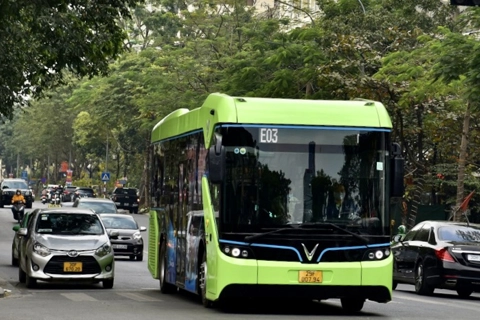
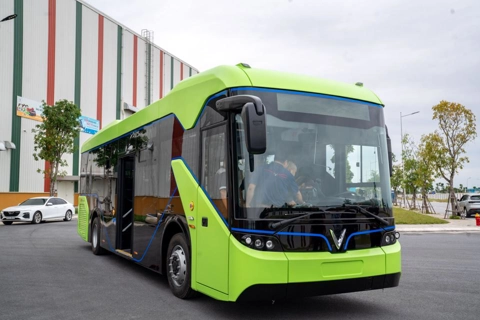
Hanoi is expanding its fleet of green buses as part of efforts to cut emissions and improve air quality. The city plans to phase out older diesel buses and replace them with electric and hybrid models to build a cleaner, more sustainable public transport network. The new vehicles are equipped with modern emission-control systems that meet higher environmental standards. By increasing the number of green bus routes, Hanoi aims to reduce traffic pollution and encourage more residents to shift from private vehicles to public transport. Developing the green bus network is a key component of the capital’s long-term strategy for sustainable mobility and a healthier urban environment. |
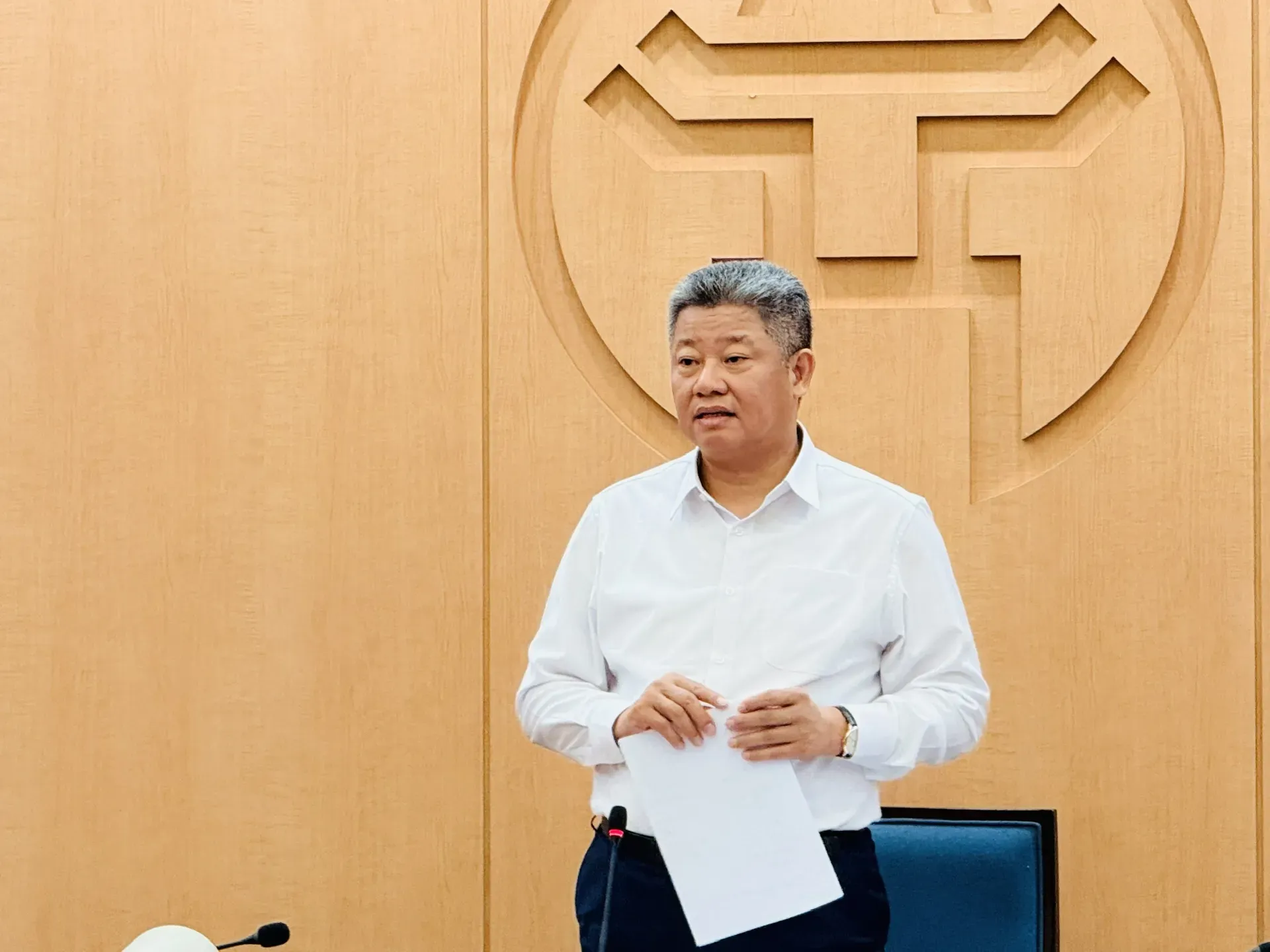
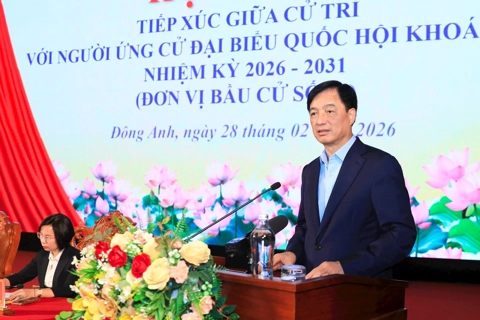
Vice Chairman of the Hanoi People’s Committee Nguyen Manh Quyen at the meeting on November 7. Photo: Kinh te & Do thi Newspaper
Breakthrough mechanisms needed for greener public transport
Hanoi targets full electrification or clean-fuel conversion of its bus system by 2030. However, progress has slowed due to limited financial incentives, making it difficult for operators to access investment capital.
According to Pham Dinh Tien, Head of the Operations Planning Division at the Hanoi Public Transport Management Center, electric bus routes have proved efficient, with peak-hour occupancy exceeding 100% and over 90% passenger satisfaction.
General Director of Hanoi Transport Corporation (Transerco) Nguyen Thanh Nam said the company launched 63 electric buses on four routes in the first half of 2025, completing its 2026 plan ahead of schedule. The results show the shared determination of the city and businesses to build a modern, eco-friendly transport network.
However, complicated procedures and unclear loan conditions have hindered the participation of companies operating this means of public transport. Deputy Director Long said that so far, only one company, Bao Yen, has accessed interest rate subsidies for 139 CNG buses over the past five years.
To encourage businesses, the Hanoi People’s Council at its session on September 29, 2025 raised the loan subsidy from 50% to 70% for up to 10 years to boost investment in vehicles and charging infrastructure.
Director of the Department of Construction Nguyen Phi Thuong said electric buses cost two to three times more than diesel ones, so increased financial support is vital for implementation.
Vice Chairman Quyen affirmed that developing green public transport is a top priority in Hanoi’s sustainable development strategy. The city continues refining incentive mechanisms, attracting private investment and accelerating the construction of charging and refueling stations.
He said it aims to build a comprehensive green transport ecosystem, where government, businesses and citizens work together to cut emissions, improve air quality and shape a modern sustainable capital.