Hanoi’s first TOD metro line ready to break ground in October
Hanoi prepares to launch Metro Line 2 from Nam Thang Long to Tran Hung Dao in October 2025, its first transit-oriented development project.
THE HANOI TIMES — On a fenced-off stretch of land in Xuan Dinh ward, the future depot of Hanoi’s Metro Line 2 already hints at what’s to come. The site is cleared and shielded with corrugated panels to prevent encroachment, waiting for bulldozers to roll in.
For residents nearby, the view marks the beginning of a long-anticipated project set to reshape the capital’s urban transport and the neighborhoods around it.
City officials confirmed preparations for the Nam Thang Long – Tran Hung Dao urban railway line are nearly complete, paving the way for groundbreaking on October 10, 2025.
This will be Hanoi’s first metro line developed under a transit-oriented development (TOD) model, where new residential and commercial areas are planned around stations to maximize public transport use.
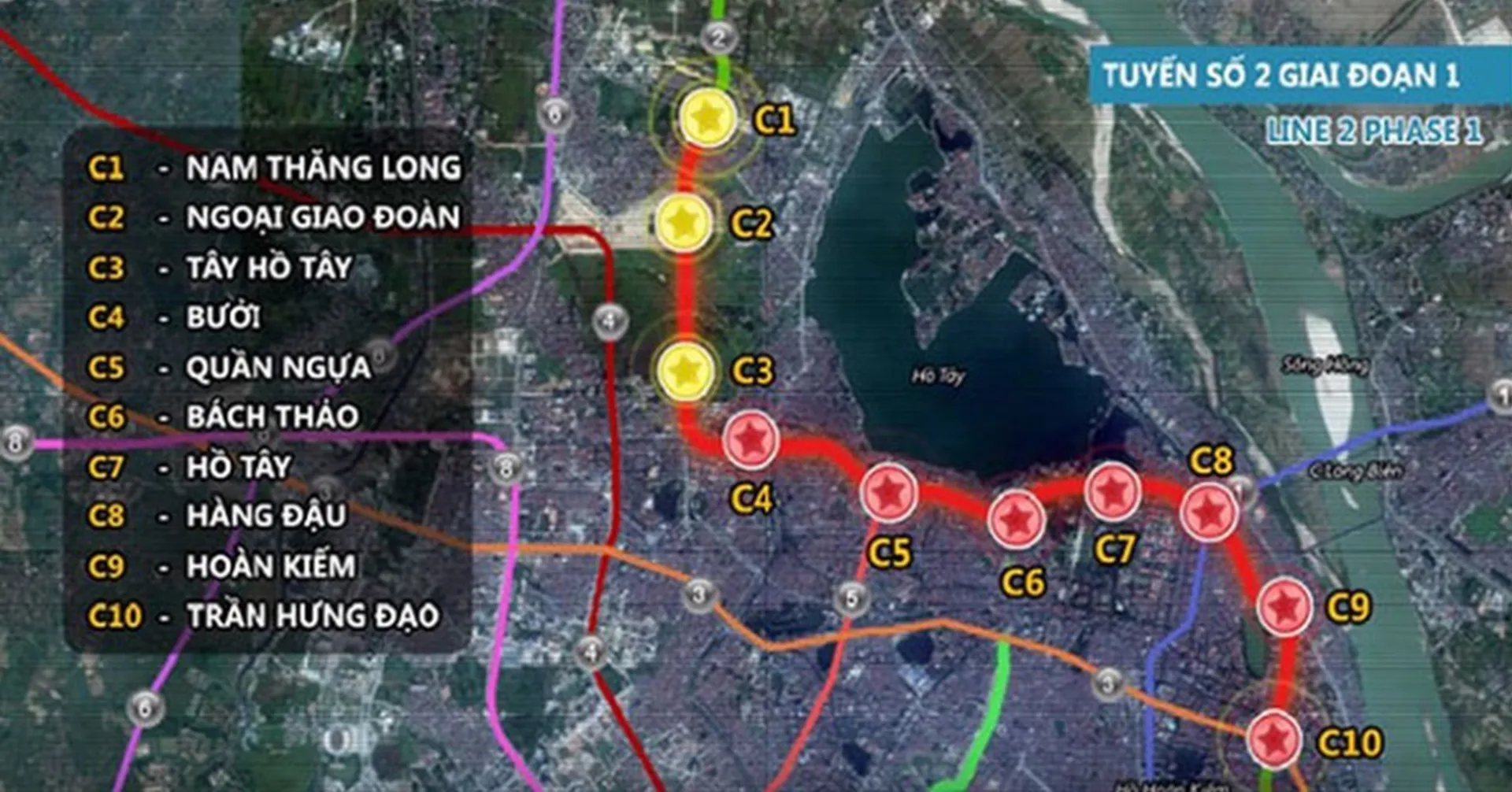
Map of Hanoi’s Metro Line 2: The 11.5 km Nam Thang Long – Tran Hung Dao route with 10 stations, including 8.9 km underground and 2.6 km elevated. It is overseen by the Hanoi Urban Railway Management Board.
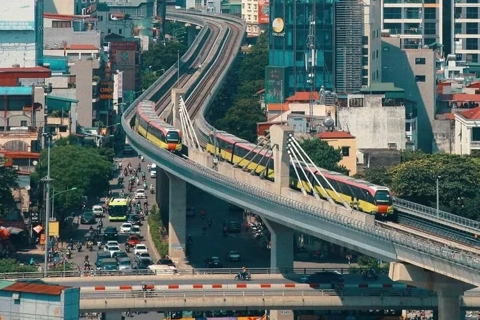
Over the past months, the Hanoi People’s Committee has pressed municipal departments and district authorities to accelerate work on all metro projects slated for 2025. Among them, Line 2, stretching 11.5 kilometers with three elevated stations and seven underground stations, is a flagship priority.
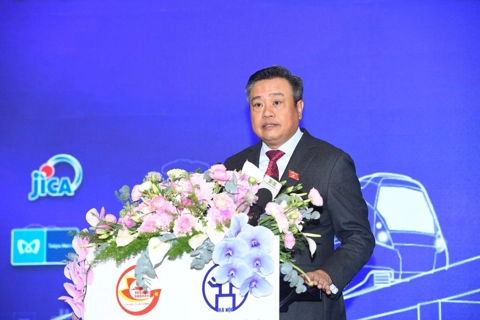
Nguyen Ba Son, deputy director of the Hanoi Urban Railway Management Board, said Japanese consultants have been brought in to finalize basic designs and submit them to city leaders in early August.
“This is the first metro line in Hanoi designed under the TOD concept,” Son told The Hanoi Times.
The depot area in Xuan Dinh will be redesigned into a new residential zone around the station, and we propose expanding Nguyen Hoang Ton Street simultaneously to maximize the project’s benefits.”
Following the October groundbreaking, bidding for additional construction packages is expected to begin, with full-scale work ramping up in 2026 and completion targeted for 2030.
The project has already achieved 90 percent site clearance, with only the Xuan Dinh depot area and a small section in Tay Ho ward awaiting final approvals. Local authorities are currently consulting affected households to finalize compensation and resettlement plans.
Bui Minh Tuong, a resident slated for relocation, said most families support the project but want details soon. “We agree with moving to make way for the metro. However, we hope the authorities will quickly share specific maps and plans so people can prepare.”
Another resident, Nguyen Xuan Ba of Xuan Dinh, echoed this view: “We need clear information on compensation and where we will resettle. Everyone wants the project done properly so life can stabilize quickly.”
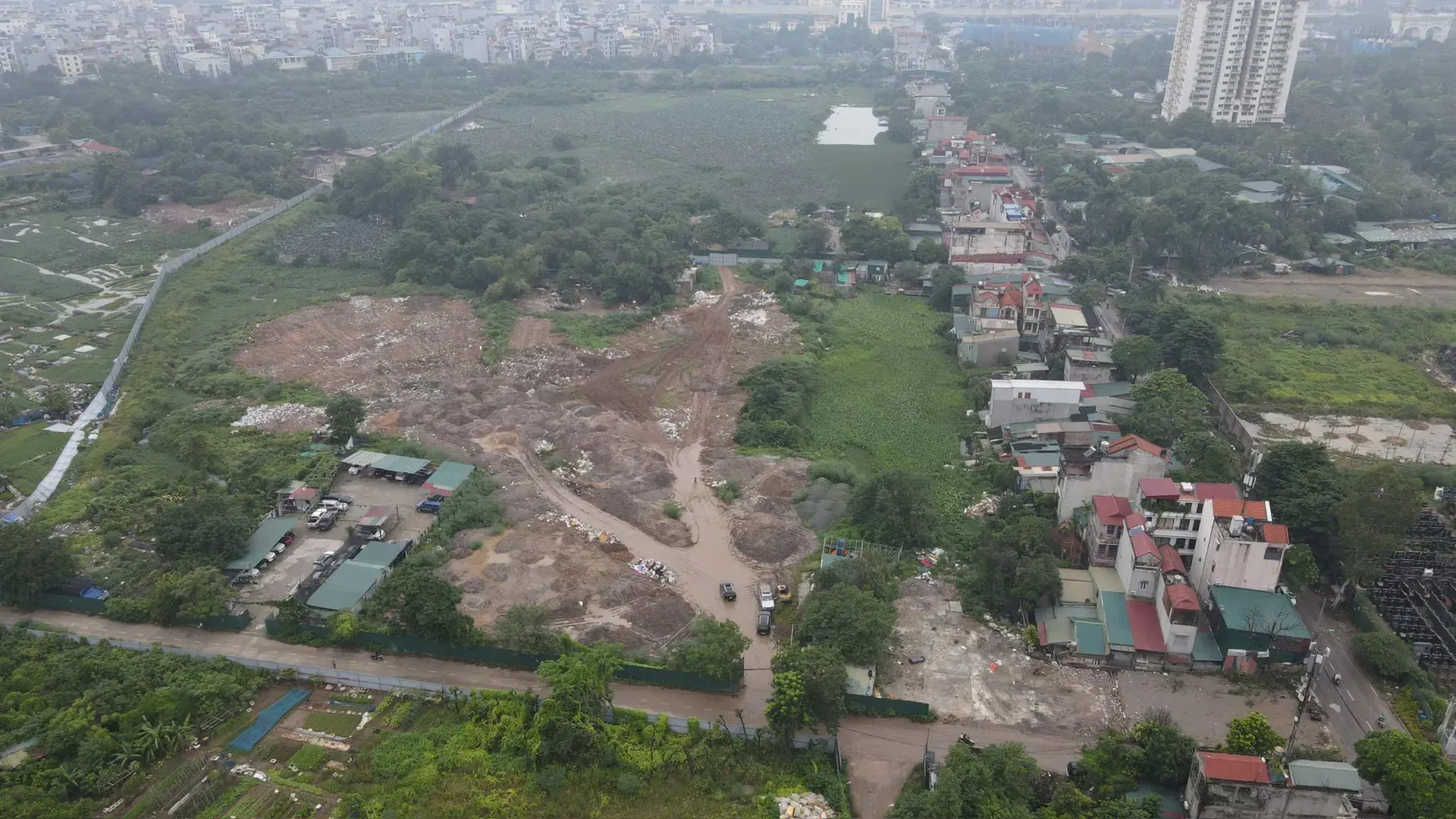
The cleared depot site of the metro project is now fenced off to prevent encroachment. Photo: Pham Cong/kinhtedothi.vn
According to Ngo Ngoc Vy, Deputy Chairman of Xuan Dinh Ward People’s Committee, 14 hectares of the depot site have already been cleared and secured, while the remaining 187 households with residential land are under review for legal procedures.
“We will hold community meetings to gather feedback. There are still issues concerning the resettlement site for these households in Phu Dien Ward. In the coming period, we will work more closely with relevant agencies to carry out the resettlement plan,” said Vy.
Luu Hung Cuong, Co-director of the joint design consortium OCJV, said that the Metro Line 2 will adopt some of the latest railway technologies worldwide. One highlight is C9 Station, which will sit beneath Dinh Tien Hoang Street near Hoan Kiem Lake, a location rich in cultural and historical significance.
“Cultural and historical factors are our top priority for C9 Station’s design, and all plans have been approved by relevant authorities,” said Cuong said.
The consortium will issue tender documents by mid-August and begin overall project design by the end of October, he added.
As Hanoi embarks on this ambitious project, officials frame Line 2 as more than just transport. By integrating TOD principles, the metro is expected to spur new urban clusters, connect seamlessly with other modes of transport, and become a model for future railway projects across Vietnam.
For now, the cleared depot in Xuan Dinh, quiet but ready, signals the city’s determination. In just two months, it will echo with the sound of groundbreaking, marking the start of Hanoi’s most transformative transport venture yet.