Hanoi’s Hi-tech and Industrial Parks drive innovation and global investment
THE HANOI TIMES — As Vietnam accelerates its shift toward a new growth model, high-tech parks and industrial zones are expected to become key drivers of innovation, technological application and deeper integration into global value chains. Le Thanh Son, Vice President of the HaNoi Hi-tech and Industrial Park Management Board, shares with The Hanoi Times about development orientations, policy mechanisms and long-term goals.
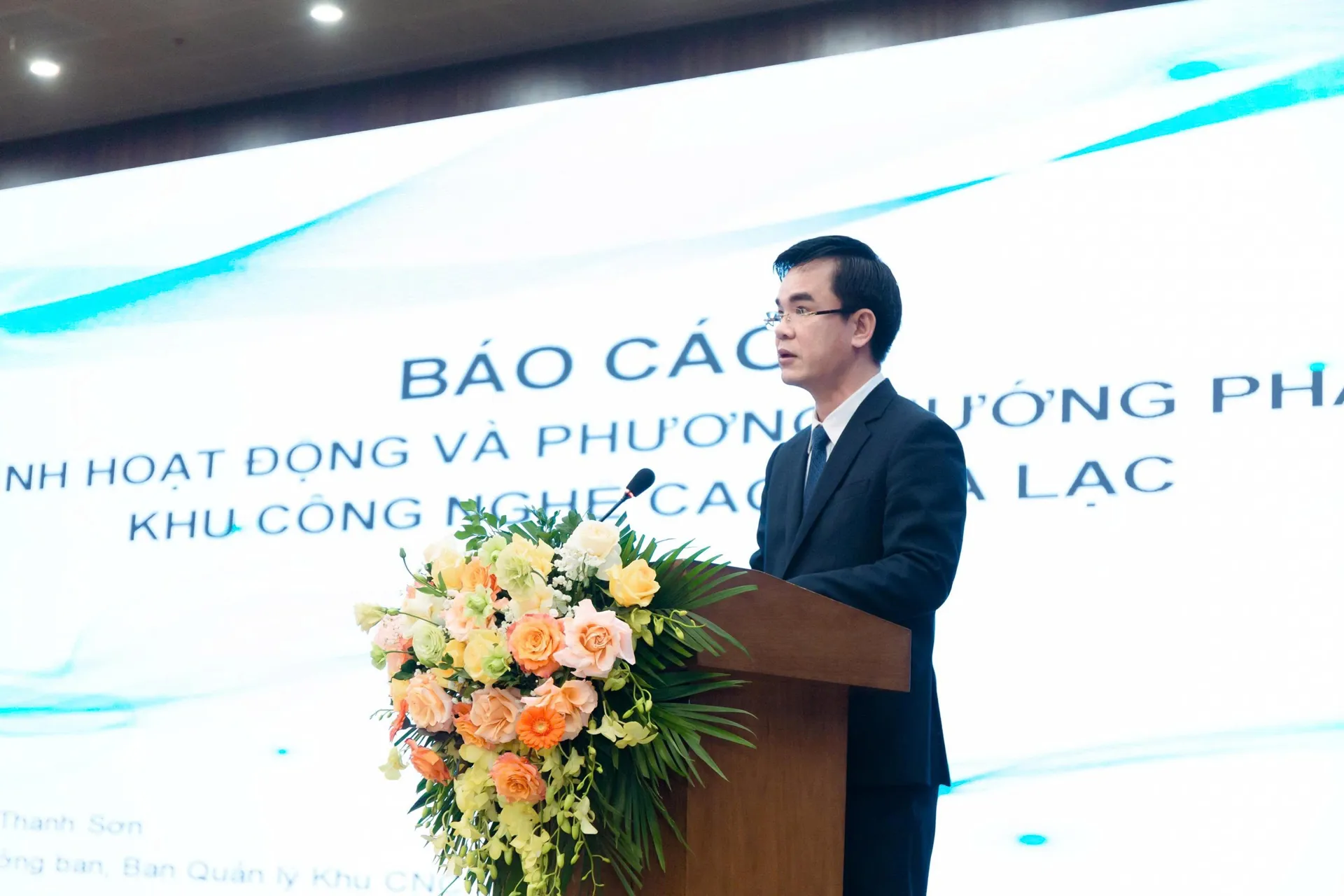
Le Thanh Son, Vice President of the HaNoi Hi-tech and Industrial Park Management Board
In the context of Vietnam promoting a growth model linked to sustainable development, what directions is the Management Board setting for high-tech and industrial parks to both attract investment and ensure green and innovative development?
Our priority is to shift from traditional industrial zones to ecological, high-tech and smart industrial zones. This is not only an inevitable trend but also a requirement to ensure sustainable growth that balances economic, environmental and social factors.
This transformation requires modern infrastructure, clean energy, well-planned development and an innovation ecosystem. In 2025, despite undergoing organizational restructuring under the Government’s plan, the Management Board is committed to fulfilling its tasks. As of November 2025, high-tech and industrial park attracted about US$364 million, equal to 69 percent of the annual target of $530 million. Of this, new investment accounted for $12 million and capital increases $352 million.
To achieve these results, we have focused on institutional reform, digital transformation in investment management and public administrative services. In October 2025, we launched an AI-integrated smart operating system to enhance governance, shorten processing time and support businesses under a spirit of cooperation for shared success and shared development.
Which sectors and partners are the Management Board prioritizing in its foreign direct investment (FDI) strategy, and what policies are in place to improve the quality of FDI?
We are pursuing selective FDI attraction, focusing on high-tech industries, supporting industries, renewable energy, semiconductor manufacturing, biotechnology and new materials. These sectors bring high added-value and help Hanoi integrate more deeply into global value chains.
Alongside strengthening cooperation with major corporations, we have identified eight priority markets for investment promotion: Japan, South Korea, the United States, China, Taiwan, India, Ireland and Singapore. Investors from these countries bring not only capital but also knowledge, technology and international management experience.
We are also working with ministries to design special incentives for R&D and innovation projects while boosting in-house investment promotion to help existing businesses expand production. This approach creates positive spillover effects and strengthens investor confidence in Hanoi’s business environment.
How have mechanisms, policies and infrastructure supporting investment improved? Do you have recommendations to further facilitate investment?
We have significantly shortened processing times, introduced digital signatures and moved most administrative procedures online. Several industrial zones have completed centralized wastewater treatment systems, adopted solar energy and smart transport solutions to meet green industrial zone standards.
However, land clearance remains the biggest bottleneck affecting project progress. External infrastructure such as electricity, roads, water supply and social housing is not yet fully synchronized with internal infrastructure, which challenges efforts to attract strategic investors.
We have proposed that the Hanoi People’s Committee prioritize resources for connectivity and social infrastructure and continue improving the integrated one-stop-shop mechanism between central and local authorities. At the same time, we are quickly putting the smart operations center into use to ensure transparent, coordinated management from licensing and environmental oversight to business support.
High-quality human resources are essential for high-tech parks. What models or strategies is the Management Board applying to link businesses, schools and authorities to meet future workforce needs?
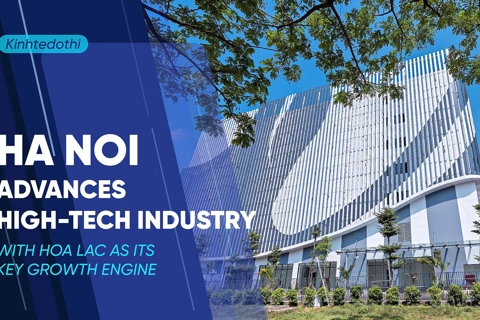
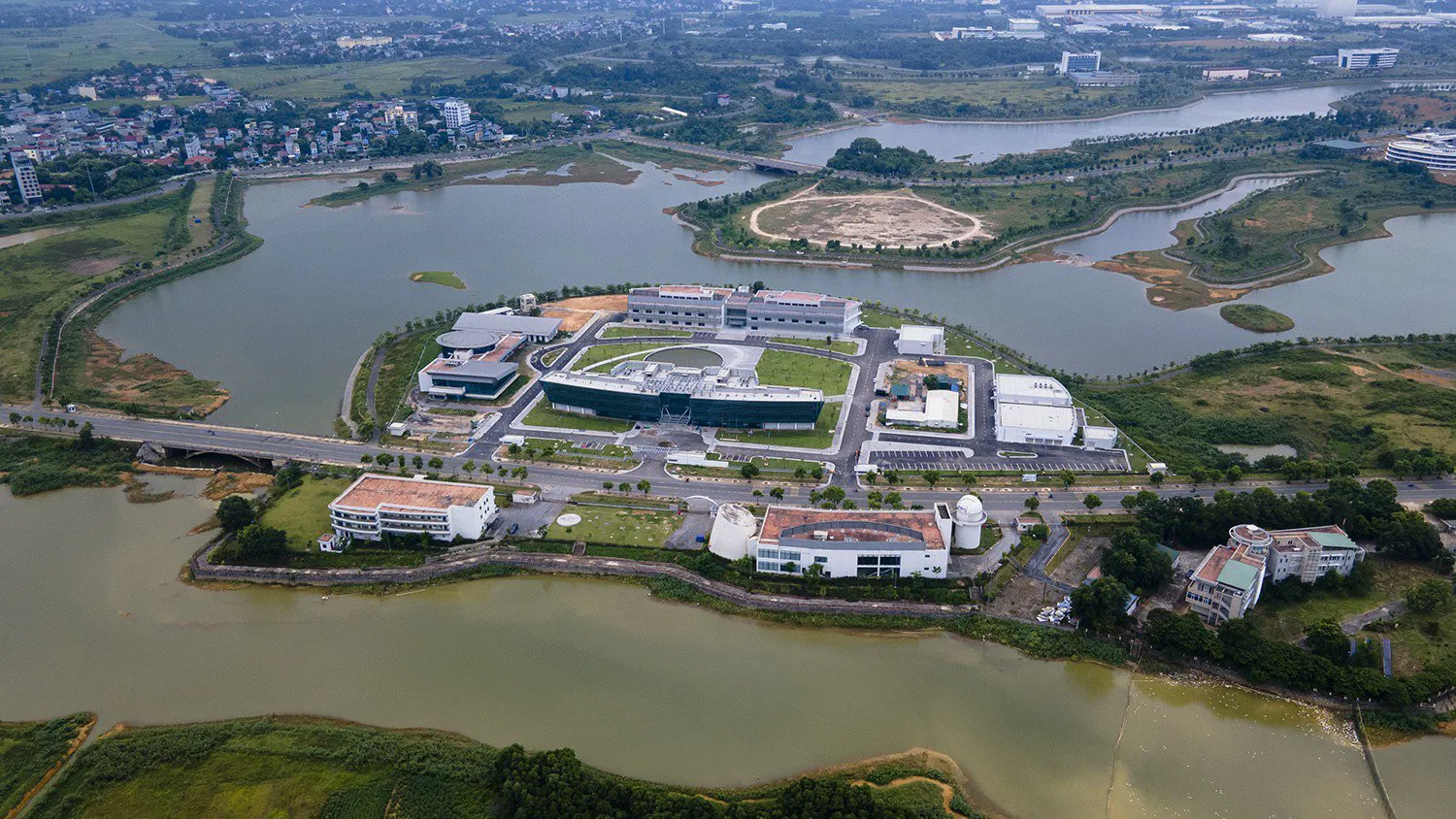
Yes, people are at the heart of every development strategy. We are implementing a three-party cooperation model connecting the state, businesses and universities to train workforce that aligns with real-world needs. In Hoa Lac, a strong cooperation network has formed among major technology groups such as Hanwha, Noble, FPT and Viettel and universities and research institutes.
International experts are directly involved in training and technology transfer, helping Vietnamese engineers master new technologies. We are also advising the city on policies to attract high-tech talent and support innovation activities, including incentives for housing and lodging projects for workers in high-tech parks and industrial zones. These policies are expected to create momentum for attracting high-quality human resources to Hoa Lac High-Tech Park and form a key competitive advantage for drawing major technology investors.
The presence of leading technology corporations from South Korea, Japan and other countries has played an important role in establishing and developing Hoa Lac High-Tech Park. These companies provide capital, advanced production processes and global networks. Examples include Hanwha Aero Engines’ aircraft engine plant, Noble Electronics’ components and electronics factory and the R&D centers of FPT Software and Viettel.
International experts have significantly contributed to developing high-quality human resources at Hoa Lac. Through training, mentoring and knowledge exchange programs, they have helped engineers and scientists stay up to date with global technological trends and strengthen research, development and project management capabilities.
They have also played an active role in shaping the innovation ecosystem at Hoa Lac, providing strategic advice on development models, investment policies and stronger links among businesses, research institutes and universities. These contributions help elevate Hoa Lac from a basic technology park into a modern science and technology hub with regional and global competitiveness.
Our goal is to build Hoa Lac into a modern, livable science and technology city where experts, scientists and technology entrepreneurs from Vietnam and abroad can live, work and innovate long-term. This is also a factor many global technology corporations consider when choosing investment locations.
Looking ahead to 2030–2045, what is the Management Board's vision for turning high-tech parks and industrial zones into centers of innovation, smart production and global value chain participation?
Our goal for 2030 is to develop a network of regionally connected high-tech parks and industrial zones that combine manufacturing, research, logistics and smart urban services. By 2045, Hanoi aims to establish smart industrial cities connected with international R&D hubs, positioning the capital as a leader in innovation and green transformation.
We are focusing on three main directions:
First, developing ecological industrial zones based on industrial symbiosis, optimizing resource use, reducing emissions and promoting circular economy practices.
Second, enhancing selective FDI attraction targeting major technology players such as NVIDIA, Intel and Samsung, which can create complete value chains and foster technology diffusion.
Third, accelerating digital transformation in planning, investment and management to build smart, connected infrastructure and improve global competitiveness.
With the revised Capital Law and the Politburo’s Resolution 57, we believe Hanoi’s high-tech park and industrial zones now have a strong legal foundation to unlock potential, remove institutional bottlenecks and become top destinations for high-tech FDI.
We have also been assigned to lead the drafting of several resolutions on special mechanisms and policies to be submitted to the Hanoi People’s Council. These will serve as powerful tools to attract experts, intellectuals and technology enterprises to the city.
Is the Management Board ready for the incoming wave of high-quality investment?
We have prepared thoroughly. Institutional, infrastructural and human resource conditions are being strengthened to help Hanoi welcome a new wave of larger, higher-quality investment.
First, on institutions, we continue reforming regulations and administrative procedures. We are translating provisions of the revised Capital Law into resolutions of the People’s Council for quick implementation, refining internal procedures to ensure clear responsibilities and assisting investors under the principle of cooperation for mutual benefit. This helps investors feel confident when choosing to invest or expand at the city’s Hoa Lac Hi-Tech and Industrial Parks.
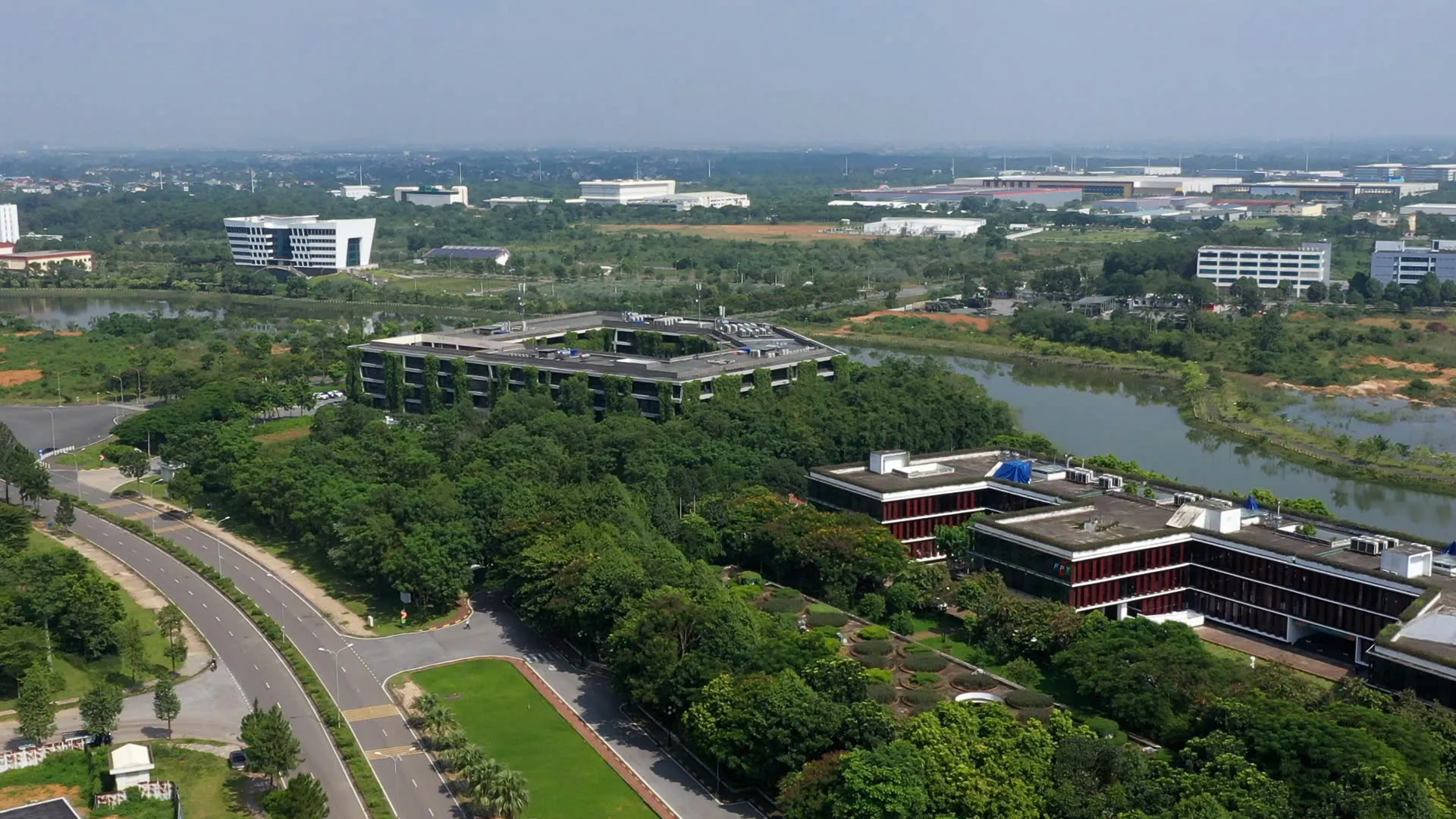
Second, on infrastructure, Hanoi is accelerating strategic projects directly connecting to Hoa Lac High-Tech Park, including Metro Line 5, the Ho Tay–Ba Vi corridor, the expansion of the Hoa Lac–Hoa Binh expressway and new ring roads. Hoa Lac is also being planned as a complete science and technology city with modern utilities, housing, schools and social services. These are essential for long-term investor confidence.
Third, on human resources, the city has identified high-quality workforce as a central factor and is addressing bottlenecks in administrative procedures, visas, residency and qualification recognition for foreign experts. We are promoting the three-party cooperation model linking the state, businesses and universities while encouraging enterprises to collaborate with major training institutions such as Vietnam National University, the Posts and Telecommunications Institute of Technology and FPT University to create research-linked training chains.
Most importantly, we maintain a spirit of openness and partnership with investors. All proposals, especially from major technology firms such as NVIDIA, Samsung, Intel and semiconductor leaders, are reviewed carefully and addressed promptly within our authority.
We understand that to become a strong destination for high-tech investors, Hanoi needs not only good infrastructure but also an open ecosystem, flexible mechanisms and committed people. With strong support from the Government, the Party Committee and the Hanoi People’s Committee, along with determination and unity across our staff, we believe Hanoi’s high-tech parks and industrial zones will develop into centers of innovation and smart manufacturing.
Our goal for the coming period is for Hoa Lac and key industrial zones to drive technological development, spread innovation and connect deeply with global value chains, contributing to Vietnam’s path toward becoming a modern, self-reliant and sustainable industrial nation by the mid-21st century.