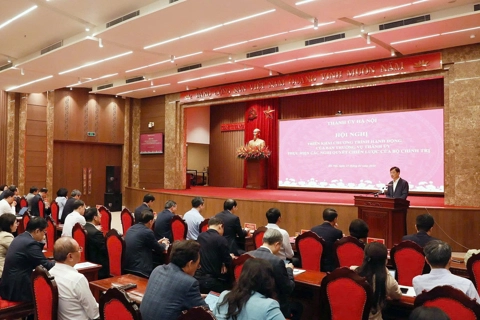
Hanoi’s infrastructure push hinges on strategic investment
Hanoi seeks visionary, well-capitalized partners who will co-shape the city’s future, not speculative players.
THE HANOI TIMES — Hanoi is grappling with mounting infrastructure challenges, from chronic traffic congestion to worsening environmental strain. Addressing them will require not just vast capital but also advanced technologies, making strategic investors with proven experience indispensable.
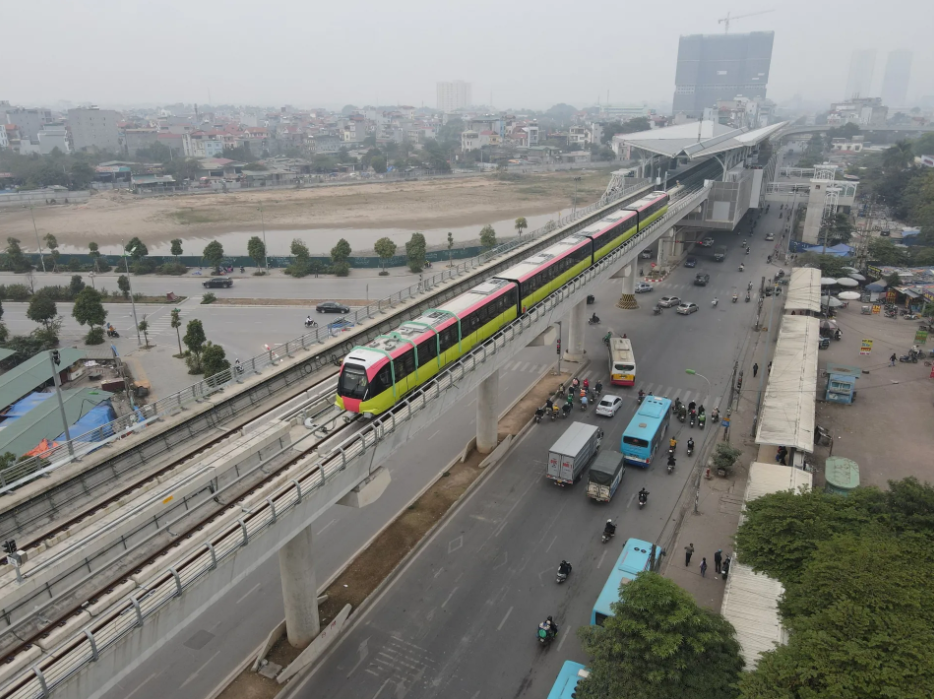
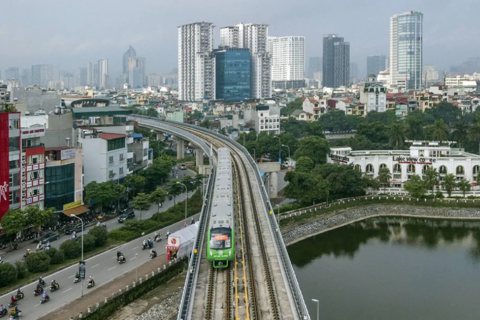
Urban rail development is the fundamental solution to Hanoi’s chronic traffic congestion. Photo: Thanh Hai/The Hanoi Times
A legal foundation for growth
With a population surpassing eight million, the capital is under rising pressure for efficient transit, modern housing and cleaner air.
To address these demands, city leaders have adopted a strategy often described as “preparing the nest for the eagles,” designed to lure major investors and create momentum for comprehensive development.
This approach now rests on a solid legal foundation under the Hanoi People’s Council recently passed Resolution No. 17/2025/NQ-HDND, implementing Articles 42.1 and 42.2 of the revised Capital Law.
The resolution acts as a charter for sustainable growth, granting Hanoi greater autonomy to address its unique urban challenges by setting priority sectors and establishing clear criteria for the investors it seeks.
If implemented effectively, this flexibility could accelerate the flow of capital into critical infrastructure.
Transport and planning priorities
Investment is most urgent in transportation, where congestion continues to sap productivity and quality of life.
Urban rail and mass transit are considered the only sustainable solutions. Yet the required funding far exceeds public budgets, making international resources and advanced technologies essential.
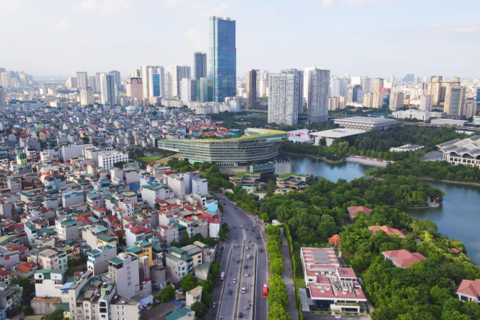
Urban planning is also critical as it relieves pressure on the historic core through satellite towns is a strategic imperative.
Properly designed and equipped with full services, these towns could become new engines of growth while easing strain on the city center. If implemented effectively, such planning could reconfigure Hanoi’s entire economic and social landscape.
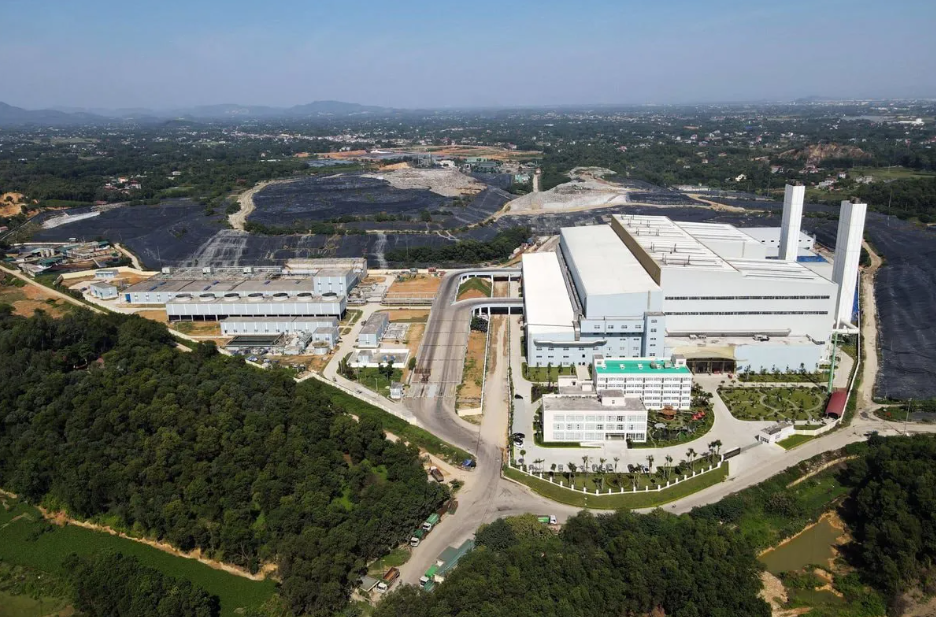
Soc Son Waste-to-Energy Plant, Hanoi. Photo: Lam Thanh/The Hanoi Times
Filtering for quality
Resolution No. 17/2025/NQ-HDND moves beyond broad principles to establish practical mechanisms. Its criteria form what officials describe as a “golden filter,” designed to ensure only credible partners pass through.
The first criterion is financial capacity. For projects of national significance, from rail systems to high-tech parks, investors must demonstrate charter capital of at least VND5 trillion (US$197 million) or total assets of VND20 trillion ($787 million).
These thresholds serve as safeguards against underqualified firms and help reduce the risk of costly mid-project failures.
Experience and technology matter just as much. Hanoi favors investors with a proven record in large-scale projects and access to advanced solutions.
Such partners bring not only funding but also expertise in project management, risk control, and technology transfer. By absorbing these lessons, Hanoi can strengthen its own capabilities while avoiding mistakes made elsewhere.
The resolution also clarifies institutional responsibilities. Applications will be received and assessed by relevant agencies before being forwarded to the municipal People’s Committee, which then submits proposals to the Hanoi People’s Council for approval of incentives and support.
This layered process is designed to ensure transparency and align investment privileges with long-term priorities.
Even with a strong framework, Hanoi faces hurdles. The competition for global capital is intense, and investors can choose from many destinations.
To stand out, the city must not only be transparent but also offer competitive incentives and streamlined procedures. Land clearance remains one of Vietnam’s most persistent bottlenecks, while multi-agency coordination often slows implementation.
Unless governance becomes leaner and more efficient, even the most ambitious projects risk losing momentum.
Still, these challenges also create an opportunity. By demonstrating political will, stronger accountability, and disciplined execution, Hanoi can signal to investors that it matches their ambition.
A transparent and selective investment environment is the surest foundation for attracting long-term partners.
The stakes go beyond easing congestion or tackling pollution. The real test is whether Hanoi can prove that its development model is credible and sustainable.
Success would position the capital as a model for urban transformation in the region. Failure would leave it trapped in gridlock, both literal and economic.
Strategic investors will not wait indefinitely. Hanoi must pair investor ambition with effective governance, or risk its future being stuck in traffic.