Hanoi sets green urban vision at heart of new capital roadmap
Hanoi’s green planning vision appears not only in major projects but also in small changes across neighborhoods, homes and public spaces, gradually shaping a modern, nature-friendly city.
THE HANOI TIMES — Hanoi has made green urban development a central pillar of its Capital Planning for 2021–2030, with a vision to 2050, marking a decisive move toward building a livable, sustainable city in balance with nature.
The plan prioritizes eco-friendly infrastructure, community-based green initiatives and climate resilience, turning the city from expansion to quality of life improvement.

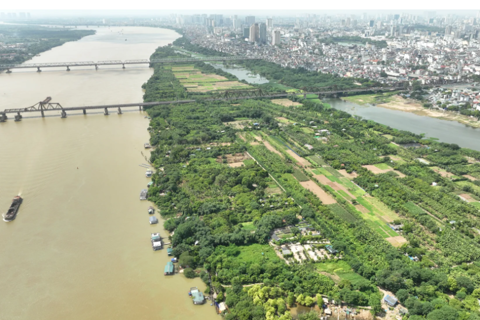
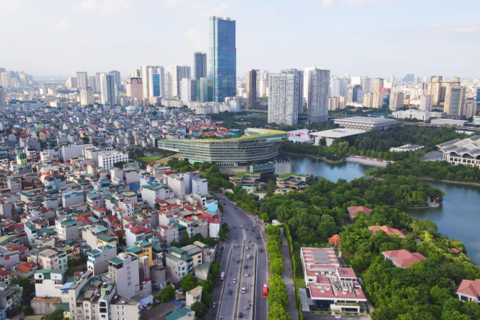
Hanoi from above. Photo: Thanh Hai/The Hanoi Times
Room for change
Hanoi’s green development vision extends beyond major projects to small, visible changes in neighborhoods, homes and public spaces, gradually shaping a modern, livable urban identity in balance with nature.
This vision matters more than ever. As the city grows, green space is becoming scarce.
Many central districts lack public gardens, while newly developed areas have few parks or shade trees. Summer heat intensifies, fine dust regularly exceeds safe limits and heavy rains still flood streets.
Professor Phung Huu Phu, former Standing Deputy Secretary of the Hanoi Party Committee, said Hanoi must address four long-standing challenges, such as traffic congestion, poor urban management, environmental pollution and flooding, to improve quality of life.
“Without clear solutions, it will be difficult for residents to feel a real difference,” Phu said.
Experts point out that Hanoi still has space to reset its urban path. The city’s lakes and river corridors, including To Lich and Kim Nguu, can anchor new ecological routes. Even yards, alleys and rooftops can serve as fresh-air pockets in dense districts, forming the basis for green belts and open spaces.
Architect Phan Dang Son, President of the Vietnam Association of Architects, stresses that in a city with limited land, smart and people-centered planning matters more than grand construction.
“Sustainable architecture is not a distant ideal. It starts with daily choices in every building and street,” Son said.
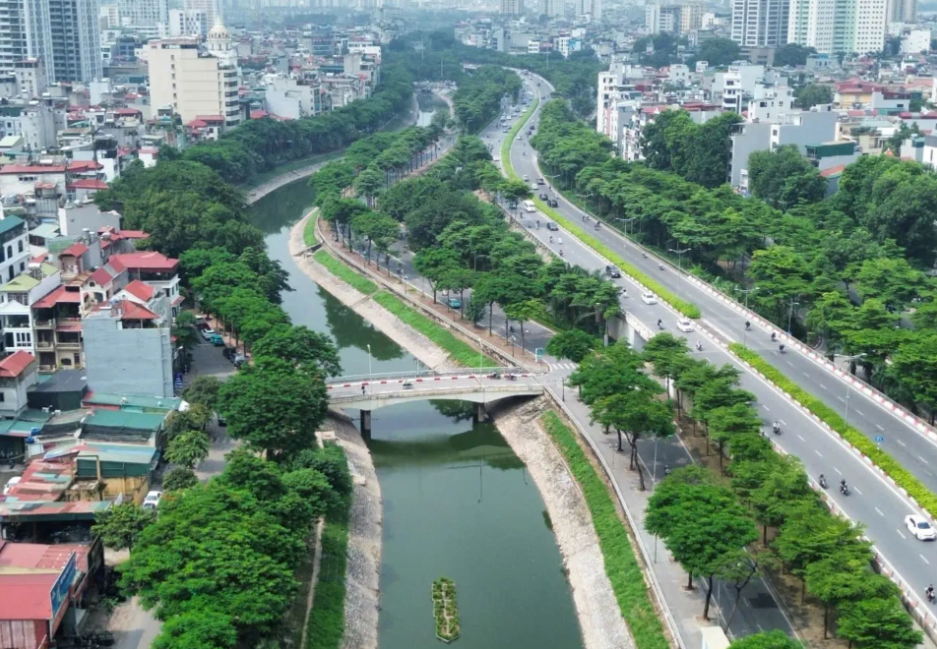
Rows of green trees along the To Lich River. Photo: The Hanoi Times
Small actions, big impacts
Small, practical actions are reshaping communities worldwide. As such, sidewalk can become a shared garden, a green wall can cool a block and a rain garden can ease flooding, which can be applied in Hanoi with supportive policies and community participation as architect Phan Dang Son said.
Some neighborhoods are already moving forward. Residents in Kim Lien and Thanh Cong have pooled funds to plant trees and renovate shared courtyards. Around Hoan Kiem Lake, the pedestrian zone now serves as a shared space for fresh air and community activities, showing that a livable city does not always require costly projects.
Simple steps like rooftop gardens, green walls or permeable schoolyards reflect sustainable design. Schools can add shade trees and natural play areas. Homes can capture rainwater and maximize daylight to cut energy use.
Architect Nguyen Viet Huy notes that small measures help improve microclimates and rebuild community ties.“When residents plant and care for trees, they feel ownership. Sustainable architecture becomes a lifestyle, not a slogan.”
Huy added that technology can support this shift. Planning maps, spatial data and sensors can pinpoint areas lacking trees or at risk of flooding or air pollution, helping authorities fine-tune policy and enabling public feedback.
He also suggests incentives for businesses to join the effort, such as tax breaks for green renovations or branding rights for areas where they invest in public greenery or energy-efficient lighting.
Small projects gain impact when included in zoning plans or urban regulations. Community gardens and zero-waste street days can build social bonds while improving the environment.
A green city is not defined by plants, it needs green citizens. One more tree per household, a clean sidewalk or a yard that absorbs rainwater can speed up change.
“Hanoi needs a long-term plan with clear goals,” said Huy.
Green urban development requires concrete programs, measurable targets and clear accountability. With a roadmap and coordination among authorities, experts and the public, a green city is achievable.
"Hanoi stands at a promising crossroads. By starting small, staying consistent and prioritizing people, the capital can become a sustainable model where modernity and heritage coexist in a harmonious urban landscape," said Huy.