14TH NATIONAL CONGRESS OF THE COMMUNIST PARTY OF VIETNAM
Log in
Hanoi

Hanoi steps up efforts to ensure traffic safety

In 2025, the city will focus on dealing with 8 to 10 traffic congestion hotspots and addressing areas or routes prone to traffic jams.

Hanoi is taking proactive steps to improve traffic safety with a series of concrete measures. These include ramped-up patrols and stricter enforcement of regulations across roads, railways, and waterways, all designed to ensure greater adherence to the rule of law.

This initiative is outlined in the city’s recent Document No. 18/KH-UBND, which focuses on enhancing traffic safety and addressing congestion.

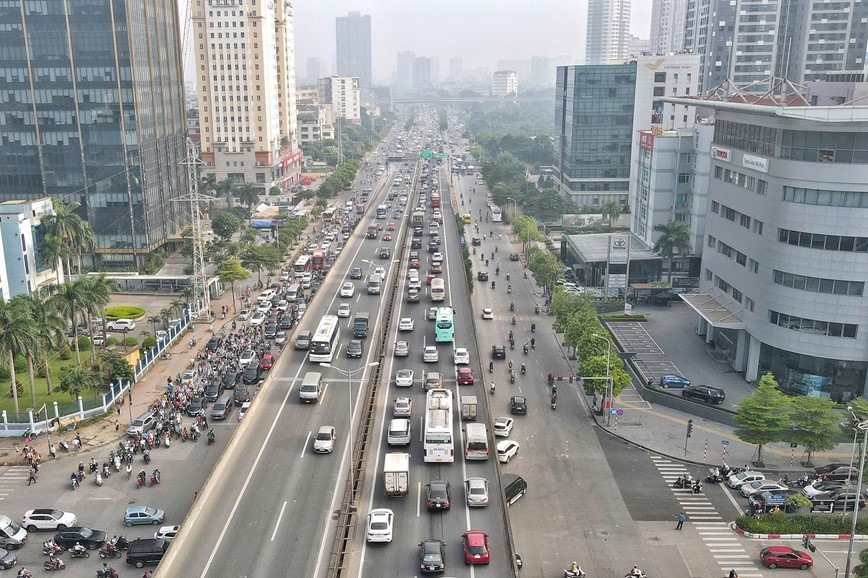
 Hanoi from above. Photo: Pham Hung/The Hanoi Times

The plan is ramping up efforts to tackle traffic issues and enhance safety with a comprehensive plan that emphasizes accountability and coordination across key sectors. The city's recently issued Document No. 18/KH-UBND outlines specific measures targeting road safety, accident reduction, and congestion alleviation, particularly during peak periods like holidays, the Tet festival, and major political, cultural, and sports events.

The plan calls for department directors, heads of relevant agencies, and district chairpersons to take responsibility for implementing effective solutions. Key actions include increasing patrols, enforcing strict penalties for violations across road, rail, and waterway traffic, and ensuring law enforcement maintains discipline to uphold traffic order.

To address traffic congestion, authorities will focus on synchronizing efforts to ease flow and meet public travel demands. The initiative also includes the use of technology, with plans to accelerate the development of an intelligent transportation system in Hanoi.

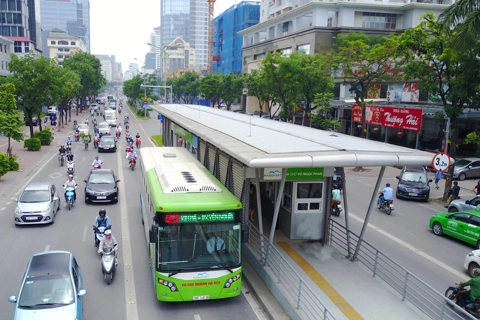
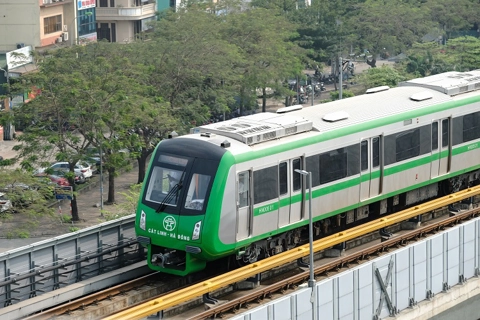
Among the city's specific goals are boosting public transport usage to account for 20% of total transport demand by 2025, reducing traffic accidents by 5% across all categories, eliminating 8 to 10 major congestion hotspots, and addressing accident-prone areas promptly.

Public awareness is a central component of the plan, with campaigns leveraging media outlets, social networks, and digital platforms to promote traffic laws. Schools, businesses, and public organizations are urged to integrate road safety education, with a particular emphasis on teaching students traffic laws and preventing underage driving.

To further reduce congestion, city officials aim to encourage greater use of public transport, discouraging dependence on personal vehicles by residents, officials, and students.

In parallel, the Department of Planning and Architecture, in collaboration with the Department of Transport, will review and adjust Hanoi's 2030 Transport Plan to align with national directives through 2045 and the vision for 2065. The authorities will also focus on monitoring and evaluating investment projects to accelerate progress.

The Department of Transport, working closely with municipal police and district authorities, will optimize traffic organization through both immediate and long-term strategies. The ongoing implementation of eight strategic solutions from previous directives will remain a priority.

Finally, municipal police will play a crucial role in enforcing traffic laws, particularly in preventing violations that lead to accidents and congestion, to ensure safer and more efficient urban traffic management.
Reactions:
Share:
Trending
Most Viewed
Related news
Key for addressing traffic congestion in Hanoi

Key for addressing traffic congestion in Hanoi

02 Jan, 06:53

Recommendations to ease traffic congestion in Hanoi were made by leading experts, including those involved in drafting the Capital Law which is a legal foundation for the city’s growth momentum.

Tet Trade Fair brings traditional goods to Suburban Hanoi

Tet Trade Fair brings traditional goods to Suburban Hanoi

The event aims to enhance shopping experiences of locals during Vietnam's biggest traditional holiday while stimulating domestic consumption, expanding markets and promoting Vietnamese brands.

China ready to support Hanoi’s urban planning, metro development

China ready to support Hanoi’s urban planning, metro development

China has expressed readiness to support Hanoi in urban planning and sustainable development as the Vietnamese capital accelerates efforts to become a greener, more livable global city.

Australian visitors enjoy hands-on banh chung making

Australian visitors enjoy hands-on banh chung making

The experience became an emotional highlight, helping connect visitors with local culture and leaving vivid and memorable impressions.

Hanoi seeks continued JICA support for science-driven development

Hanoi seeks continued JICA support for science-driven development

JICA is expected to continue contributing positively to Hanoi’s development under its 100-year vision.

Hanoi Party Chief pledges full support for artists, scientists

Hanoi Party Chief pledges full support for artists, scientists

Hanoi is sharpening its development strategy around institutional reform, long-term planning and innovation-led growth, as city leaders underline the role of science, culture and human capital in shaping the capital’s next phase.

Eco-friendly products draw crowds at Hanoi’s Spring Fair 2026

Eco-friendly products draw crowds at Hanoi’s Spring Fair 2026

Featuring 3,000 booths on fostering high-quality eco-conscious Vietnamese products, the fair aims to enhance consumer trust in domestic brands, promote economic growth and sustainable green consumption trends.

Hanoi merges six city press outlets into new Media Group

Hanoi merges six city press outlets into new Media Group

Hanoi has launched a new city-level media agency by merging six local press organizations, a move city leaders say will strengthen political communication, modernize journalism and support the capital’s long-term development strategy.

Hanoi tightens population management to protect voters’ rights

Hanoi tightens population management to protect voters’ rights

Senior city officials reviewed election readiness across six wards, focusing on voter registration, coordination among agencies and challenges caused by high population mobility.