Hanoi to roll out time-based bans on polluting vehicles near pedestrian hotspots
These locations already have the foundations for sustainable traffic and tourism management.
THE HANOI TIMES — Hanoi plans to introduce time-based restrictions on fossil-fuel vehicles that do not meet Euro 4 standards.
It will start with areas that include established pedestrian zones and environmentally protected sites where sustainable traffic and tourism management are already in place.
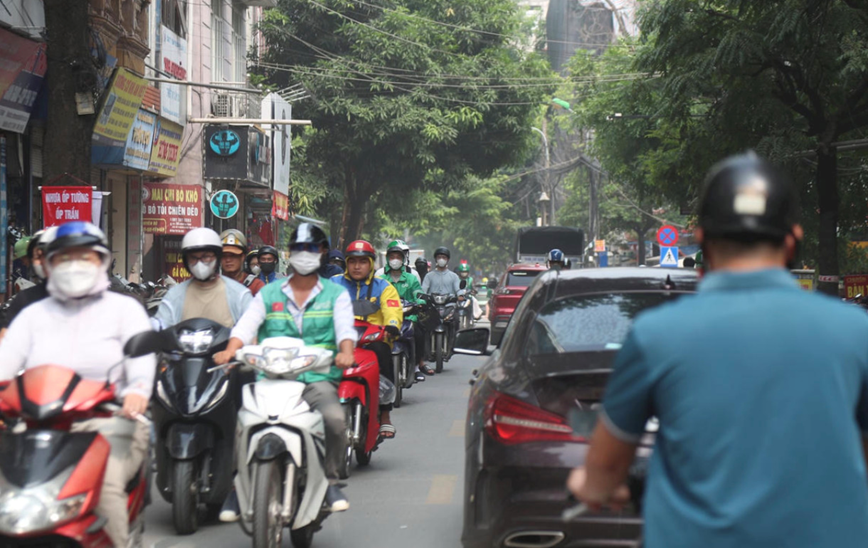
Traffic along a busy street in Hanoi. Photo: The Hanoi Times
Vice Director of the Hanoi Department of Agriculture and Environment Nguyen Minh Tan shared the view during the city’s press briefing on piloting low-emission zones on December 5.
According to Tan, Hanoi will pilot a low-emission zone within Ring Road 1 starting July 1, 2026.
“The move is seen as an important step toward improving air quality, reducing pollution from traffic and creating a cleaner and safer living environment for residents,” he said.
To prepare for this rollout, the department is working closely with the municipal Department of Construction and the ward authorities inside Ring Road 1 to develop the low-emission zone proposal.
The draft is expected to seek broad feedback from residents, agencies, organizations and scientists while reviewing current conditions.
It will also study solutions tailored to the specific conditions of each street and neighbourhood.
The pilot phase will include a plan to restrict motorbikes, mopeds and cars that do not meet Euro 4 emission standards and still run on fossil fuels during certain hours.
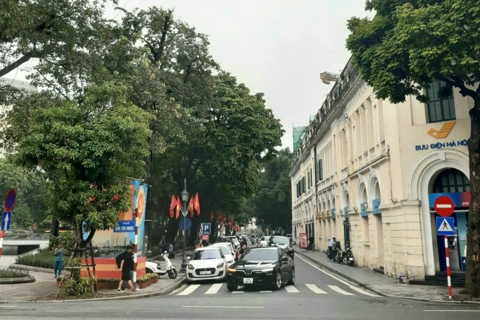
The city will prioritize areas with existing pedestrian streets and strict environmental protection requirements, such as world heritage sites and national special relics.
“These locations already have the foundations for sustainable traffic and tourism management,” Tan said.
The city will also select streets that can connect between wards to ensure smooth traffic organization and effective control of vehicles inside the pilot zone.
Tan added that authorities will review current infrastructure and plan locations for electric charging stations that meet technical standards.
They will increase rental points for electric bicycles and electric motorbikes along with public parking areas. The city also prepares investments for air quality monitoring stations within the low-emission zone to measure the impact of the policy.
In addition, the Department of Construction is drafting a resolution that will propose policies and support measures to encourage the transition to clean energy transport in Hanoi.
The resolution is expected to be submitted to the municipal People’s Council at its first session in 2026.
“These steps aim to ensure the pilot is implemented cautiously, realistically and in line with the characteristics of Hanoi’s inner city,” he said.
The proposal is expected to be reviewed by the municipal People’s Council in the first quarter of 2026. Relevant agencies will continue improving transport infrastructure, adding road signs, reorganizing traffic and carrying out outreach activities to help residents understand the benefits and operations of the low-emission zone.
Low-emission zones are widely adopted in major cities around the world to reduce air pollution, protect public health and promote sustainable mobility.
“Hanoi expects the model to significantly improve air quality in the city center and provide a foundation for expansion to other areas in the future,” Tan said.
Speaking at the meeting, Deputy Head of the municipal Party Committee’s Commission for Information, Education and Mass Mobilization Vu Minh Tuan said this is an important policy that aims to improve air quality, safeguard public health and support sustainable development of the capital.
He noted that the city is rapidly preparing detailed plans, reviewing infrastructure and getting ready for transport organization, charging facilities, monitoring stations and road signs, along with support policies for shifting to clean energy vehicles.
Given the scale of the policy and its direct influence on daily life, he asked news outlets to provide accurate and comprehensive information that highlights public health benefits, cleaner air and reduced congestion.
He also requested clear explanations of the schedule, scope and target groups to prevent misunderstandings and avoid unnecessary concern about the new regulations.
The Hanoi People’s Council on November 26 approved Resolution 57/2025/NQ-HĐND that regulates the implementation of low-emission zones across the city. The resolution is scheduled to take effect on December 10, 2025.
The implementation plan for 2026 to 2030 includes a pilot phase from July 1, 2026 to December 31, 2027 in selected areas within Ring Road 1. In 2028 and 2029 the low-emission zone will expand to all of Ring Road 1 and parts of Ring Road 2.
Starting January 1 2030, it will apply to all wards and communes inside Ring Road 3. From 2031 onward, any area that meets the criteria set out in Article 4 of the resolution must establish a low-emission zone.