Hanoi urged to uphold leadership role with unity and reform, says Party chief
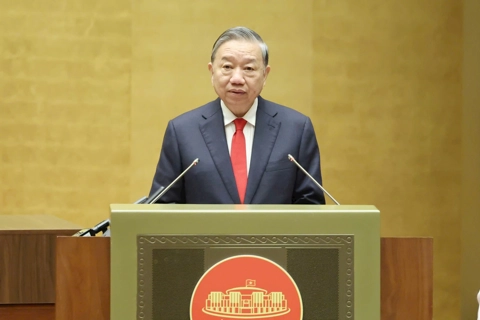
As Hanoi rolls out its two-tier local government model, Party General Secretary To Lam underscores the city’s pivotal role in driving national reform. In a July 2 meeting with voters, he called for greater unity, innovation, and commitment from both leadership and grassroots levels to ensure the success of this administrative transformation.
THE HANOI TIMES — As Vietnam enters a new chapter of administrative reform, Party General Secretary To Lam is looking to Hanoi not just for compliance but for leadership.
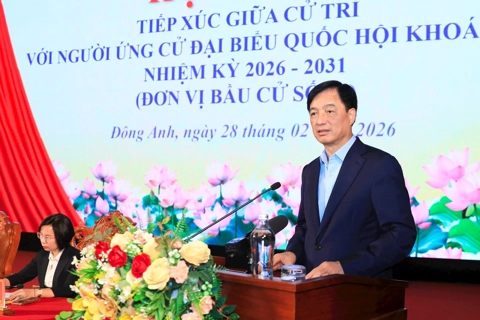
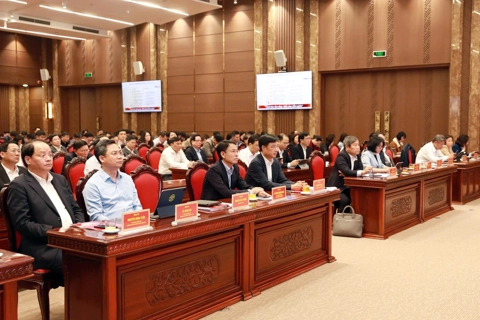
At a voter meeting on July 2, held just one day after the capital launched its new two-tier local government model, the Party chief delivered a clear message: embrace reform, stay united, and lead by example.
“Our people are enthusiastic,” he said. “So why are some officials still hesitant? Officials must place themselves within the shared excitement of the people.”
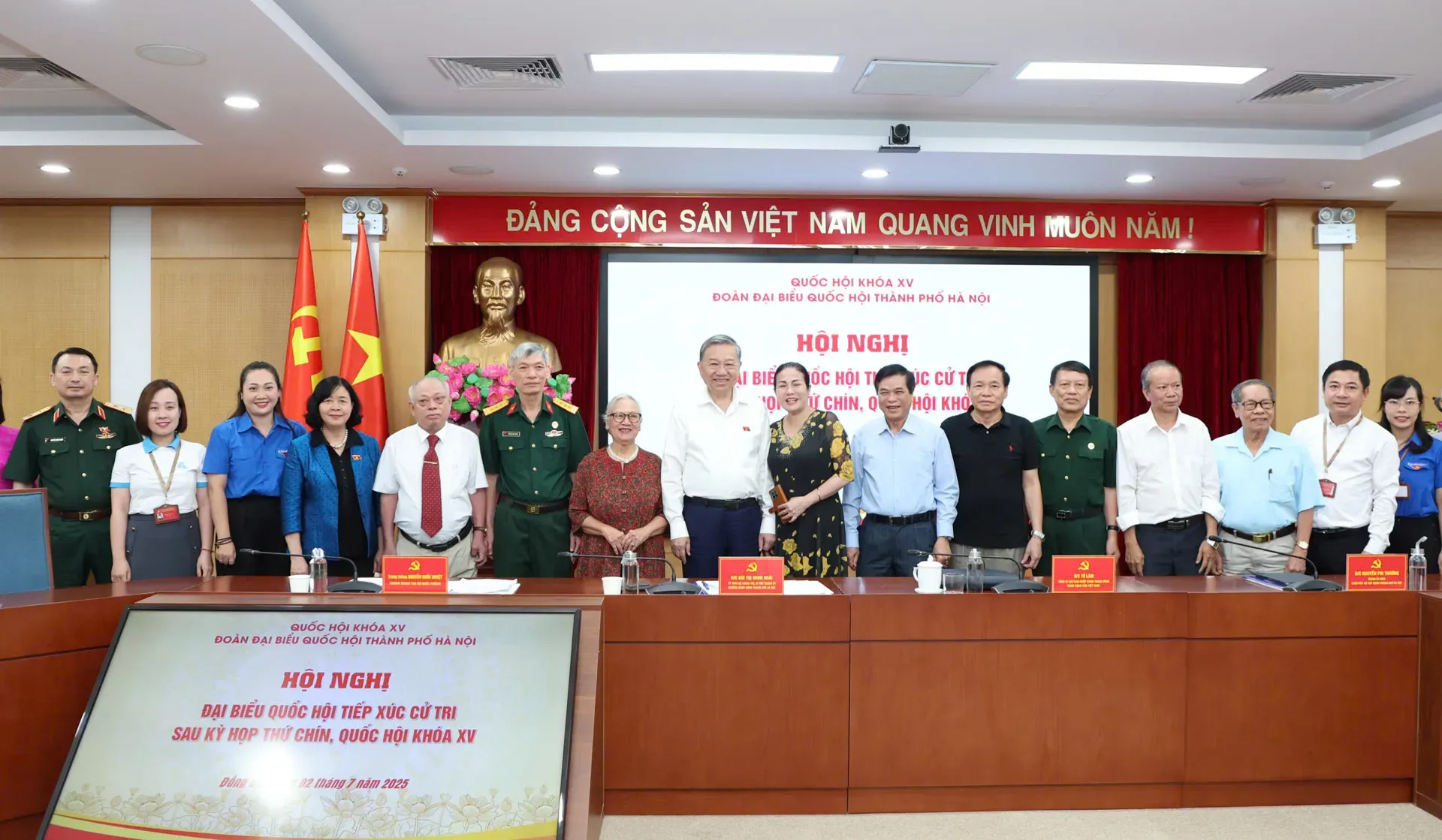
He emphasized that the success of the restructuring, consolidating local administrative units and streamlining the political apparatus, depends on both strong political will and the active participation of competent, dedicated civil servants.
“There are officials who have voluntarily stepped down to make way for necessary changes. That is the spirit we need,” Lam said.
Voters praised the recent session of the 15th National Assembly and expressed strong confidence in the new governance structure. Many believed the two-tier model would accelerate administrative efficiency and reduce bureaucratic bottlenecks.
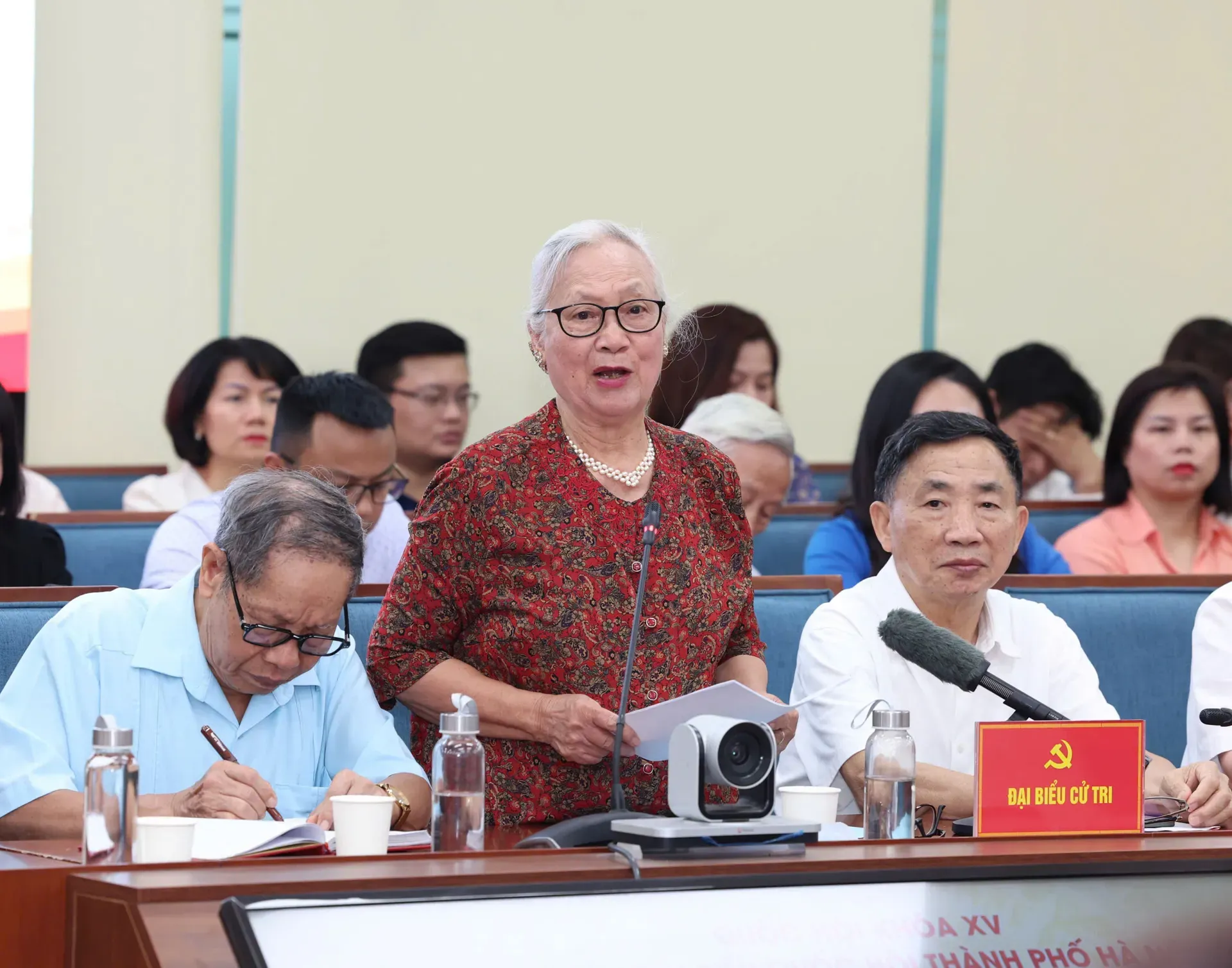
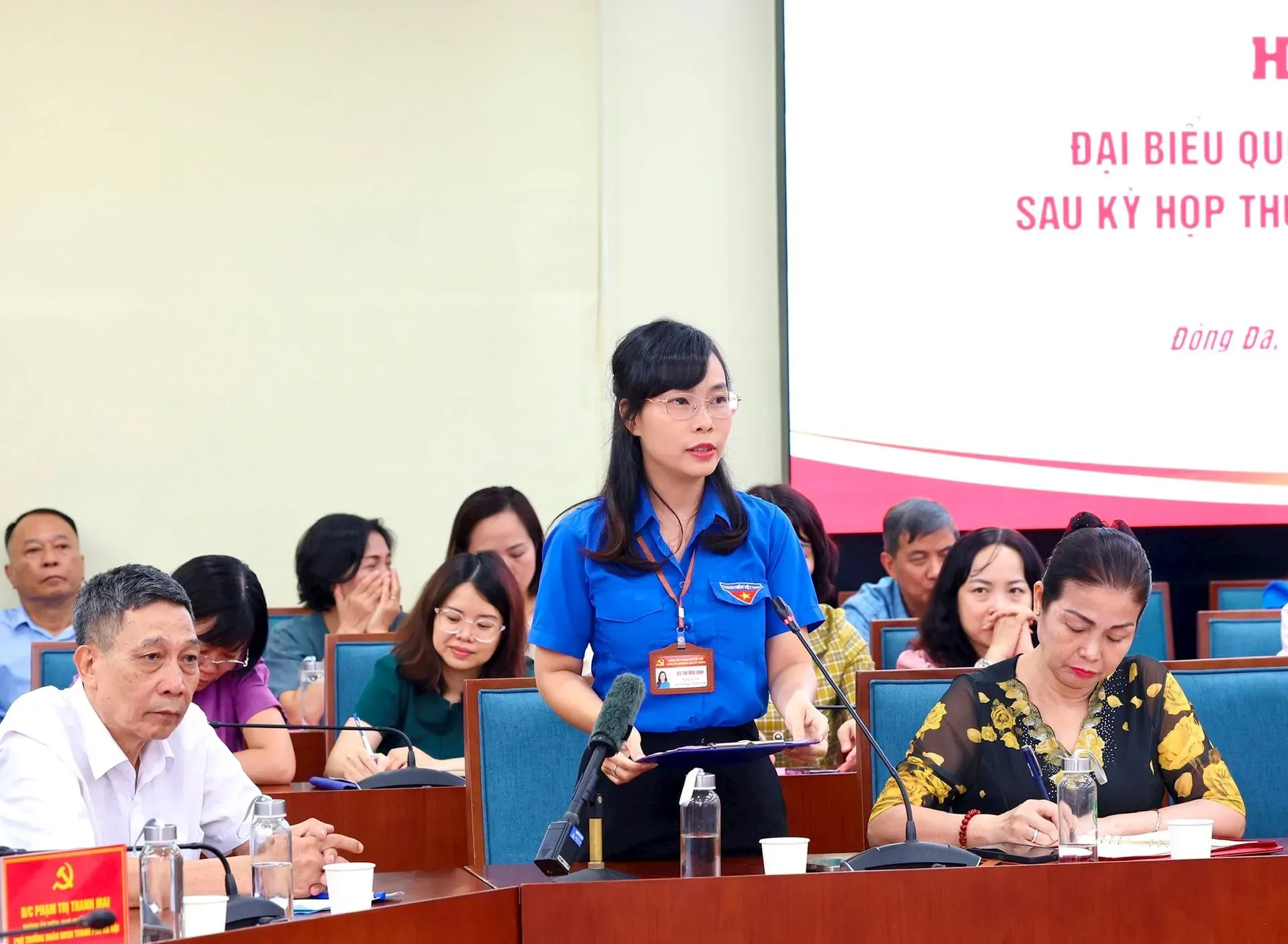
Doan Mai, a voter from Dong Da, urged authorities to ensure a fair and transparent selection process to retain capable, ethical officials, and to remove those who are unqualified or opportunistic.
She also raised concerns about the post-merger use of vacated public offices, calling for them to be converted into kindergartens, health clinics, or community facilities instead of being left idle. She questioned whether local staff could manage increased workloads under the expanded structure.
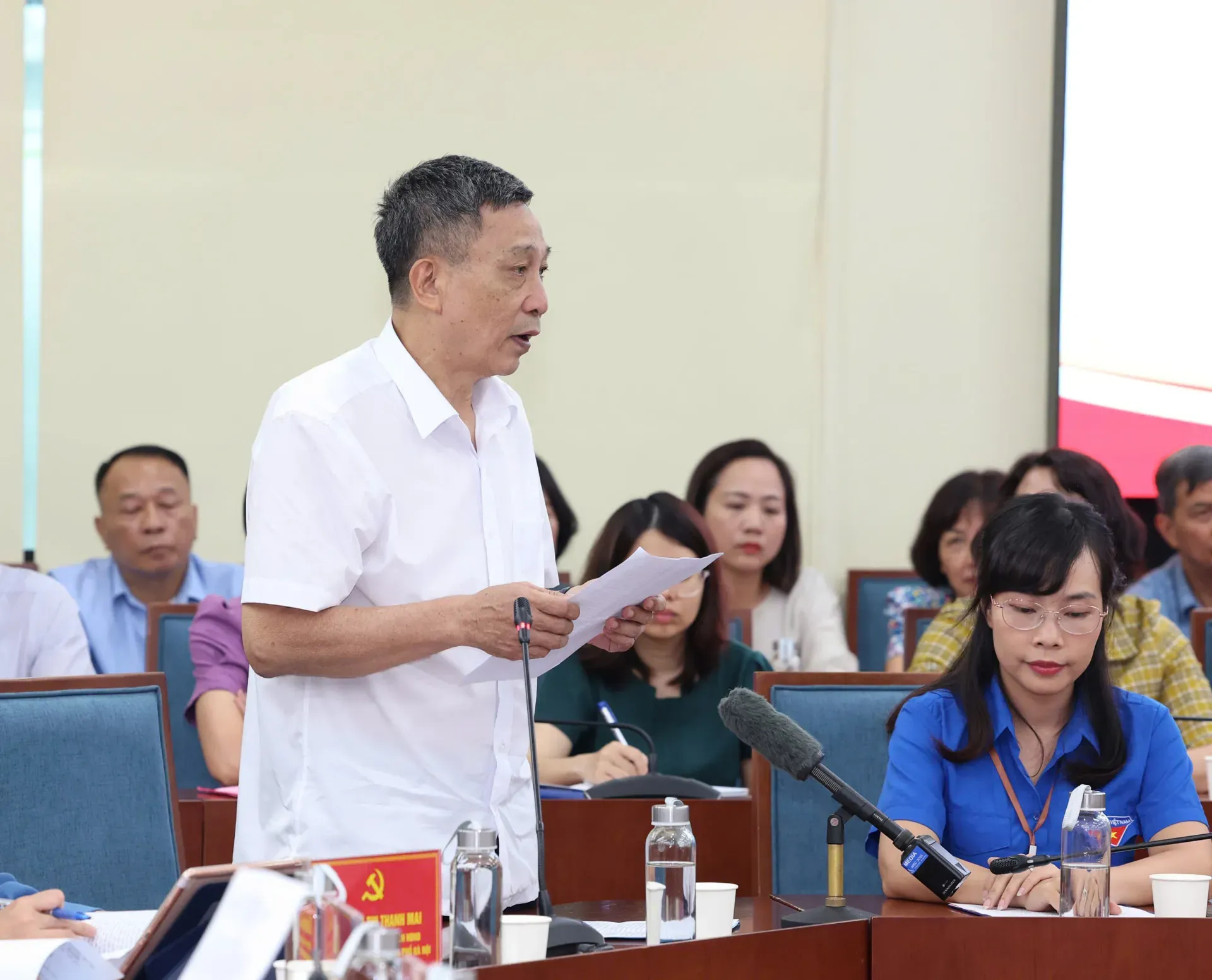
Another voter, Dinh Quoc Phong from O Cho Dua Ward, proposed allowing private enterprises to participate in gold production and trade, noting that the current gap between domestic and international gold prices is fueling smuggling.
Citing the Party’s April resolution on private sector development, Phong called for greater private sector inclusion in strategic sectors such as gold to strengthen national economic capacity.
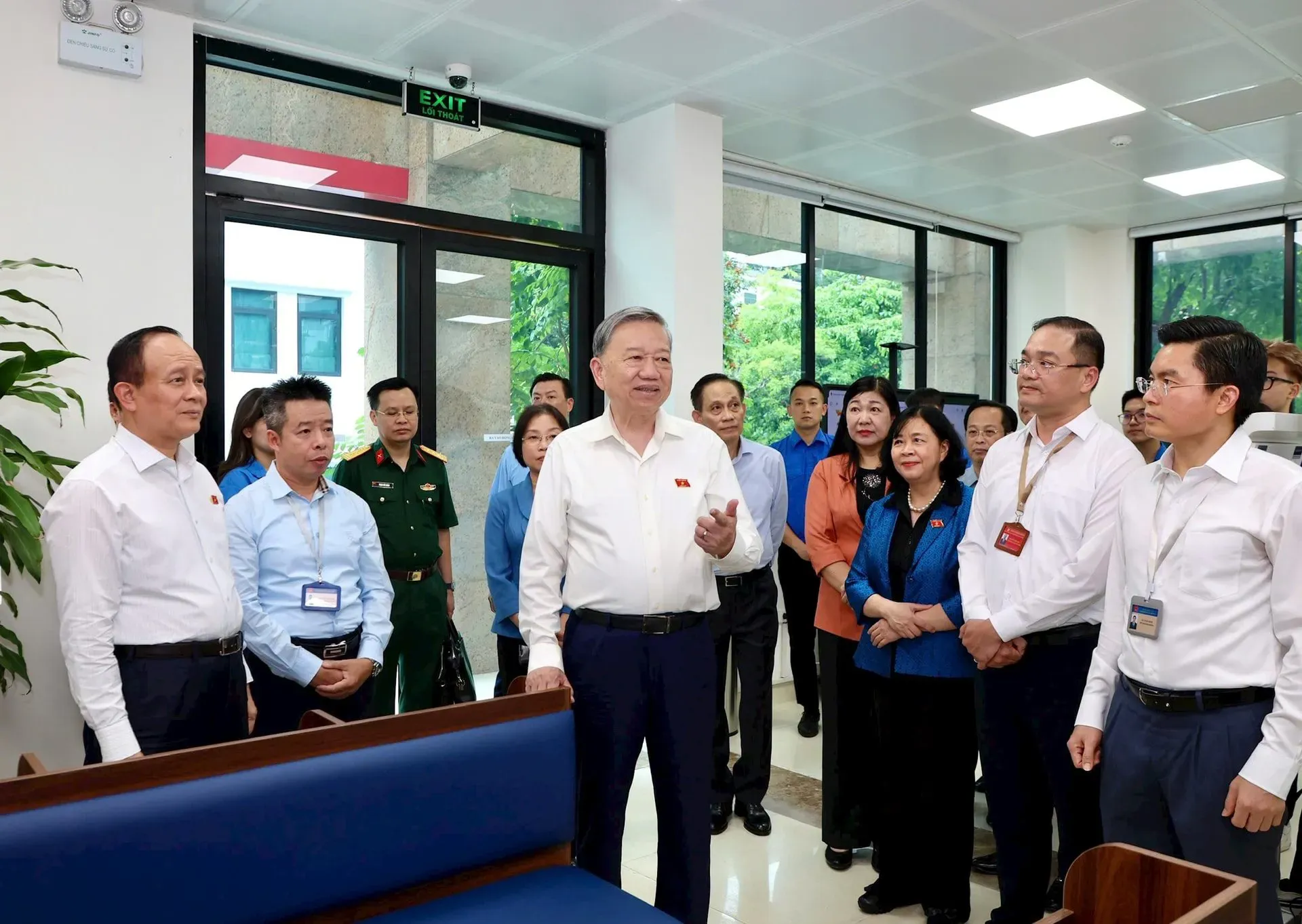
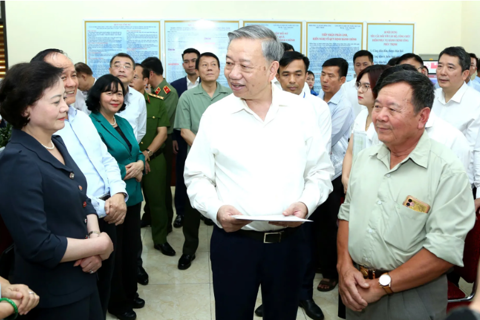
Party General Secretary To Lam visits and inspects the two-tier local government operations at the Public Administrative Service Center of Dong Da Ward.
Responding to these concerns, General Secretary To Lam said the government must better manage gold reserves and consider policies to mobilize private gold holdings into national resources. “This is legal property that must be respected and protected. At the same time, we must make it part of the country’s strength,” he said.
Lam added that public health and education reforms will be a priority. “A child born today will be 20 years old when Vietnam marks its 100th founding anniversary. They must be healthy, intelligent, and capable of leading the country forward,” he said.
Noting that while average life expectancy is 75, healthy life expectancy is only 65, he called for proactive community-level healthcare. “Every ward must know how many residents suffer from chronic conditions, and act early. Don’t wait until it’s too late.”
The Party chief also issued a warning about counterfeit products, especially fake food and medicine, which he said pose serious risks to children and the elderly. “We must declare war on these crimes. Even substandard goods, not just fakes, must not be tolerated,” said Lam.

On private sector involvement, the Party leader affirmed that Vietnam’s socialist-oriented market economy welcomes private enterprise under state management. “The state cannot do everything. Where it cannot, the private sector must step in. That’s not a deviation, it’s policy,” he said.
Vietnam’s development rests on unity across the Party, Government, National Assembly, and people. That unity is our most valuable lesson. It must be preserved and strengthened.”
Looking to the future, Lam said the Party’s goals toward the 100th anniversaries of its founding (2030) and the nation’s independence (2045) are clear. Now that Hanoi has streamlined its administrative structure, it must channel that momentum toward long-term objectives.
“Though the path ahead is tough, we must not retreat. Every agency and locality must contribute to our shared goals,” he said.
He emphasized that peace, stability, and security are critical to achieving those goals, not only at the national level but in every locality. Administrative consolidation, he said, must not hinder economic growth. “Growth targets must still be met.”
“Socialism means meeting the people’s ever-rising needs. No one should lack a home. People should not only have enough to eat and wear, they must also enjoy cultural and spiritual life,” he said. He called for the elimination of all temporary and dilapidated housing by August 30, calling it “a major achievement.”
Lam commended Hanoi’s Party and city authorities for addressing critical issues in a short period, from easing traffic congestion and improving the To Lich River, to providing free school lunches and launching infrastructure projects that directly improve people’s lives. “These are meaningful actions. I urge voters and citizens to continue contributing to a more civilized, cultured, and modern capital,” said Lam.
Expressing full confidence in the capital, the Party chief concluded, “With unity, determination, and innovation, Hanoi will continue to lead the country, deserving its role as the political and administrative center, truly the heart of the nation.

Party General Secretary To Lam presents a portrait of President Ho Chi Minh to the Party Committee of Dong Da Ward.