How Australia-supported model transform logistics vocational training in Vietnam?
The Au4Skills-based model is Vietnam’s leading vocational logistics training approach, fostering sustainable school-business partnerships and developing high-quality professionals with potential as a national benchmark.
THE HANOI TIMES — The Maritime and Waterways College No.1 (MIC1) has adopted a new approach to logistics training, moving from a beneficiary model to a co-creation model with businesses under Aus4Skills, the vocational skills program funded by the Australian Government.
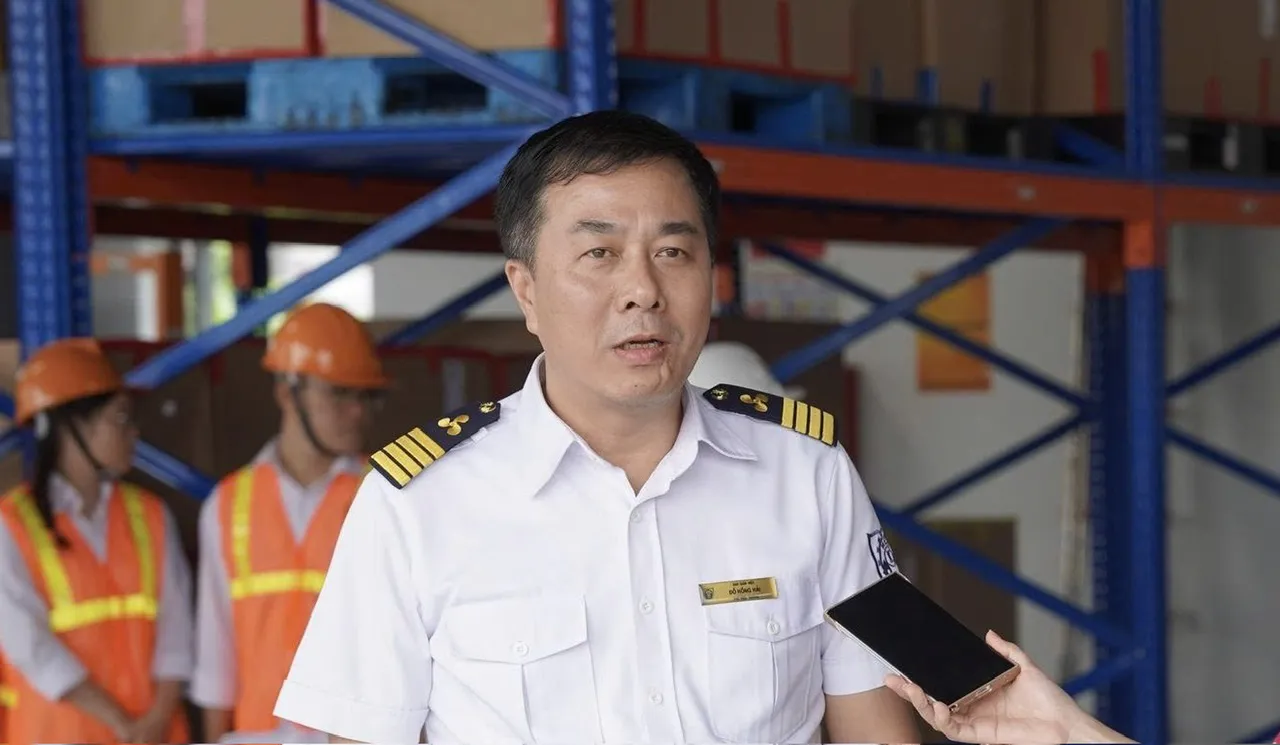
MSc. Do Hong Hai, Vice Rector of Haiphong-based MIC1, said the partnership “fundamentally changes how we think about training, enabling the college to design programs based on industry needs and expand high-quality training models.”
MIC1 is one of 16 partner colleges across Vietnam participating in the Australia-supported project on promoting business engagement in vocational education and training (Aus4Skills VET).
The program provides an industry-oriented training model by applying a business-led skills development approach, ensuring graduates are work-ready with the practical skills required in the logistics sector, contributing to Vietnam’s economic growth.
Work-ready before graduation
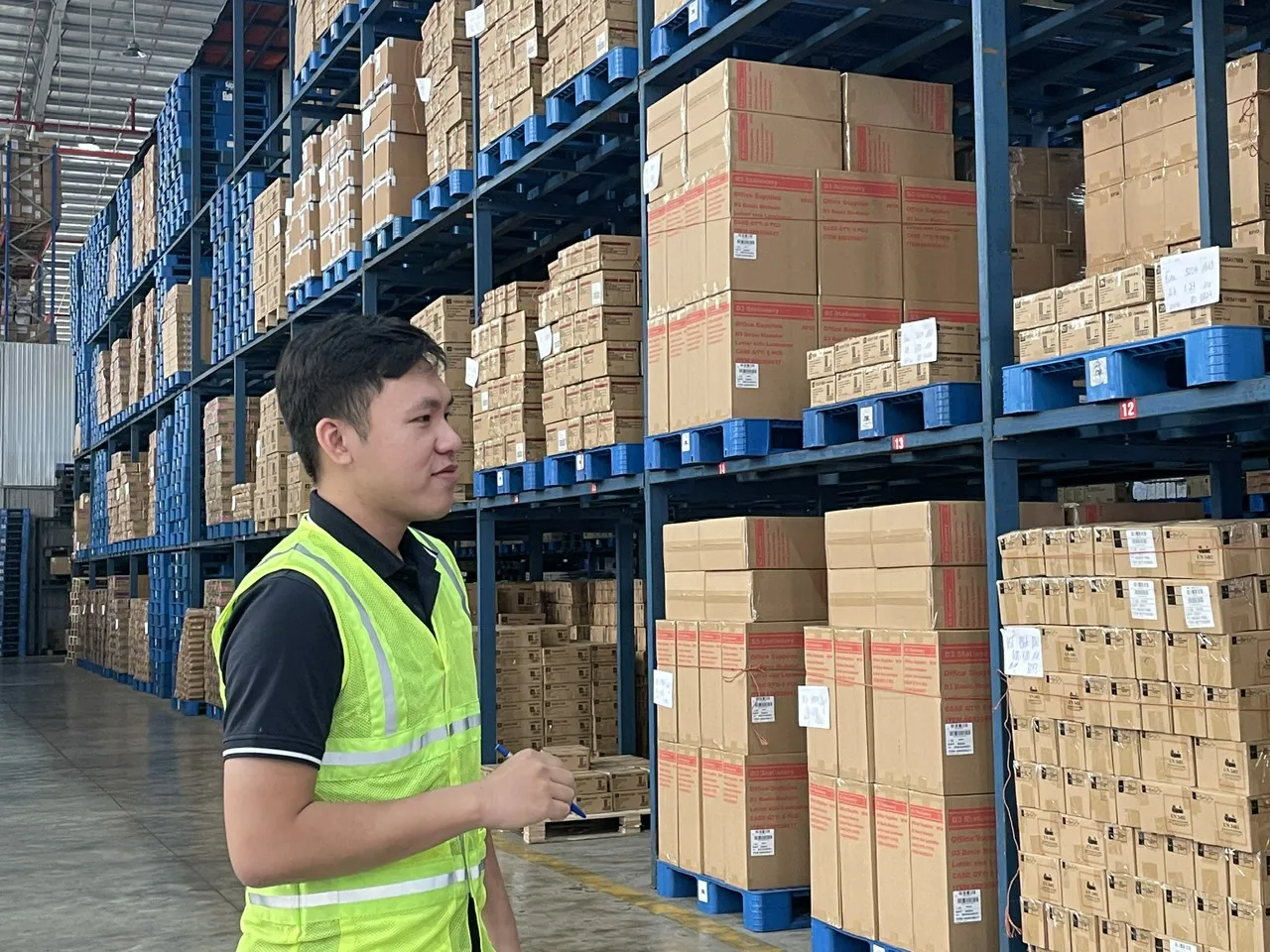
Nguyen Huu Son, an alumnus of MIC1, works at GoldenLink Joint Stock Company in Haiphong.
At GoldenLink’s warehouse in Dinh Vu Economic Zone, Nguyen Huu Son, an alumnus of MIC1, begins his day handling export shipments to the United States. He is among the many students recruited before completing their studies.
“I adapted quickly because the curriculum aligns closely with business practices and emphasizes teamwork,” Son said, adding that with companies involved in developing course materials and supervising internships, everything they learn is directly applicable.
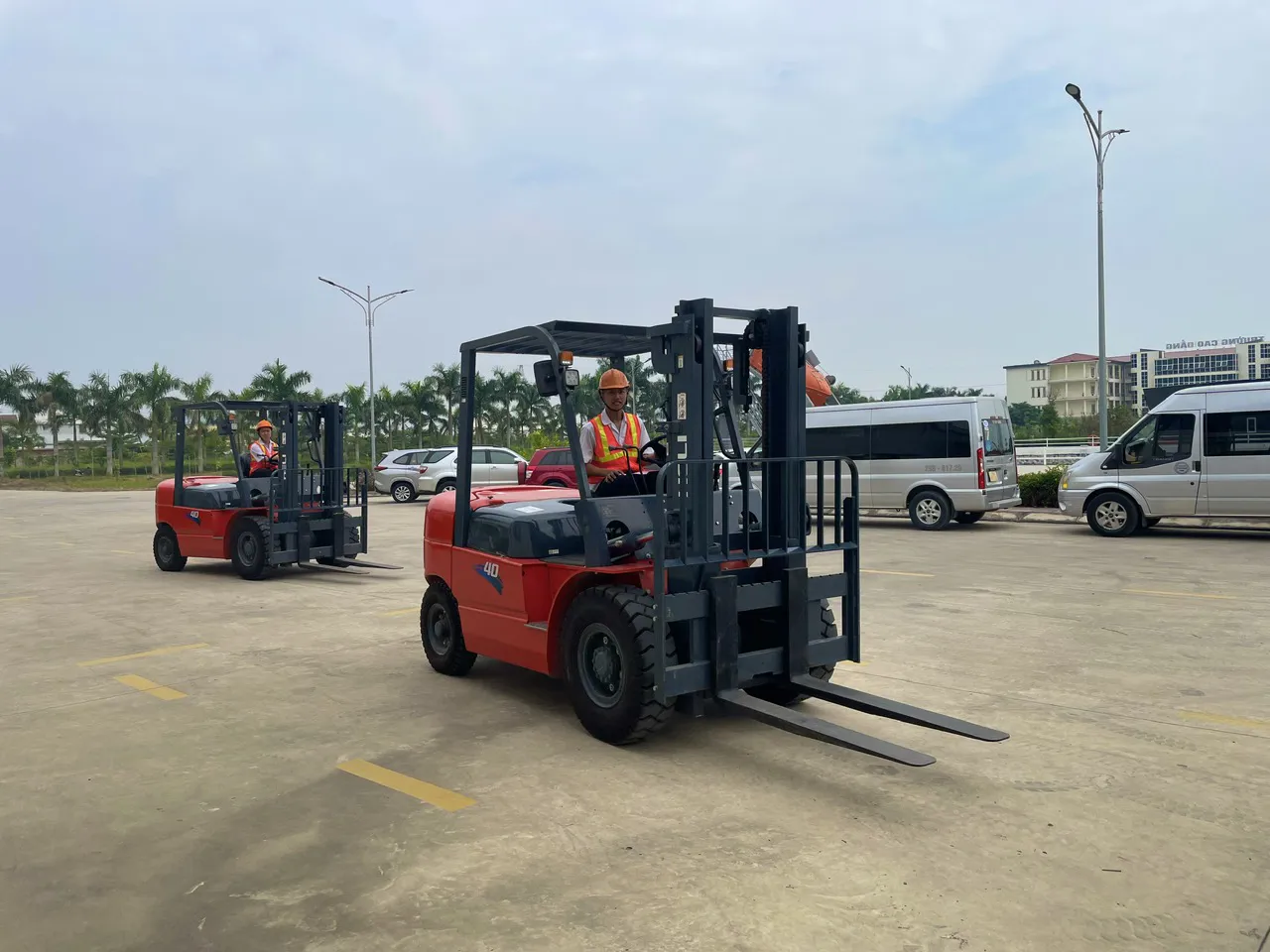
Nguyen Trung Hieu and Dao Nhat Huy, students of MIC1, on their lessons at the school's Stimulation Warehouse.
Meanwhile, at a simulation warehouse of nearly 15,000 sq.m that the college launched in mid-2024, students such as Nguyen Trung Hieu and Dao Nhat Huy practised forklift and crane operations, container handling and warehouse procedures in an environment designed to mirror real workplaces.
This simulation center, with the investment of VND30 billion (US$1.14 million), meets the regional standards on vocational training.
Bui Cong Bao, Lecturer of the Logistics Department at MIC1, said that internships run from September to December, coinciding with the industry’s peak season, to allow students to gain hands-on experience during the period of highest operational intensity and exposure to real-world logistics challenges.
He explained that the practical lessons offer students a clear view of their future roles in businesses, and early exposure to real situations helps them know what to do and make the right decisions.
As a result, “many first-year students are already recruited by businesses. Once they meet the requirements, they can begin work immediately. The college then supports them in completing their academic program,” said the lecturer.
Comprehensive transition
MIC1 launched its logistics program in 2018 with limited scale and a theory-heavy curriculum.
Things changed after faculty members joined Aus4Skills in 2019, with more than 100 training and professional exchange sessions in Vietnam and Australia helping 37 lecturers master modern training approaches, including competency-based training and assessment (CBTA).
In 2020, MIC1 piloted its first CBTA module with three companies, namely GoldenLink, Greenport and Lien Viet Logistics. All participating students were hired before graduation.
Since then, the college has updated 436 modules and 29 programs in line with CBTA, making logistics its fastest-growing major, with enrollment rising 263% in 2025 compared to 2018.
The significant change came with business engagement in the training process.
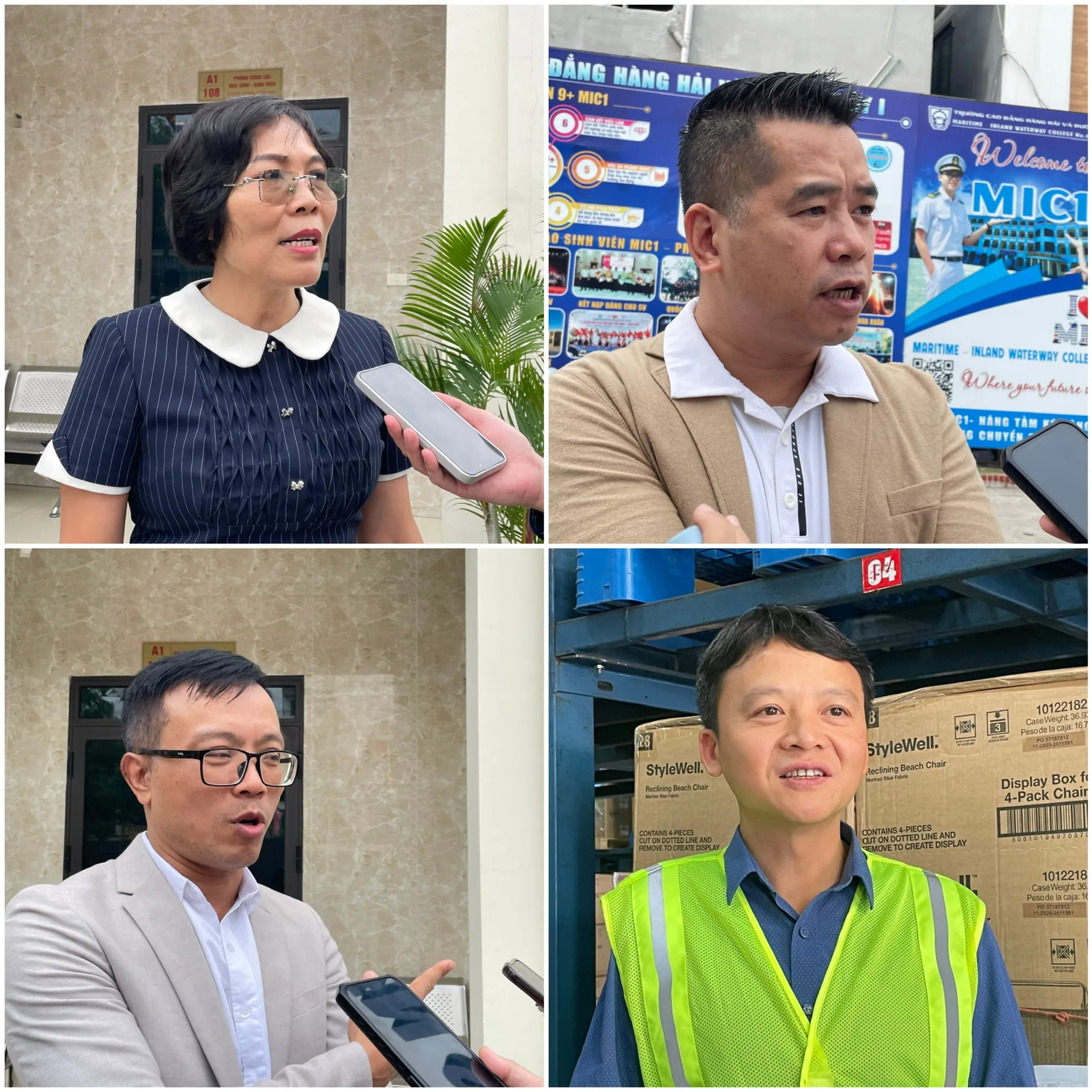
From left above, Director of Greenport Co., Ltd Tran Thi Phuong Anh, General Director of Minh Giang Import-Export Company Nguyen Huy Truong Giang, Bee Logistics’ Supply Chain Manager Quach Minh Dung, and GoldenLink's Deputy Director Tran Minh Duc.
Director of Greenport Co., Ltd Tran Thi Phuong Anh said the cooperation model has improved training standards. “The program is built around real business needs. We contribute to teaching and advising so the college can keep its curriculum aligned with international standards.”
Director of Greenport Co., Ltd, Tran Thi Phuong Anh said the school-business cooperation has improved training standards. “The program is built around real business needs. We contribute to teaching and mentoring to keep the curriculum aligned with industry requirements and international standards.”
The model enables students to gain both theoretical knowledge and practical skills to prepare for the demands required in the competitive logistics market from the start of their careers.
Greenport’s partnership with major shipping lines and forwarders, such as Maersk, Evergreen, COSCO, Yang Ming and DHL, gives the company direct access to international logistics standards, emerging global trends and evolving industry practices to equip students with skills that can be applied immediately in factual logistics operations.
Bee Logistics’ Supply Chain Manager Quach Minh Dung said MIC1 graduates now meet more than 80% of job requirements upon entry. “The onboarding period for new employees has dropped from three to six months to just over a month. This is the direct benefit of training that is tailored to business needs.”
Dung noted that the college’s updated programs, particularly in digitalization and green logistics, should be more fully integrated into future training curricula to better prepare students for innovative and tech-driven solutions for the evolving logistics industry.
Meanwhile, General Director of Minh Giang Import-Export Company, Nguyen Huy Truong Giang, welcomed MIC1’s focus on green logistics. “In the past, we had to train new employees from scratch. Now we could recruit those who totally meet work requirements from the first day, thanks to the work-integrated learning.”
He said students gain three months of hands-on practice at his company, which takes in about 60 students each year. Especially, the training on green logistics helps them adapt faster and show strong responsibility for the sustainable development of this important industry.
For better corporate need-based training, GoldenLink's Deputy Director Tran Minh Duc said the company has hosted more than 300 students and recruited many into key positions. “It is a mutually beneficial model. The college gains a realistic training environment and businesses have work-ready talent.”
He proposed expanding the program to include more hands-on lessons at partner businesses and across diverse sectors to allow students to gain deeper practical knowledge and develop the skills needed to effectively navigate the complexities of the logistics industry.
The co-creation model has delivered unexpected results at MIC1, with 15,315 students benefiting from standardized training; nearly 100% of logistics students secure jobs immediately after graduation; the logistics program scored 96/100 in quality accreditation, placing the college among the nation’s leaders.
Notably, the college’s business network has expanded to nearly 100, including 21 in the economic sector. MIC1 now provides CBTA training for other colleges through the Australia Alumni Grants Fund.
Vice Rector Do Hong Hai emphasized: “Our greatest gain is not only the new training techniques but a sustainable partnership model with businesses, which is the foundation for developing high-quality logistics professionals for Vietnam.”
Toward nationwide expansion
The Aus4Skills-supported model has created a broader impact from the college to the national skills ecosystem.
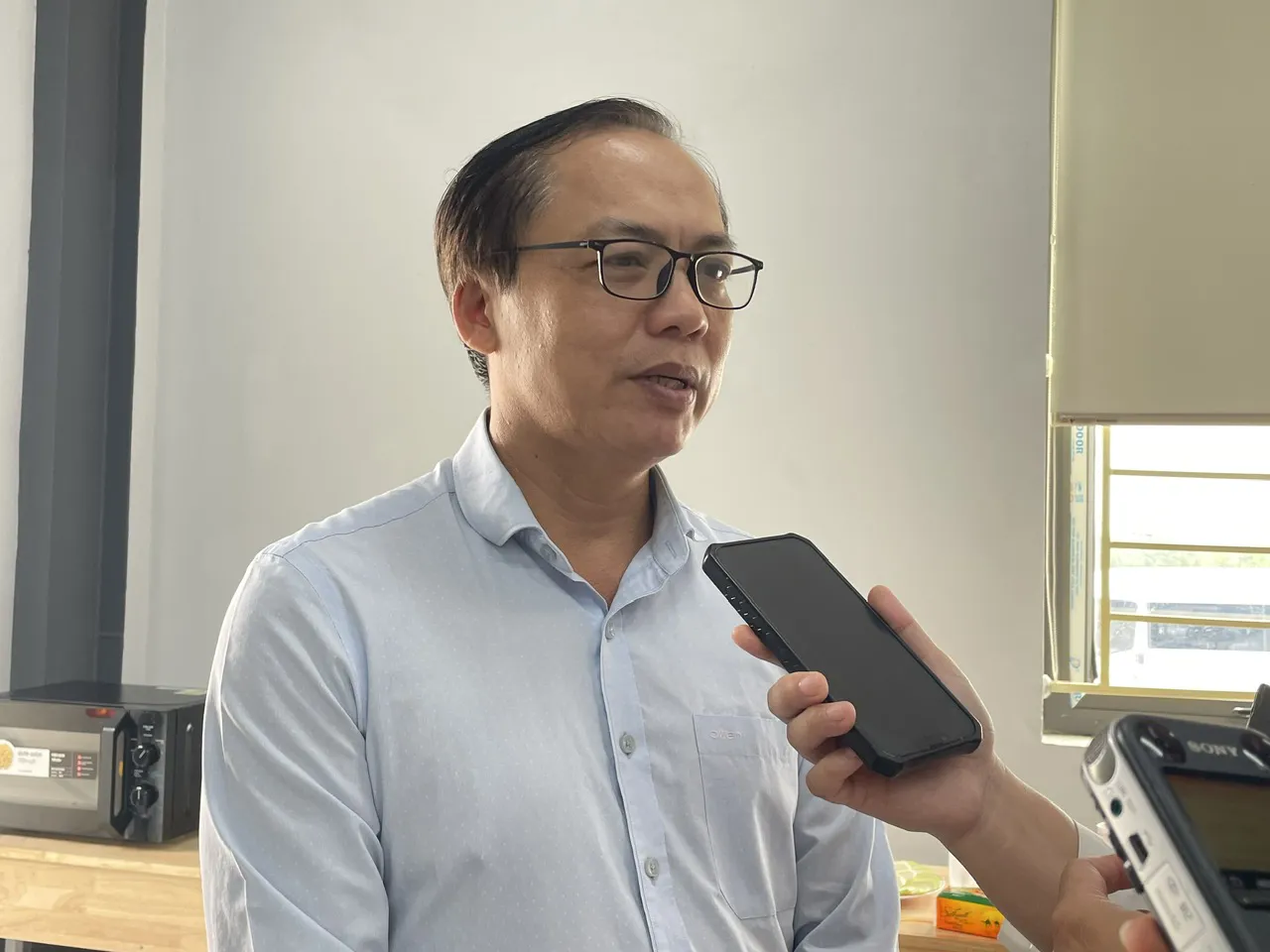
Ha Duc Ngoc from the Directorate of Vocational and Continuing Education and Training under the Ministry of Education and Training.
According to Ha Duc Ngoc, an official at the Directorate of Vocational and Continuing Education and Training under the Ministry of Education and Training, the program lays a strong foundation for improving vocational education quality.
He hopes it will be scaled nationwide when the amended Law on Vocational Education passed on December 10, 2025.
“Businesses are an integral part of vocational training and CBTA ensures graduates are not overwhelmed when they enter the workforce,” he said, expecting Australia to continue expanding support into more fields.
MIC1’s transformation reflects the impact of vocational education cooperation under the Vietnam–Australia Comprehensive Strategic Partnership. The co-creation model enables the college to disseminate international training standards and strengthen workforce skills in Vietnam’s key economic sector.
Australian Ambassador to Vietnam Gillian Bird said Australia is proud to be sharing its world-leading vocational education and training system with Vietnam to help drive economic growth.
In the field of logistics, for example, logistics companies are becoming more efficient and productive as they have access to more job-ready graduates who have received practical training.
“After our 10-year investment through Aus4Skills, we are pleased to see in some of our partner colleges more than half the logistics students are women, supporting Vietnam to build a more inclusive workforce for the future, which will help boost productivity,” the ambassador stated.
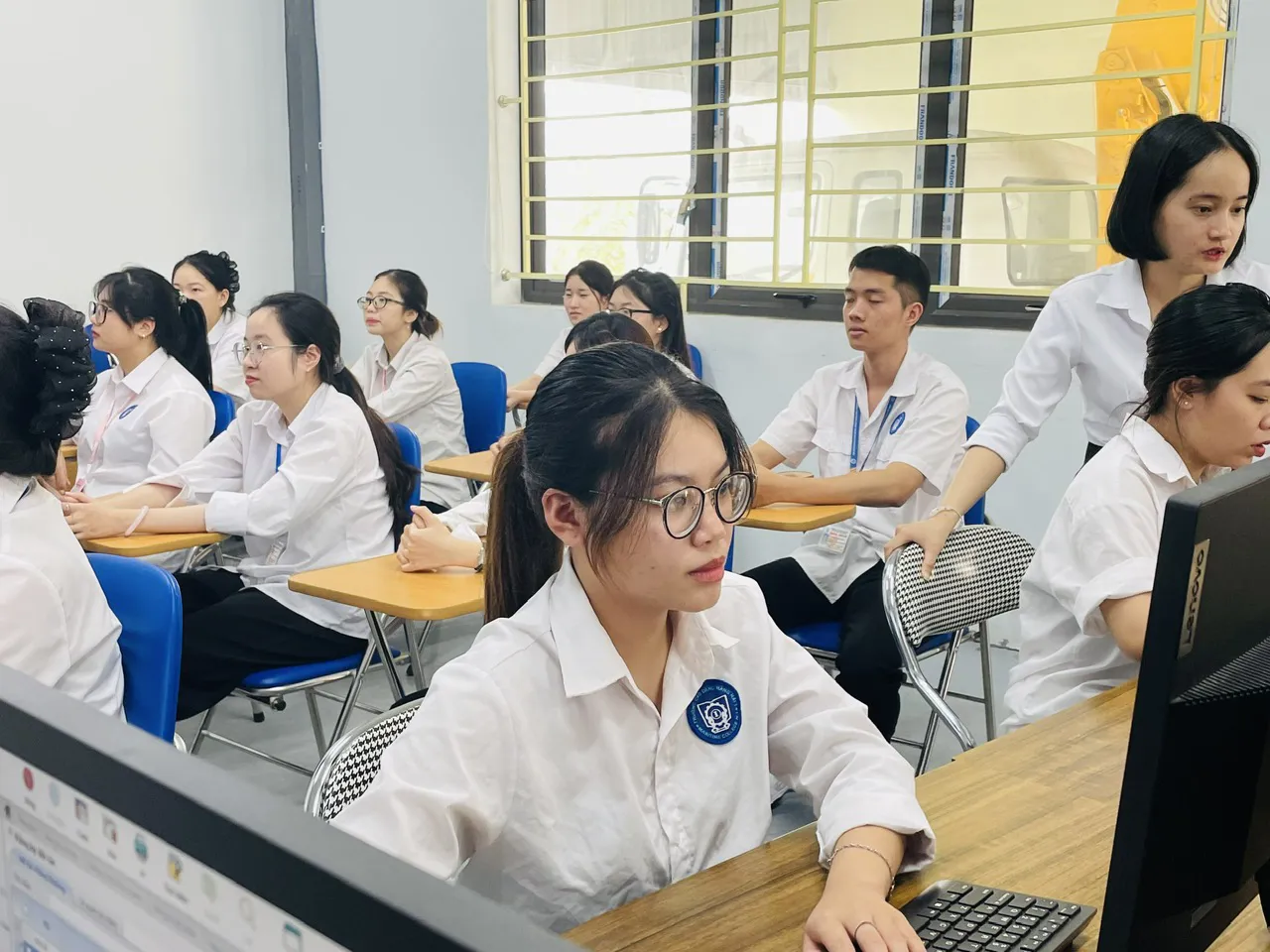
A class at Simulation Warehouse at MIC1.
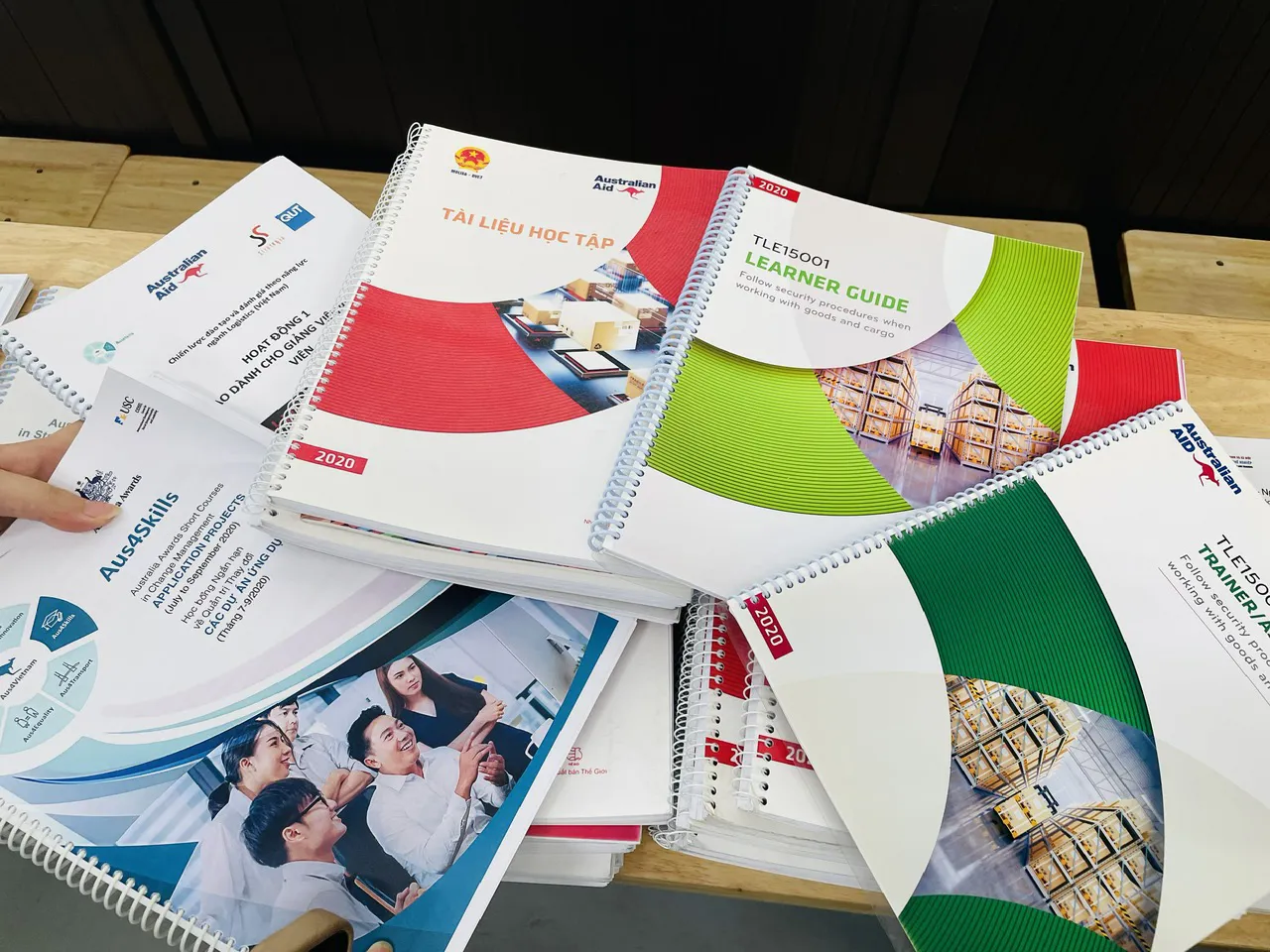
Learning materials are both in Vietnamese and English in support of the Government of Australia.
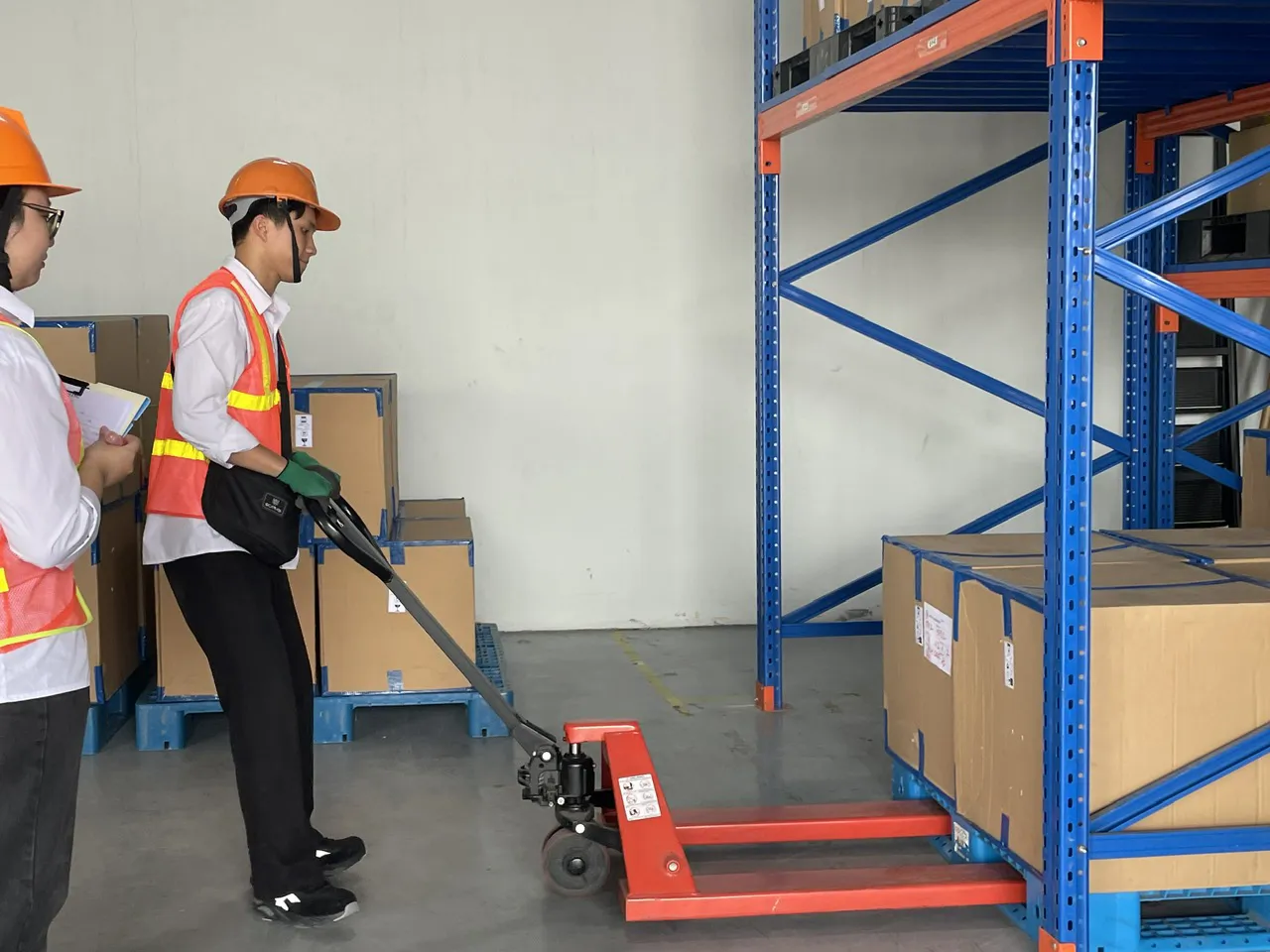
Students during their lesson at MIC1's Simulation Center.
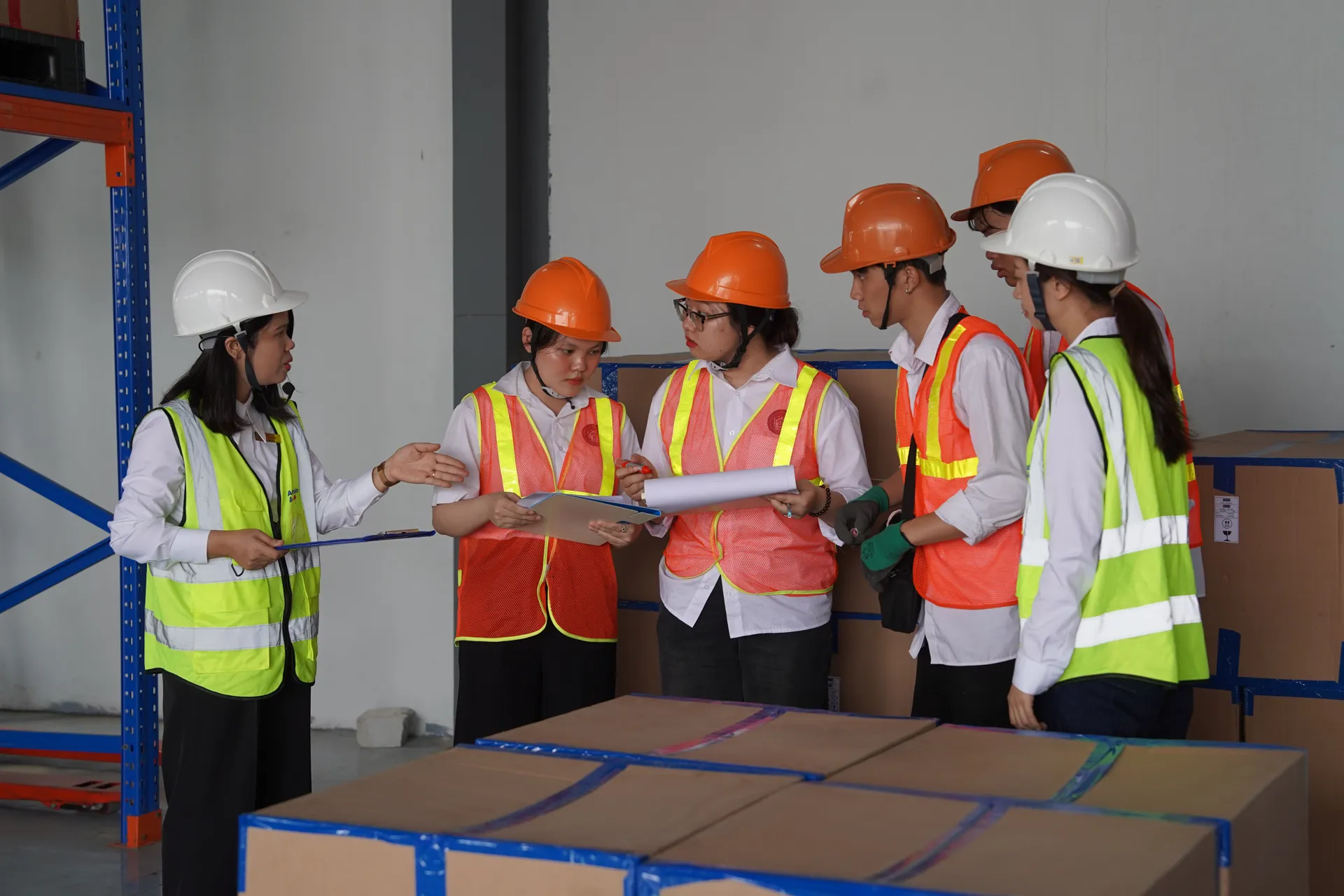
Students are energetic during the practical lesson.