Industrial property benefits from surge in high-tech investment
Vietnam is emerging as a strategic destination for major technology firms given its favorable geographic location within the global supply chain.
The influx of investment in hi-tech projects and research and development (R&D) centers, coupled with supportive government policies, is driving demand for infrastructure and industrial facilities, thus fueling growth in Vietnam's industrial real estate market.
Rising demand for industrial real estate
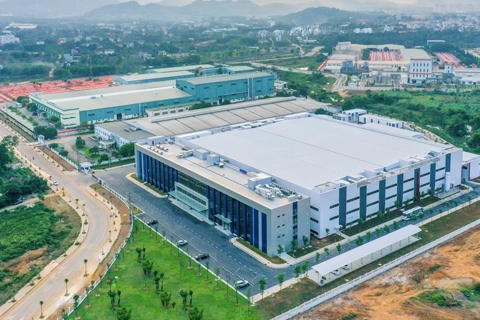
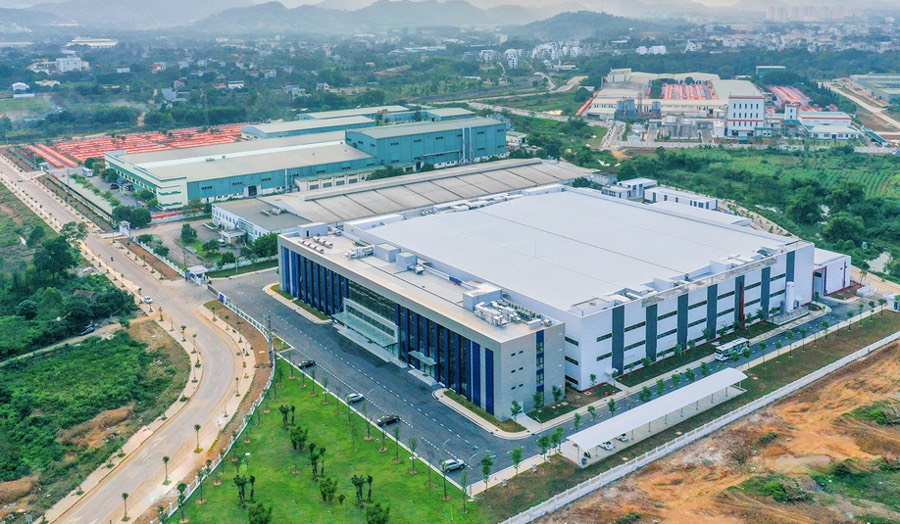
| Hoa Lac Hi-tech Park, about 30 km from Hanoi. |
According to the latest reports from local authorities submitted to the Ministry of Construction, demand for industrial real estate is on the rise, with consumption in the third quarter of 2024 increasing significantly compared to the previous quarter.
Transactions are primarily in areas with well-developed transportation infrastructure, secure legal titles, and sustainable growth potential, particularly in provinces with significant foreign direct investment (FDI), such as Thai Nguyen, Bac Ninh, and Bac Giang provinces. Areas of focus include high-tech industries such as electronics, semiconductors, artificial intelligence (AI), and renewable energy.
The expansion of these sectors has a direct impact on industrial real estate. It increases the demand for facilities that meet infrastructure and service requirements. Notable industrial projects recently approved include the 21.99-hectare Lien Ha Industrial Cluster, the 15-hectare Duc Tu Industrial Cluster, and the 17-hectare Thuy Lam Industrial Cluster in Dong Anh District, while the Dong Van V Phase 1 Industrial Park in the northern province of Ha Nam extends over nearly 237.3 hectares.
By the end of 2024, total registered foreign investment, including new registrations, adjustments and capital contributions, is estimated to reach nearly $38.2 billion, according to the Foreign Investment Agency under the Ministry of Planning and Investment. This includes many large projects focused on high-value products such as semiconductors, energy and electronic components.
Thomas Rooney, Associate Director of Industrial Real Estate Services at Savills Hanoi, said that Vietnam’s strategic geographic location in the global supply chain positions it as an attractive destination for major technology firms.
The wave of investment in high-tech projects and research and development centers is driving demand for infrastructure and factories, fueling growth in the industrial real estate sector. According to Savills' Industrial Real Estate Report, the total area of industrial land in Vietnam has increased by 5% year-on-year and now exceeds 38,200 hectares across 203 operational industrial parks.
Vietnam's robust infrastructure and ongoing transportation policies enhance the country's appeal to foreign investors. With 7% of GDP allocated to key projects such as the North-South Expressway, Long Thanh International Airport, and deep-water ports such as Cai Mep in the southern province of Ba Ria-Vung Tau, Vietnam is establishing direct links to Europe, the Americas, and Southeast Asia.
An abundant labor force, supportive policies for hi-tech projects, and improving infrastructure are also attracting international investors and positioning Vietnam as a hi-tech manufacturing hub.
Recently, a cooperation agreement between the Vietnamese government and NVIDIA, a global leader in AI and semiconductors, marked a significant milestone, creating opportunities for Vietnam to become a leading AI R&D center in Asia.
The establishment of the R&D center in Vietnam, combined with the government's human resource development strategy and support policies, promises to add value, attract investment, and boost cutting-edge technology sectors.
Thomas Rooney of Savills Hanoi said: "NVIDIA's establishment of an R&D center in Vietnam will stimulate demand for the development of high-tech zones, increase the value of industrial real estate, and attract further capital from major technology investors. This will enhance industrial zones and expand opportunities for modern infrastructure development and supporting industries.
Driving force from the semiconductor industry
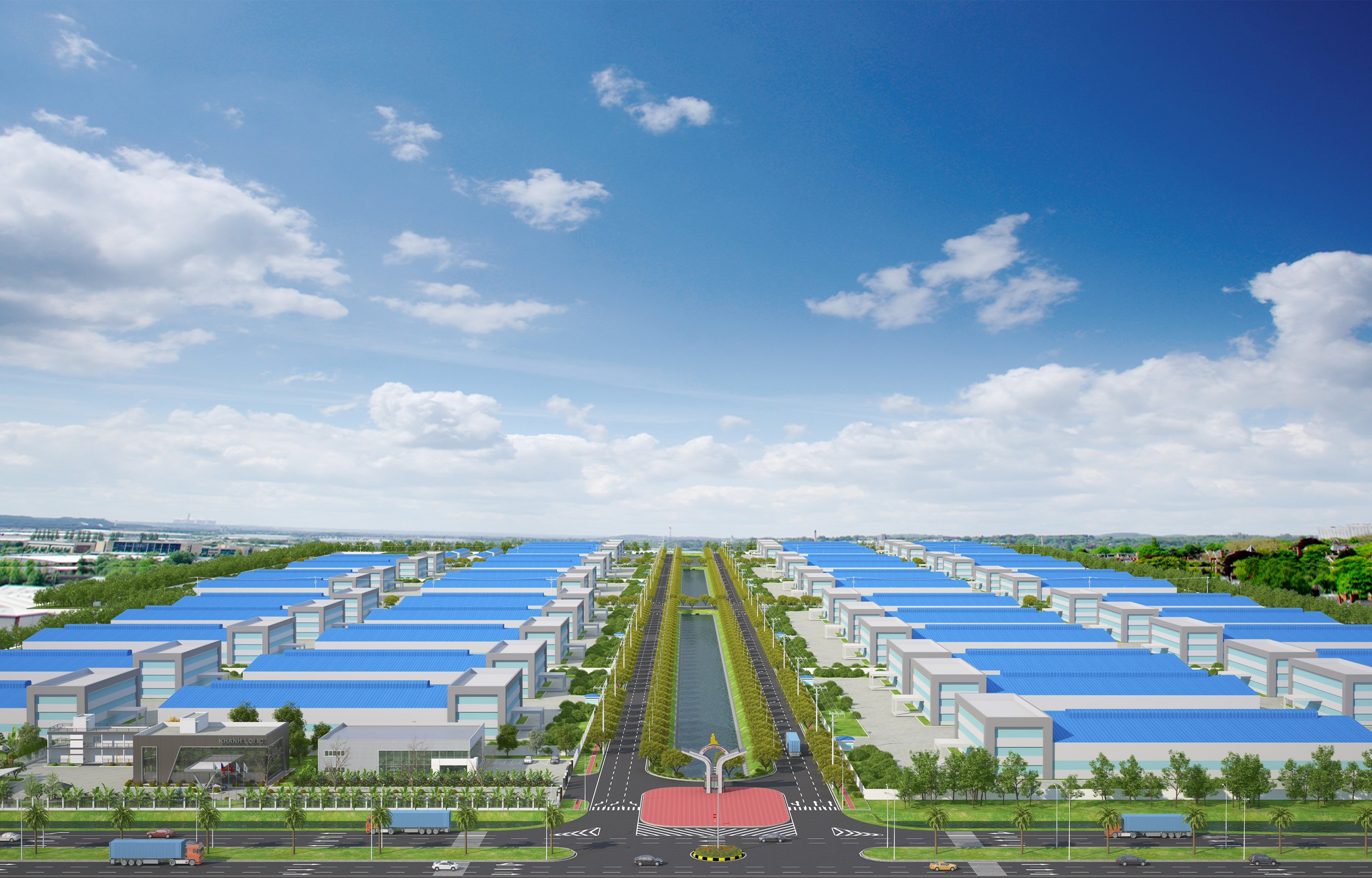
| Phu My 3 Specialized Industrial Park in Phu My Town, Ba Ria-Vung Tau Province. Photo: Phu My 3 SIP |
The semiconductor industry, with projected revenues of $18.2 billion in 2024, is a focus of the government and is driving growth in the industrial real estate sector.
Thomas Rooney predicted that from 2025 to 2026, semiconductors will remain a hot topic as Vietnam leverages its existing advantages and creates favorable conditions to increase its allure to investors.
A key factor that sets Vietnam apart in the semiconductor industry is its abundant rare earth resources, the second largest in the world after China. These materials are essential for electronics and semiconductor manufacturing and offer significant opportunities for sustainable growth in the sector, he added.
The Vietnamese government is putting in place favorable policies to promote the development of the semiconductor industry. The quality of human resources in the field is continuously improving, with plans to train at least 50,000 graduates by 2030 to meet the industry's manpower needs, as outlined in the Prime Minister's Decision No. 1017, which approved the program "Development of Human Resources for the Semiconductor Industry to 2030, with a Vision to 2050".
In addition, the government has established a fund to support investment in high-tech projects with the aim of stabilizing the investment environment, improving competitiveness and attracting strategic investors.
The approval of the National Power Plan VIII ensures stable power supply for investment projects while advancing sustainable energy goals. Local governments and the management of industrial and technology parks have committed to providing adequate power and water resources to meet the needs of semiconductor companies.
With its strategic advantages and focused government development efforts, Savills reports that Vietnam's industrial real estate continues to attract interest from semiconductor investors.
In particular, ready-built factories and warehouses by leading developers such as Frasers, Logos and IDEC meet the stringent requirements of the semiconductor industry, with modern infrastructure and advanced fire safety systems. These projects are strategically located near international airports, facilitating easy transportation and trade for investors.
Furthermore, the Thuan Thanh Industrial Park in the northern province of Bac Ninh, conveniently accessible from Hanoi, Haiphong Port and Noi Bai Airport, is being positioned as a sustainable industrial zone to attract high-tech industries such as semiconductors.
"To accommodate investment from both domestic and foreign companies, not only are new industrial parks being built with green models, but existing parks are also undergoing infrastructure upgrades. Over the next three years, VSIP will upgrade several industrial parks, starting with the Long An project, the first in the south," said the Savills expert.