Long-term solutions needed for organizing Hanoi’s rural architectural spaces
Traditional rural architectural treasures like stilt dwellings and communal houses are being commercialized and relocated to urban areas, undermining their original cultural and architectural integrity.
Urbanization inevitably transforms Hanoi's rural spatial structure and landscape, necessitating solutions and guidelines for organizing architectural and landscape spaces across its districts.
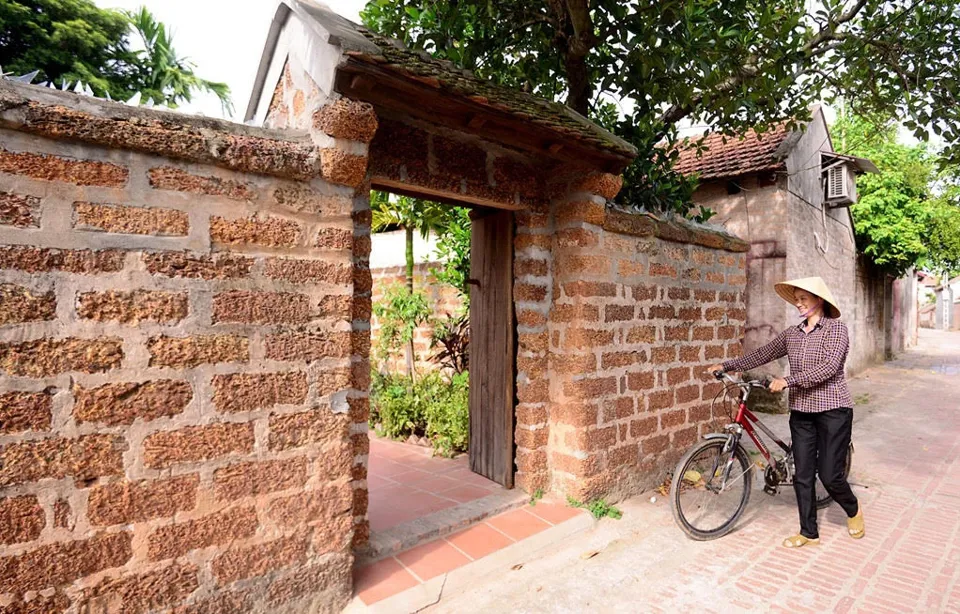
| Duong Lam Ancient Village in Son Tay District, Hanoi. Photo: Doan Thanh/The Hanoi Times |
Shortcomings
According to the Master Plan for Hanoi's Construction Development by 2030, with a vision to 2050, the city plans to allocate 30% of its land for urban development while preserving 70% as green corridors in rural areas.
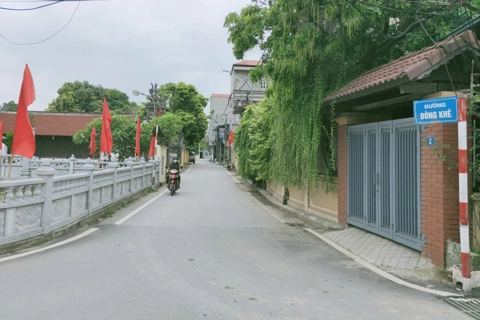
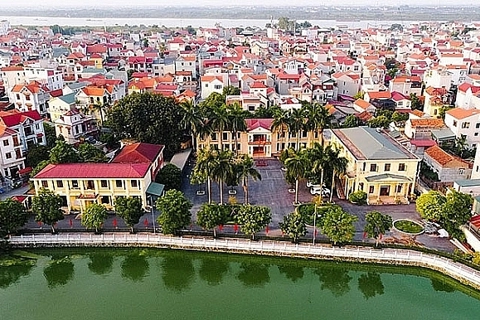
However, urbanization's rapid pace alongside economic growth has resulted in many villages and communes in rural areas being transformed into "urbanized villages." With this rapid change in spatial structure, traditional tiled-roof houses have been replaced by multi-story buildings, resulting in fragmented landscapes.
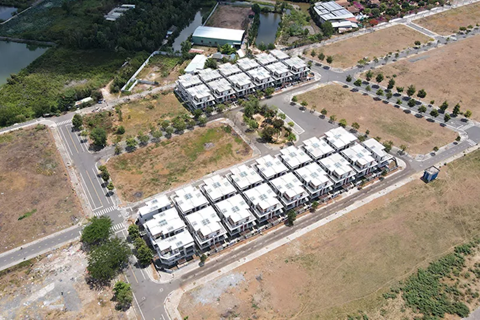
Urbanization is accelerating in suburban districts that are planned to become urban districts, such as Hoai Duc, Thanh Tri, Dong Anh, Gia Lam, and Dan Phuong, with numerous projects underway. Yet, some general planning and detailed plans for rural residential areas have not yet received final approval, making it difficult to provide information on planning and project demarcation.
Assoc. Prof. Dr. Mai Thi Lien Huong, Director of the National Institute of Architecture (Ministry of Construction) said that certain rural areas with valuable architectural heritage like stilt dwellings and communal houses are being commercialized, traded, and relocated to urban areas, undermining their original planning and architectural values.
“Farmers are often unaware of their ownership and use of culturally significant tangible and intangible assets, so government support is needed to preserve and promote these indigenous values,” said Huong.
Luu Quang Huy, Director of the Hanoi Institute of Planning and Architecture, agreed, attributing these issues in part to inconsistencies and overlaps in legal regulations that hinder urban planning management.
For instance, the 2013 Construction Law exempts standalone rural houses from construction permits, while rural districts that are to become metropolitan areas have been overplanned, requiring strict control of housing construction. This situation confuses local authorities about whether to abide by the law or the plans.
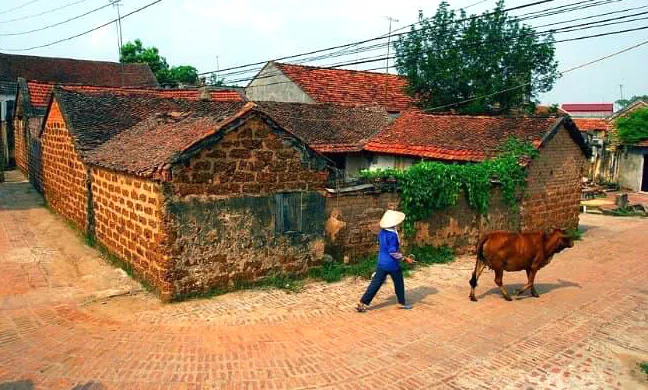
| Traditional houses in Hanoi's rural areas. |
Solutions required
Urban planning experts advocate the rapid and effective implementation of rural architectural management and the establishment of rural architectural management regulations to control new construction, revitalize entire areas, and guide architectural development in rural areas.
Huy emphasized that in rural districts designated for urban development, planning in communes should align with urban planning and architectural standards to ensure future coherence and suitability. He stressed the urgent need to enhance both general rural residential planning and detailed planning regulations, which are crucial for managing construction according to legal requirements.
During a recent discussion at the National Assembly, Deputy Hoang Van Cuong of the Hanoi National Assembly Delegation highlighted the intertwined yet distinct nature of urban and rural planning domains.
“Developing laws specifically for urban and rural planning is crucial to establishing a comprehensive planning system that avoids overlapping plans and promotes harmonious urban development alongside rural construction,” Cuong said.
He added that given the current state of Vietnam's rural architectural space, the fundamental issue lies in creating connectivity models that preserve traditional village structures while integrating urban living standards.
Furthermore, implementing solutions to renovate existing spaces allows rural villages to thrive amidst urbanization trends while preserving traditional cultural values, thereby defining the essence of Vietnamese rural communities, he stressed.
| “Urban-style houses in rural areas must be designed with a view to providing residents with reference models that combine traditional elements with modern advancements. If these house designs meet aesthetic, economic, and functional needs, residents will willingly adopt them,” said Phan Dang Son, Chairman of the Vietnam Architecture Association. |