New models of care matter to prevent domestic violence in Vietnam
While Vietnam’s digital transformation accelerates, rising online abuse stresses the need for stronger prevention, timely reporting and survivor-centered support systems.
zTHE HANOI TIMES — As 90% of women who experience violence in Vietnam never seek help from formal services, ending domestic violence requires not only strong laws but also new forms of innovation and digital transformation to ensure that no survivor is left behind.
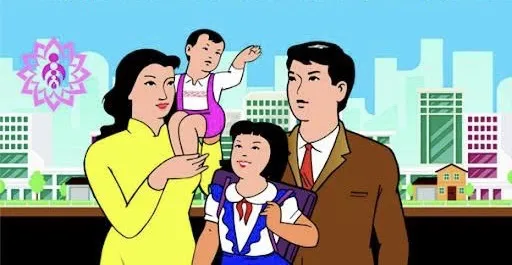
Vietnam and UNFPA are working to end domestic violence in the country. Photo: MOCST
The view was raised by Matt Jackson, the United Nations Population Fund (UNFPA) Representative in Vietnam, at the launch of the UN agency-funded project “Building Capacity to Prevent and Respond to Domestic Violence, 2025–2026”, held in Hanoi this week.
The project, to be implemented by the Ministry of Culture, Sports and Tourism (MOCST), demonstrates shared commitment to building a safer and more equitable Vietnam, where every woman, girl and child can live free from violence in all spaces, at home, in the community and increasingly online.
In an interview with The Hanoi Times, Matt Jackson said the ministry has been instrumental in advancing the implementation of the 2022 Law on Domestic Violence Prevention and Control and Decree 76 that gives Vietnam a solid foundation to address violence against women and children, with modern, effective and survivor-centered systems.
However, domestic violence remains one of the most pervasive human rights violations worldwide.
The 2019 Vietnam National Study on Violence against Women found that nearly 63% of women had experienced at least one form of violence by a husband or intimate partner and 32% had suffered such violence in the previous 12 months.
The economic cost is severe, as women lose an average of 26% of their annual income and total losses amount to 1.8% of Vietnam’s GDP.
But the most painful finding is that 90% of women who experience violence never seek formal help and half never tell anyone.
“This silence reflects fear, stigma and social pressure to keep quiet and limited awareness or trust in available support services,” said Jackson.
He stated that these findings highlight that domestic violence is still a deeply hidden issue in Vietnam, underscoring the urgent need to strengthen prevention, promote early reporting and expand accessible, survivor-centered support systems.
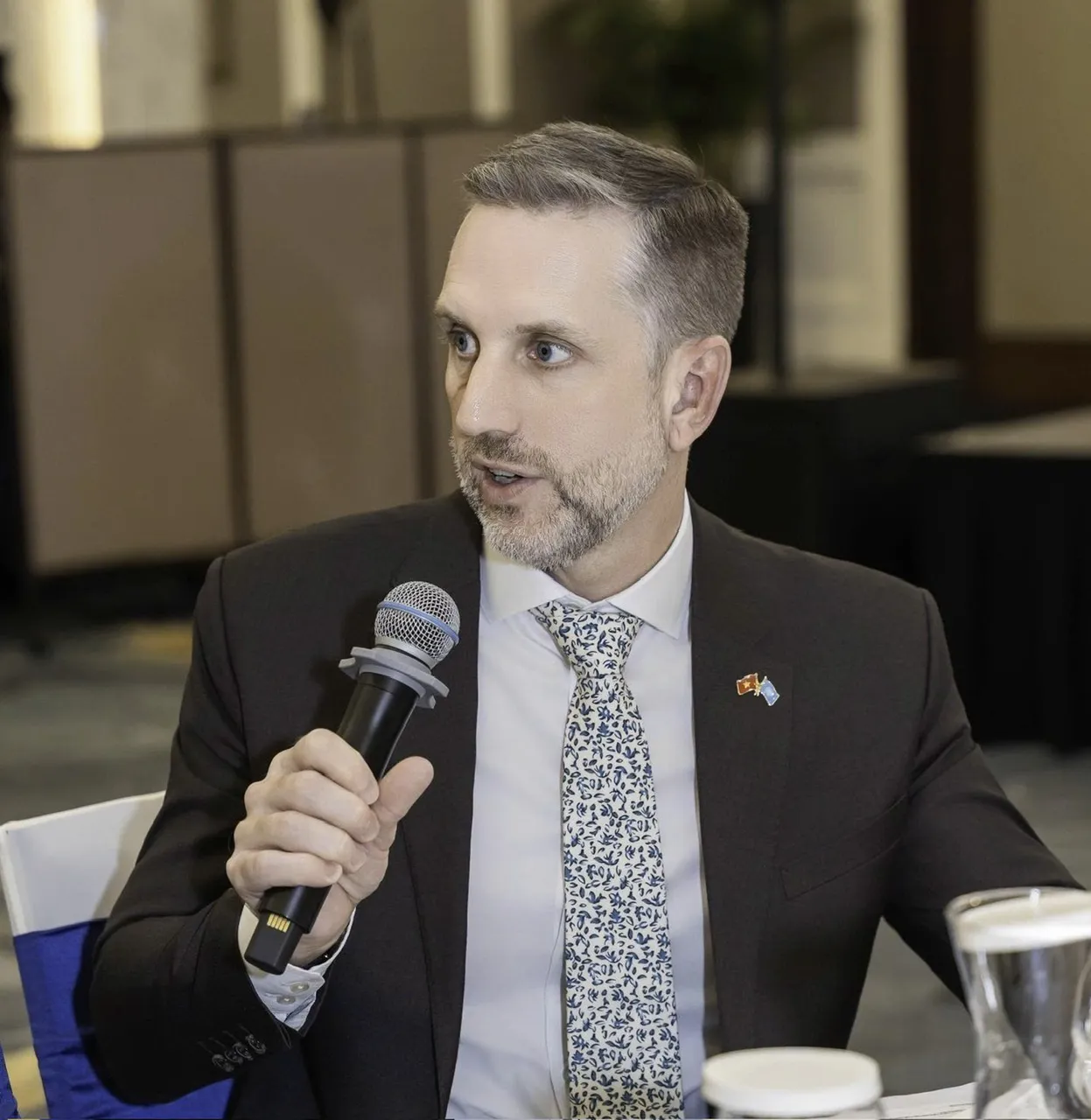
UNFPA Representative in Vietnam Matt Jackson. Photo: Linh Pham/The Hanoi Times
According to Jackson, patterns of violence are also changing. Technology-facilitated gender-based violence (TFGBV), including online harassment, digital stalking, threats, doxing and the non-consensual use of intimate images, is an increasing concern, extending manipulation and abuse into digital spaces.
Preventing violence in the digital age requires safer online ecosystems, stronger digital literacy and robust mechanisms to protect survivors.
For that reason, Jackson stressed that ending domestic violence requires more than strong laws. It needs political will, collective action and sustained investment, along with trained and confident service providers working together across sectors.
It also needs to engage men and boys as allies for respect, equality and shared responsibility.
“And it requires us to move at the same pace as the world around us, embracing innovation, digital transformation and new models of care so that no survivor is left behind,” Jackson stated.
He reiterated that ending violence against women is one of UNFPA’s global transformative results and a core priority of its work and the agency is honored to continue its more than 45-year partnership with the Government of Vietnam.
The project spans two years but builds on more than a decade of close cooperation with MOCST, creating an opportunity to deepen and expand joint efforts for long-term and sustainable progress, as around the world, people are speaking out to say that violence in any form is unacceptable, regardless of home, in the community, in the workplace, or online.
He said UNFPA is fully committed to supporting MOCST in implementing this project effectively by continuing to provide technical expertise, policy advice and evidence-based models to help expand essential services for survivors.
The agency strongly encourages efforts to operationalize the national toll-free, three-digit hotline, strengthen inter-sectoral coordination, expand communication and social norm change initiatives, enhance data systems and institutionalize successful service models across provinces.
The need for an intersection between technology and domestic violence
The two-year project receives financial support from the Korea International Cooperation Agency (KOICA).
In this field, stakeholders argued that while Vietnam is undergoing rapid digital transformation, patterns of domestic violence are also evolving, with behaviours such as online harassment, digital stalking, threats and the non-consensual sharing of intimate images worryingly increasing.
These online forms of abuse extend manipulation and coercion. This evolving landscape underscores the urgent need for stronger prevention, early reporting, and accessible survivor-centred support systems that address violence in all its forms.
Violence in the digital world is just as harmful as violence in the real world.
MOCST Deputy Minister Trinh Thi Thuy said the amended 2022 Law on Domestic Violence Prevention and Control provides Vietnam with a strong legal foundation. However, laws alone are not enough. It requires strengthened coordination, expanded public communication and enhanced service quality to address the rapid rise of violence in digital spaces.
She reaffirmed the Government’s commitment to the pressing issue. “The project comes at a crucial time and will help us protect families, communities and especially women and children more effectively.”
The project directly contributes to UNFPA’s global transformative result of zero violence against women and girls and aligns with the Country Program priorities in Vietnam.
“Our shared mission is that every woman and every girl in Vietnam can live a life free from violence in every space, whether at home, in the community, or online,” stressed Jackson.
Anh Duong Houses – trusted shelter
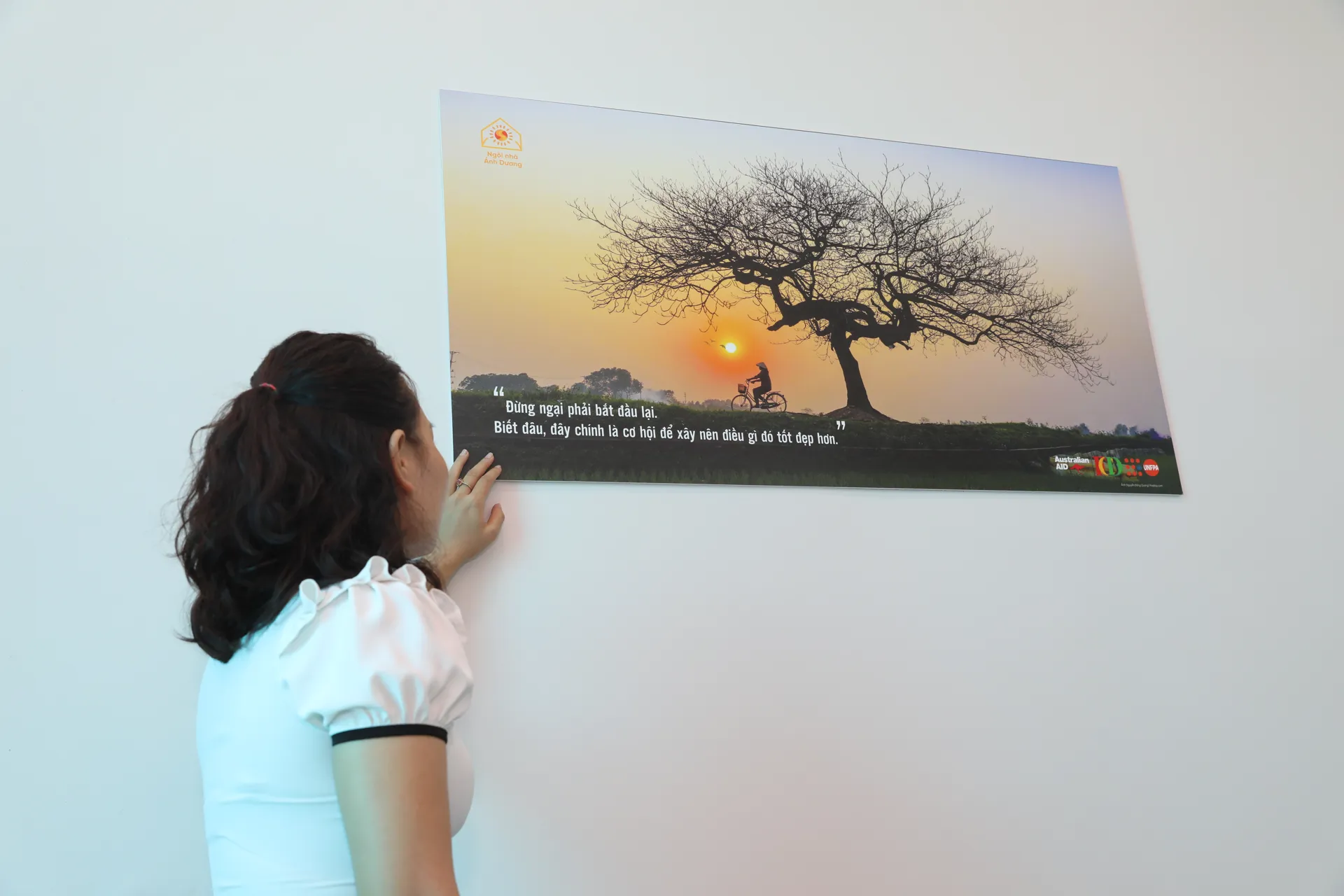
Ngoi Nha Anh Duong (Anh Duong House) brings emmergency shelter and integrated services for people suffered from gender-based violence in Vietnam. Photo: UNFPA Vietnam
Regarding the solution to gender-based violence (GBV) in Vietnam, Ngoi Nha Anh Duong (Anh Duong House), a One-Stop Service Center supported by UNFPA and the Government of Australia, has provided integrated and survivor-centered services for GBV victims in the country.
The model, launched in 2020 in the northern province of Quang Ninh offers immediate safety, medical care, psychosocial counselling, legal aid and social welfare under one roof, along with emergency shelter operating under strict confidentiality and safety protocols.
The latest Anh Duong Houses was run in the northern province of Dien Bien on November 27 to raise the total to six, operating in northern provinces of Quang Ninh and Phu Tho, the central province of Thanh Hoa, the southern province of An Giang and Ho Chi Minh City to provide integrated services to nearly 1,700 people suffering from GBV and received more than 26,000 calls through hotlines. More facilities are expected in Ha Tinh and Khanh Hoa.
Jackson said the model aims to remove barriers to seeking help, strengthen coordinated responses and promote long-term recovery, especially for ethnic minority women and girls who often face the greatest obstacles.
He reaffirmed UNFPA’s commitment to advancing multi-sectoral coordination at national and local levels to ensure consistent, high-quality support services for survivors nationwide.