Ngoc Ha Ward: Blend of history, culture and modernity
The newly established administrative unit born from a territorial reshuffle, yet deeply rooted in culture, tradition and community.
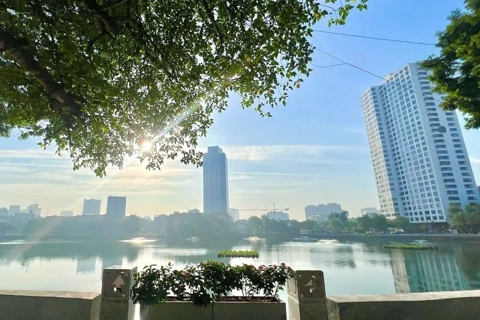
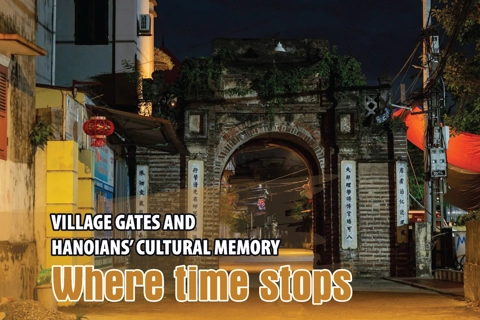
THE HANOI TIMES — Nestled west of Ba Dinh’s central area, Ngoc Ha stands on land that once belonged to the Thap Tam Trai or Thirteen Camps, a cluster of ancient villages surrounding West Lake.
Historically a supplier of essential goods to the imperial citadel of Thang Long, today Ngoc Ha represents a harmonious blend of past and present - a place where expats, diplomats, and locals find both charm and convenience in daily life.
A heritage-inspired urban ward
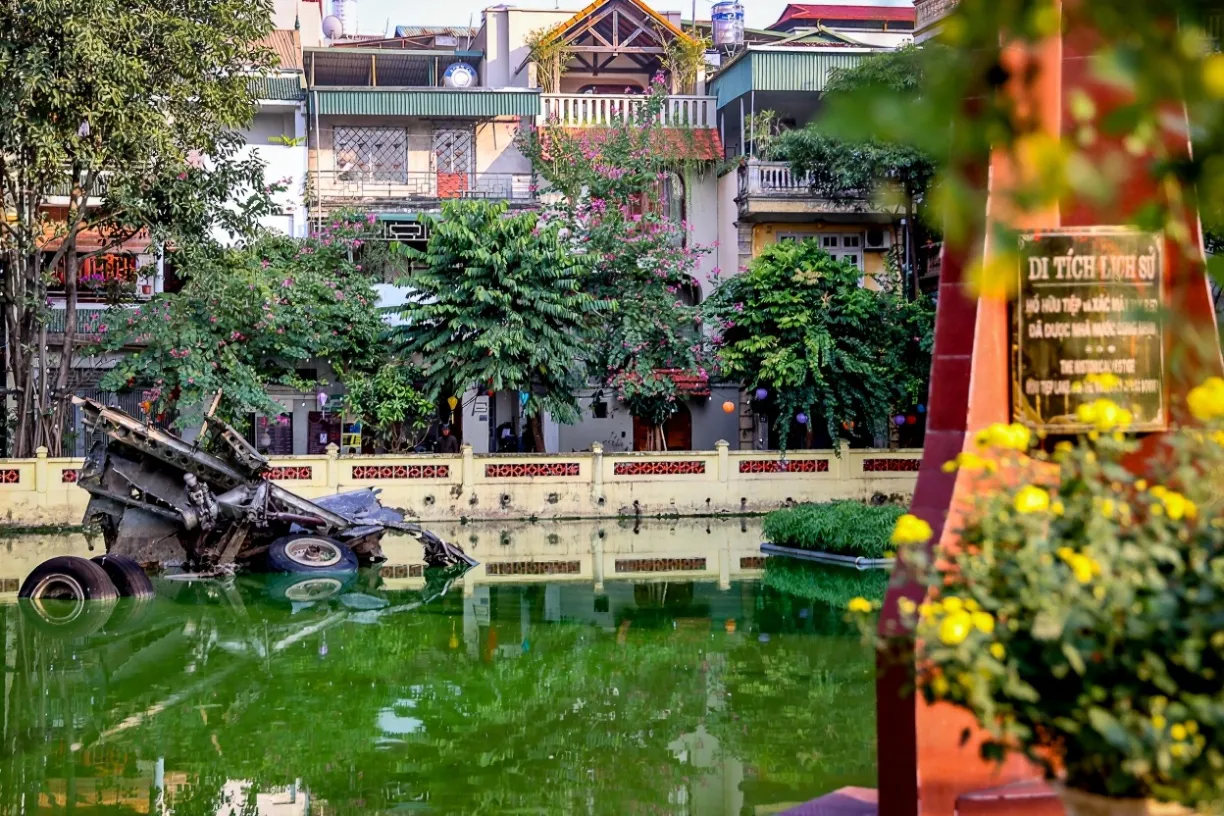
On the night of December 27, 1972, in today's Ngoc Ha Ward, an American B-52 'Flying Fortress' with two bombs was shot down. Photo: VNA
Ngoc Ha is the name of both a street and an old ward in the former Ba Dinh District. This land once belonged to Ngoc Ha Camp in Noi Canton, Vinh Thuan Ward, which is one of the 13 villages around West Lake specializing in producing necessities for the Thang Long Citadel during the feudal period.
Following the administrative restructuring, Ngoc Ha Ward now spans 2.68 square kilometers with a population of over 93,500 residents. It was formed by merging areas from several former wards, including Vinh Phuc, Lieu Giai, Doi Can, Kim Ma, Cong Vi, and parts of Ngoc Khanh and Nghia Do. The ward is now strategically located between vital political institutions, traditional neighborhoods, and diplomatic quarters.
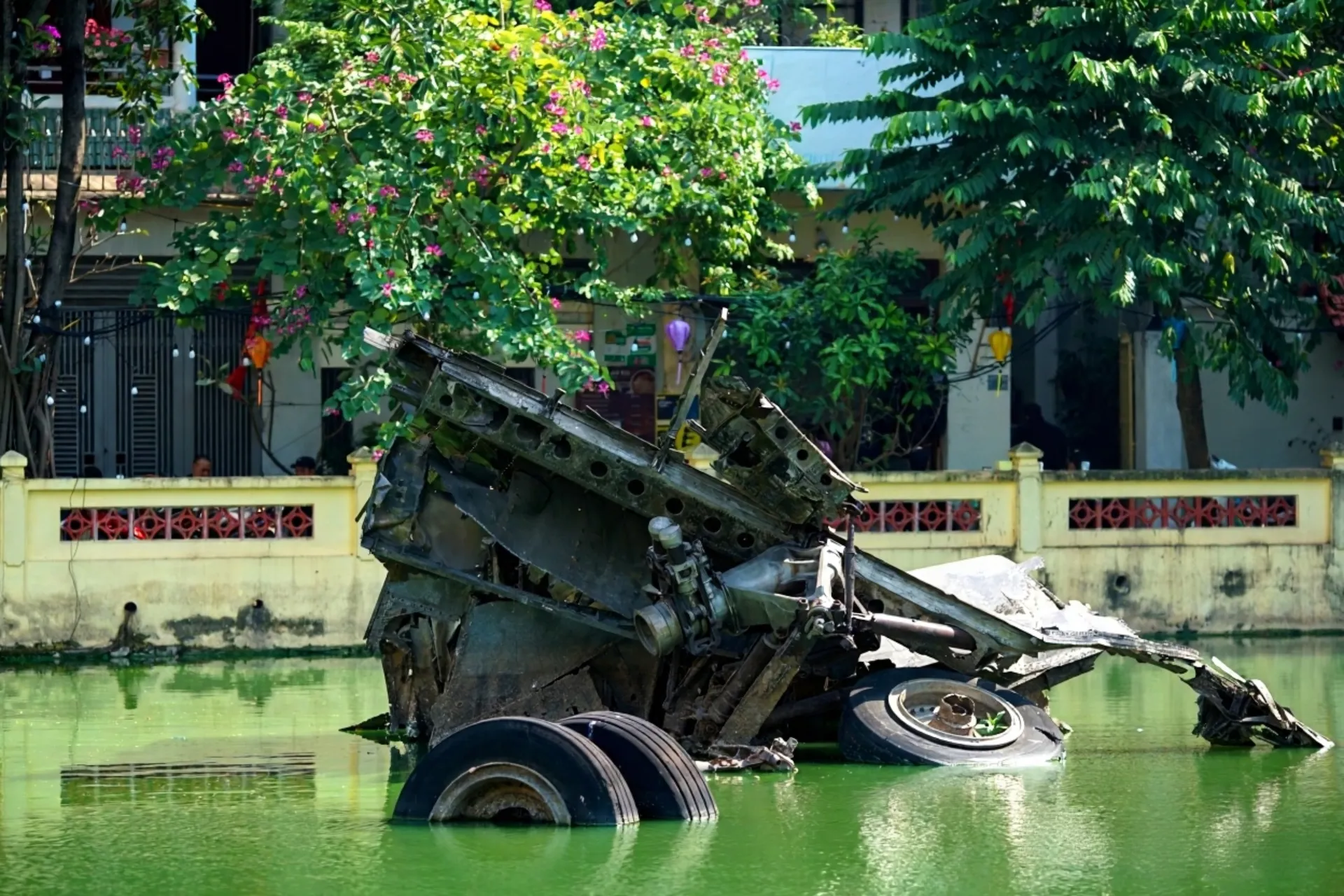
After being struck by a missile, the B-52 broke apart mid-air and crashed into Ngoc Ha Flower Village. Most of the fuselage and wings landed in Huu Tiep Lake in today's Ngoc Ha Ward. Photo: Huy Pham/ The Hanoi Times
With its large area and population, as well as its adjacency to key administrative and political centers of the country, Ngoc Ha Ward is an important locality in terms of political security, social order, and urban governance.
In recent years, Ngoc Ha has grown into a dynamic locality with a thriving service- and commerce-based economy, complemented by its traditional crafts and cultural tourism potential. Streets such as Lieu Giai, Van Cao, and Ngoc Ha buzz with modern cafes, specialty restaurants, and local markets, while still preserving the authenticity of Hanoi’s soul.
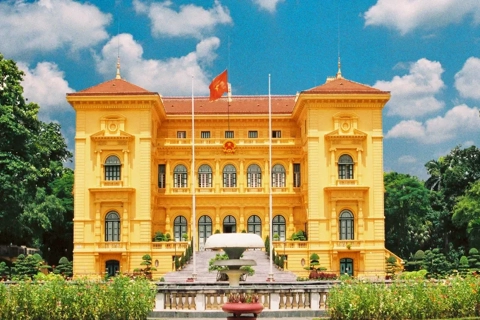
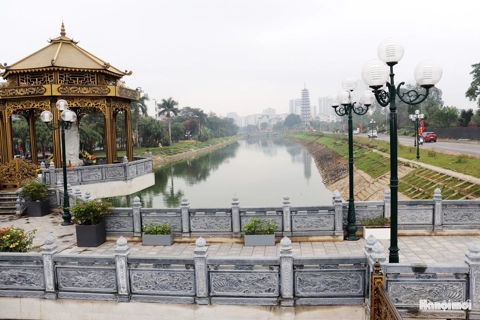
Besides, the ward boasts numerous traditional festivals, ancient villages, pagodas, and temples that captivate domestic and international tourists. These factors create favorable conditions for developing cultural, spiritual, and eco-tourism services, especially in such venues as the Hanoi Botanical Garden, Huu Tiep Lake, the Mansion of King Bao Dai and Ngoc Ha Lake.
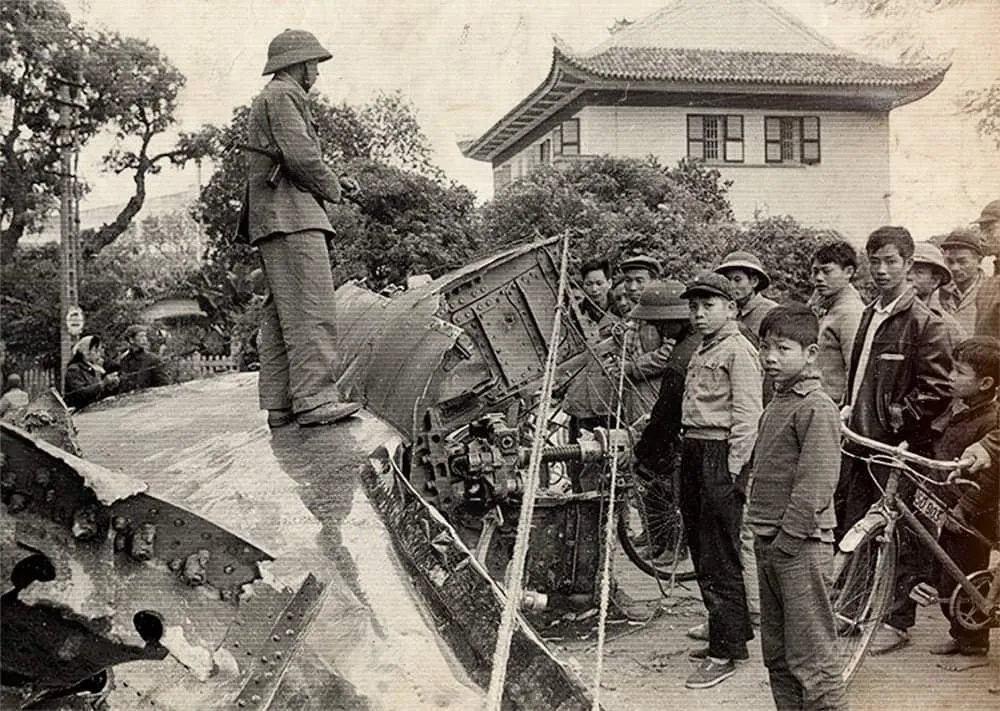
The historic photograph taken after the B-52 was shot down.
The charm of Ngoc Ha hasn’t gone unnoticed by the international community, and many foreign residents choose to settle in the ward. Sahra Lee, an Australian expat who has lived in Ngoc Ha for two years, told The Hanoi Times: “You can sip coffee under a banyan tree next to a thousand-year-old pagoda, then walk five minutes to a modern co-working space or a giant shopping mall."
"I love how the local community respects tradition but also welcomes change. It’s a peaceful, beautiful place to live that is very Hanoi, very human,” she stated.
Home to many famous relic sites
In terms of tangible cultural heritage, Ngoc Ha Ward is an area with the highest concentration of cultural, historical, and religious relics in the city, including communal houses, temples, and pagodas listed at the national and city levels.
Typical sights include Ngoc Ha Communal House, Dai Yen Communal House, Huu Tiep Communal House, Cat Trieu Temple, Dong Nuoc Temple, Bat Mau Pagoda, Vinh Phuc Communal House, and Quang An Pagoda, among many others.
As for revolutionary heritage, the President Ho Chi Minh Mausoleum and the Ho Chi Minh Museum rank among the most valuable in the system of Special National Relics, with great political and spiritual significance.
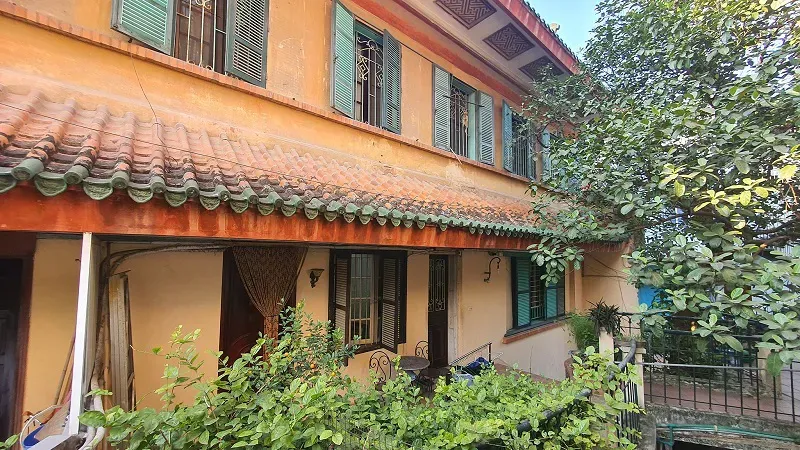
The Mansion of King Bao Dai in Ngoc Ha Street. Photo: Ho Hoang Hai
In addition, Huu Tiep Lake, located in Ngoc Ha Flower Village, is where the wreckage of a B-52 bomber is kept - a symbol of Hanoi’s victory in the resistance war against the US.
Similarly, the area around Ba Dinh Square is widely known as the site where President Ho Chi Minh read the Declaration of Independence in 1945.
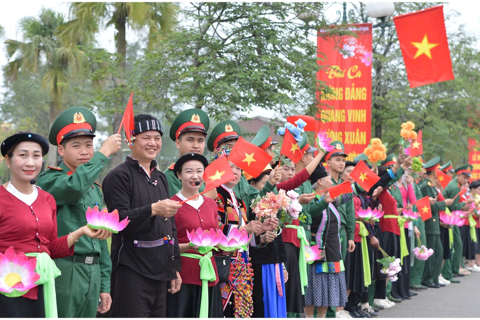
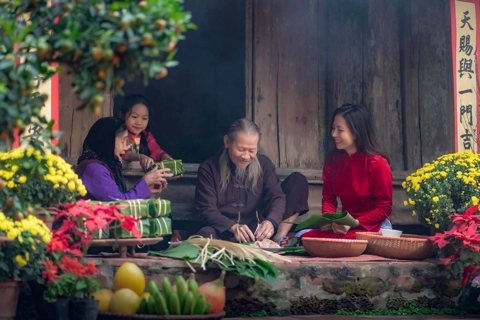
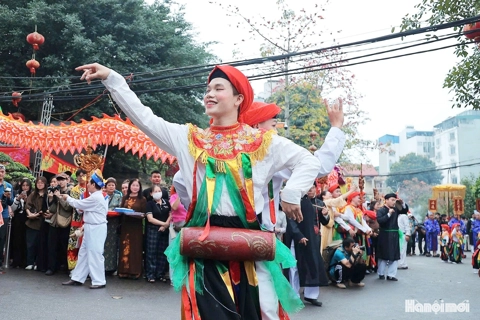
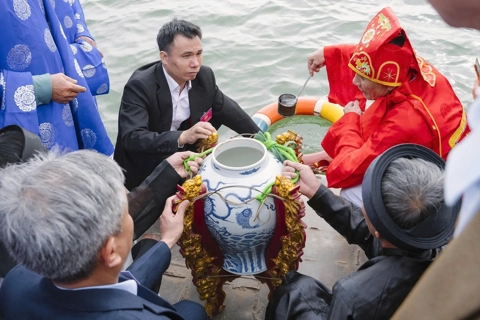
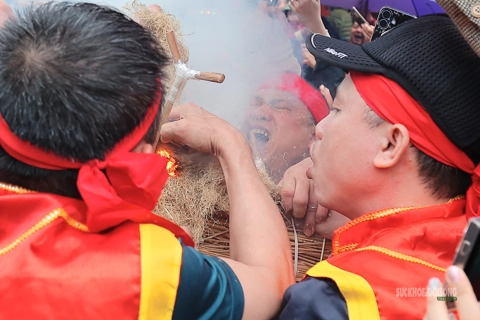
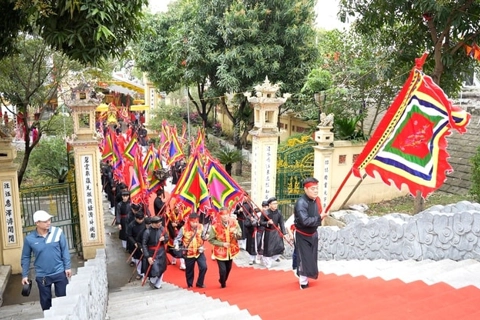
With regard to festivals and cultural life, village festivals are still maintained annually in Ngoc Ha Ward, attracting the participation of many locals and tourists. Typical events are the Ngoc Ha Village festival, Dai Yen Communal House festival, Van Phuc Communal House festival, Voi Phuc Temple festival, Tay Son Army’s victory anniversary festival at Kim Son Pagoda, and Cong Vi Village festival. During these festivals, villages’ tutelary god processions, Quan ho singing, Cheo singing, and folk games like cockfighting, duck catching, sticky rice steaming, and human chess are typical features that help preserve intangible values.
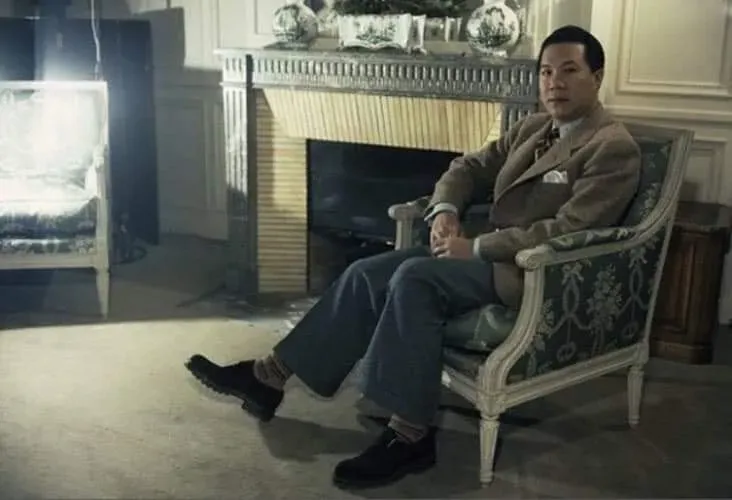
A file photo of Bao Dai, the last King of Vietnam, at his Ngoc Ha mansion in Hanoi.
Ngoc Ha today is considered a model of urban balance, representing what Hanoi aspires to be: sustainable, inclusive, historically aware, yet forward-looking. Whether you’re strolling through botanical gardens, enjoying tea with a local artisan, or attending a community theater performance, life here offers depth and discovery.
As Hanoi continues to grow, wards like Ngoc Ha show that with thoughtful planning and cultural respect, the city can preserve tradition alongside progress.