Open mindset needed for public-private partnership law: PM
All fields, except for security and national defense, must be open for investment, said Prime Minister Nguyen Xuan Phuc.
An open mindset is needed when it comes to drafting the Public-private partnership (PPP) Law to attract investment from all players, according to Prime Minister Nguyen Xuan Phuc.
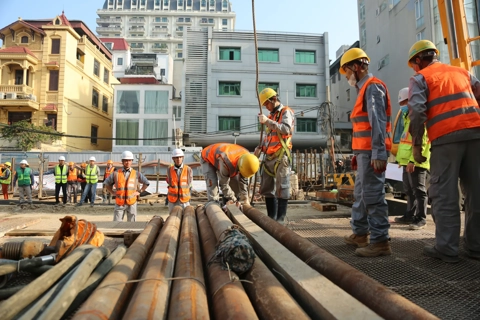
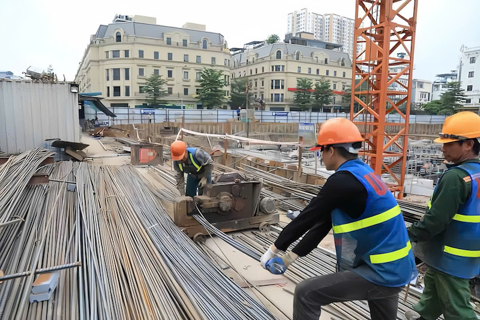
| Illustrative photo. |
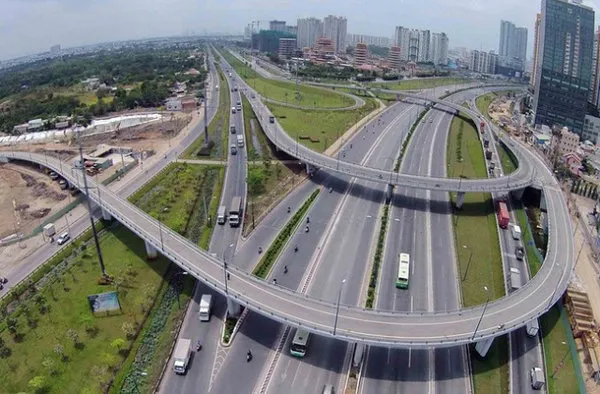
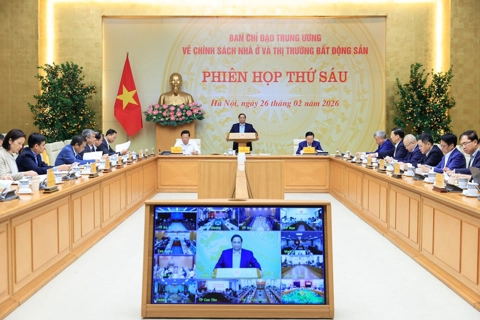
A specialized law on PPP is an urgent matter, Phuc said at a discussion session on the draft PPP law, which has been submitted to the National Assembly for consideration for the first time
According to Phuc, all fields, except for security and national defense, must be open for investment.
“A simplification of legal procedures would help maintain a positive investment environment, but an old mindset is restricting the country’s economic development,” said Phuc, adding foreign investors pay much attention to issues related to laws and regulations.
Meanwhile, Phuc said due to the lack of awareness about legal protection, domestic investors are still hesitant to pour money in PPP projects although locals hold huge idle resources.
“With the PPP projects, benefits would be divided among the state and investors. Prosperous people will lead to a strong country,” Phuc said.
Phuc also requested greater deregulation and transparency during the bidding process, as the state role in this case should be limited to drafting regulations and monitoring the process.
Nguyen Duc Kien, vice chairman of the Economic Committee under the National Assembly, said it is essential to maintain the principle of “the state is a fair partner of investors”, meaning that both the state and enterprises are on the “same boat” with equal risks and benefits.
However, a number of National Assembly deputies expressed concern over the risk sharing mechanism mentioned in the draft law.
The government proposed two options for risk sharing mechanism in terms of revenue. Firstly, the government would bear the maximum of 50% of losses between the actual revenue and the committed one in the contract. Secondly, the investors commit to share with the government not less than 50% of the difference in revenue between the actual and the committed figure.
A National Assembly deputy in Hanoi said such mechanism is unfair and inappropriate, as investors must bear all risks, if any, and should be applicable to special projects only.
Nguyen Van The, minister of Transport, said the risk sharing mechanism is necessary for PPP projects. In build-operate-transfer (BO) transport projects, investors normally request the government to ensure revenue and share risks, as well as a foreign currency exchange guarantee system.
The minister, however, said the percentage in the mechanism could be subject to further consideration.
Minister of Planning and Investment Nguyen Chi Dung said a guarantee mechanism for investors is one of the most controversial issues during the process of drafting PPP law.
Dung added it is vital to mobilize capital from private sources for major infrastructure projects as state capital is limited. “But if policymakers only think of the best for the state, it will be difficult to attract private investors,” asserted Dung.
“As concern about risks of a PPP project is not settled, the objective of raising funds from private investors would not be achieved, so a risk sharing mechanism is necessary,” Dung stressed.