Overseas Vietnamese see technology key to make Hanoi sustainable and worth-living
Hanoi is accelerating efforts to become a green, smart and sustainable city, a process that views overseas Vietnamese as a vital resource and an important bridge in driving this transformation.
THE HANOI TIMES — Technology is the key for Hanoi to improve its environment and build a sustainable, smart and livable city, Professor Le Thanh Nhan, a France-based overseas Vietnamese scholar, said on February 6.
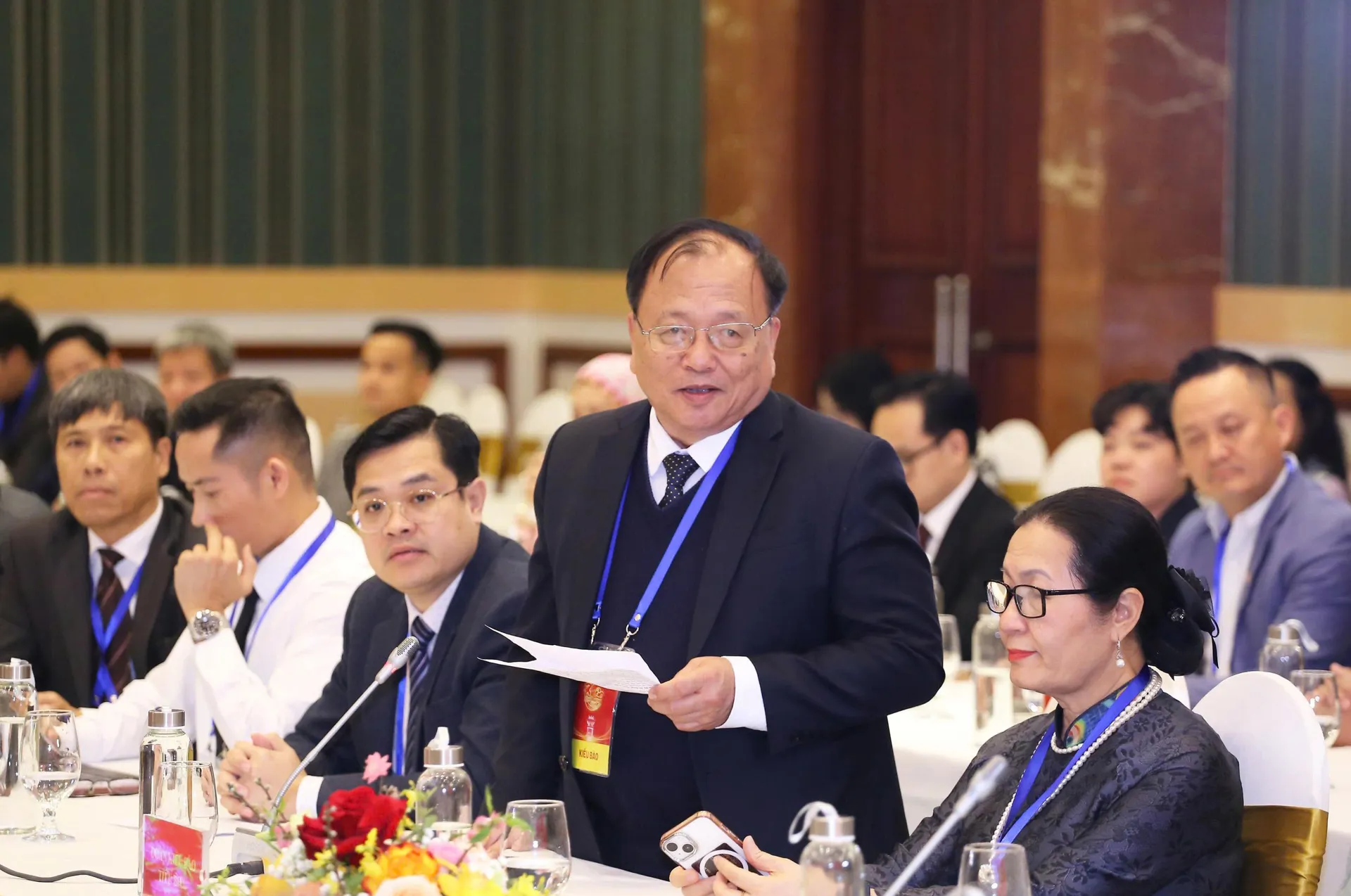
Professor Le Thanh Nhan, a France-based overseas Vietnamese scholar. Photo: State Committee for Overseas Vietnamese
Nhan was among thousands of overseas Vietnamese who returned home for family reunions during the 2026 Tet (Lunar New Year) holiday and to attend the upcoming Xuan Que Huong (Homeland Spring) program.
“Hanoi is where I was born and raised. At the age of 25, I went to France for research and teaching. My desire to contribute to this city has always remained strong,” he said at a meeting between Hanoi authorities and overseas Vietnamese from 32 countries and territories.
Professor Nhan noted that many global cities are adopting integrated urban governance models that rely heavily on digital tools and data, suggesting Hanoi follow a similar path toward sustainable development.
“We want to place particular emphasis on environmental management, which remains one of the most pressing challenges for many developing cities, including Hanoi,” he said.
He stressed the need to build a large-scale automated environmental information system using big data, artificial intelligence and smart sensors to continuously monitor air quality, water resources, noise levels, waste and urban climate risks.
“Such systems would allow authorities to move from reactive responses to proactive management, from addressing consequences to preventing risks, thereby better protecting public health and improving living conditions,” Nhan said.
Meanwhile, Professor Nguyen Quang Phuoc, an overseas Vietnamese scholar based in South Korea, shared the country’s experience in applying artificial intelligence and drones in urban management, healthcare and agriculture.
He proposed that Hanoi establish sandbox zones and AI testing centers to ensure the safe, effective and well-regulated deployment of emerging technologies.
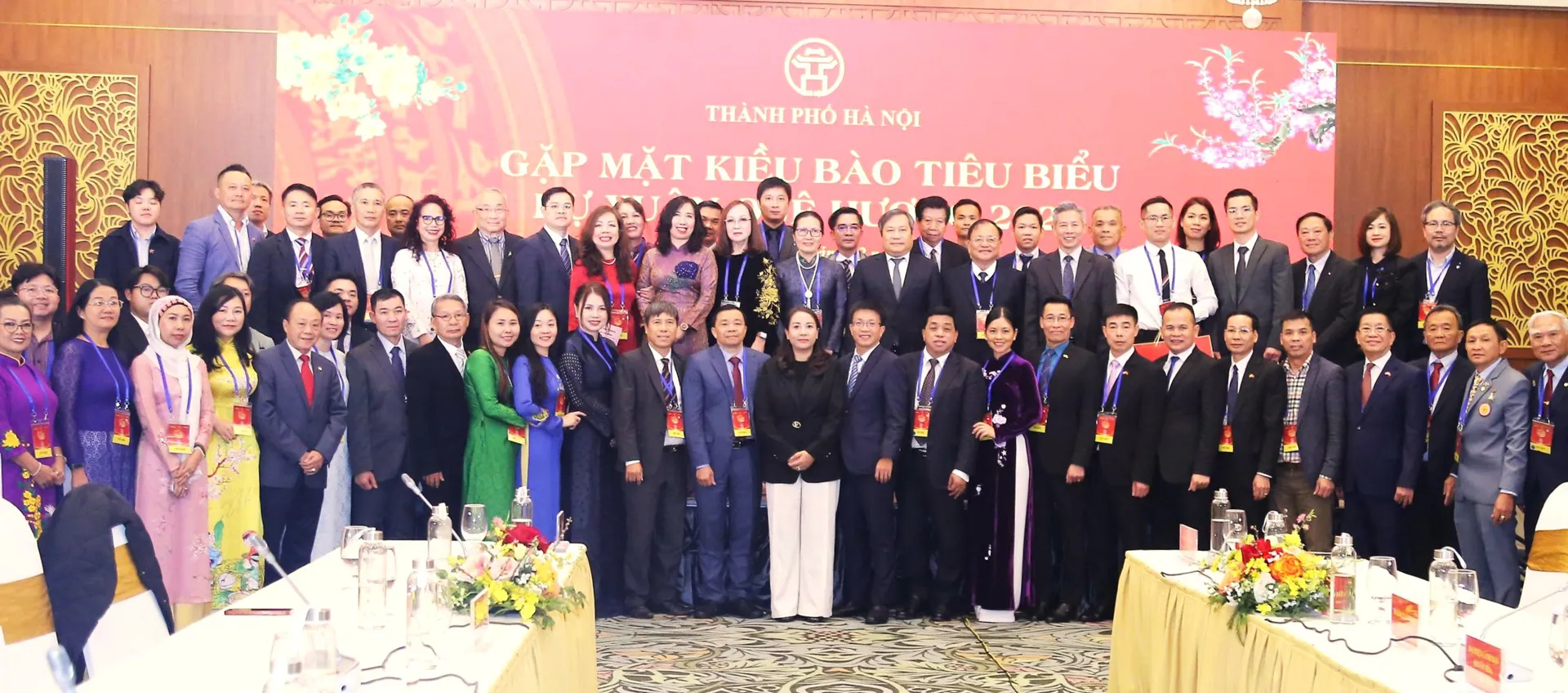
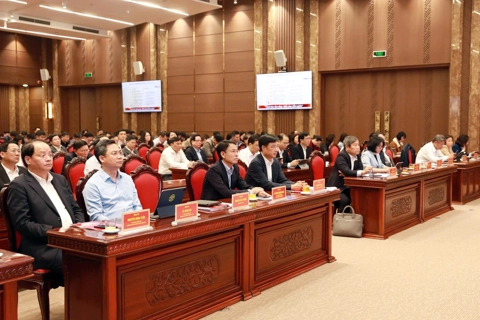
The meeting's overview.
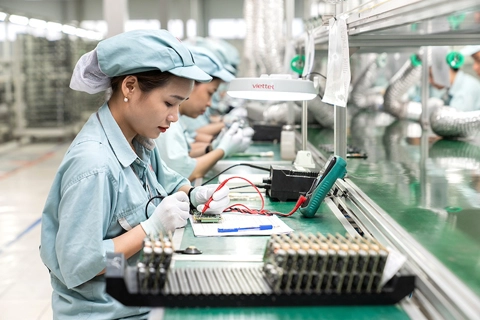
Drawing on Australia’s semiconductor development model, Nguyen Phuc Binh, a representative of the Vietnam Innovation Network in Australia, suggested a roadmap for Hanoi and Vietnam to deepen participation in the global semiconductor value chain beyond contract manufacturing.
Dr. Ha Son Tung, an overseas Vietnamese expert based in Singapore, highlighted the importance of infrastructure and policy stability in building innovation ecosystems. He proposed measures to help Hanoi strengthen cooperation and mobilize resources for science, technology and innovation.
Tapping a valuable resource
Deputy Minister of Foreign Affairs Le Thi Thu Hang said science, technology and innovation are key drivers of national development in the new era, noting that overseas Vietnamese communities include a large pool of intellectuals, scientists and successful entrepreneurs.
“This reflects the growing strength, deeper integration and rising international standing of the Vietnamese community worldwide,” she said.
Hang stressed that the Party and State consistently regard overseas Vietnamese as an inseparable part of the nation.
Although living abroad, overseas Vietnamese continue to maintain strong ties with the homeland through practical contributions, cultural promotion and preservation of the Vietnamese language, helping project Vietnam’s image globally, she added.
Echoing this view, Chairman of the Hanoi People’s Committee Vu Dai Thang said 2025 marks a particularly important year for the capital as it enters a new phase of development alongside the country.
“In this historic period, Hanoi is committed to accelerating socio-economic growth, improving living standards and preserving cultural traditions, while reaffirming its role as the nation’s political, economic, cultural, scientific and international integration hub,” Thang said.
To achieve these goals, the city is implementing long-term strategies focused on renewing its growth model, advancing science and technology and promoting digital transformation, he said.
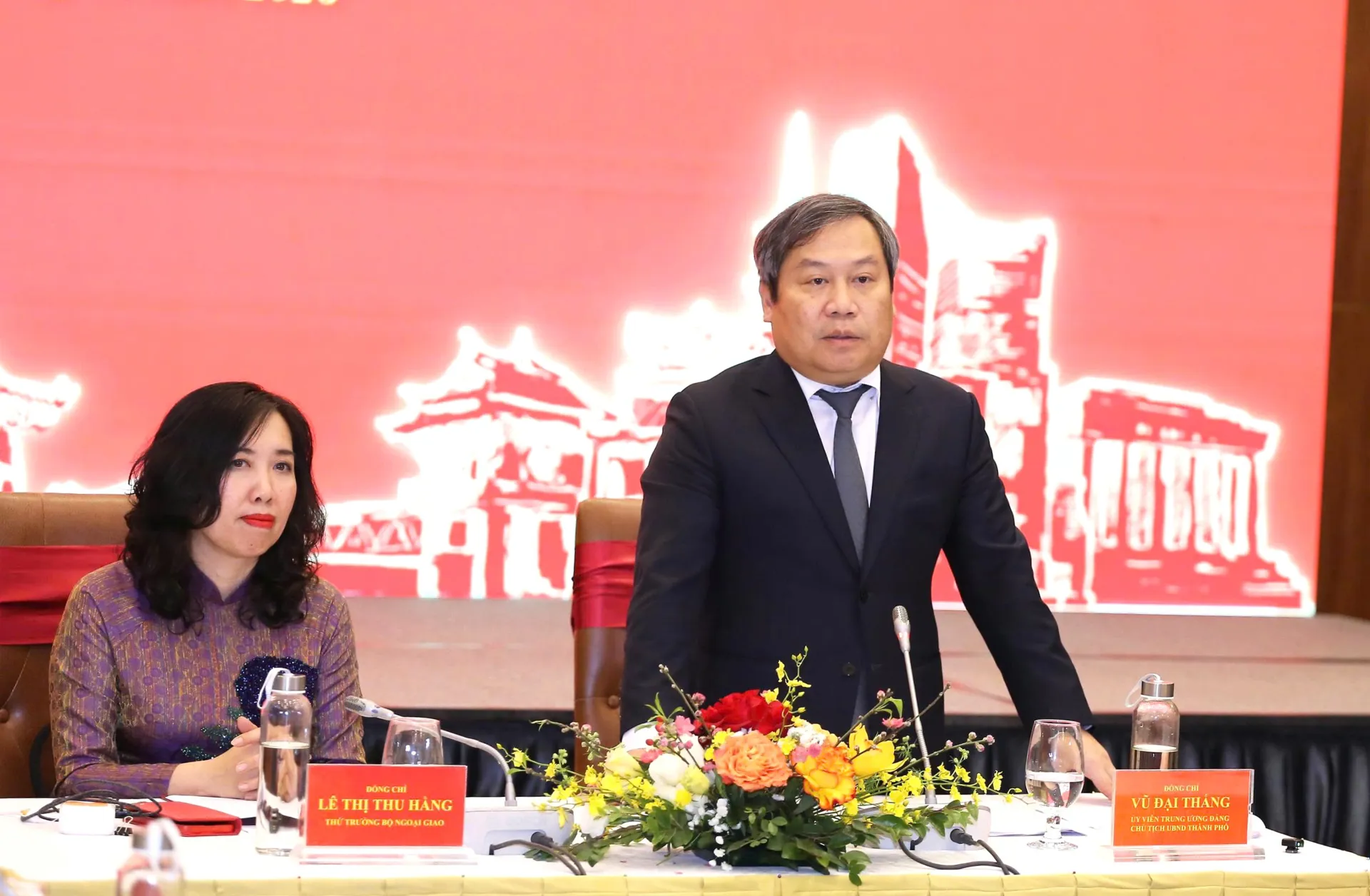
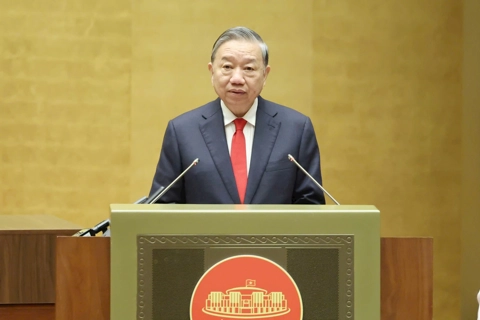
Chairman of the Hanoi People’s Committee Vu Dai Thang speaks at the meeting.
Hanoi is working to build a strong innovation ecosystem, develop high-tech industrial zones, research hubs and innovation centers and move toward becoming a green, smart, modern and sustainable capital.
Throughout this process, overseas Vietnamese remain a vital resource and an important bridge for international cooperation, investment attraction and knowledge and technology transfer, Thang said.
He added that the city continues to improve its investment and business environment to create favorable conditions for overseas Vietnamese to explore business and investment opportunities in Hanoi.
Beyond investment, the city hopes to receive more intellectual contributions from overseas Vietnamese experts, scientists, entrepreneurs and cultural figures in areas including science and technology, culture, tourism, education, urban development and heritage preservation.
According to Thang, Hanoi aims to become a city deeply rooted in cultural identity while achieving regional and global stature as an attractive destination for visitors worldwide.
“I hope that every Vietnamese, wherever they may live, will always look toward the homeland and continue to accompany the country’s development in general and Hanoi’s progress in particular, helping Vietnam move forward with confidence in this new era,” he said.
He added that Hanoi is continuously improving its investment and business environment to create the most favourable conditions for overseas Vietnamese to explore investment and business opportunities in the capital.
Beyond investment, the city also hopes to continue receiving intellectual contributions from overseas Vietnamese experts, scientists, entrepreneurs and cultural figures across areas such as science and technology, culture, tourism, education, urban development and heritage preservation.
According to Thang, Hanoi aims to become a city deeply rooted in cultural identity while also possessing regional and global stature - an attractive destination for friends and visitors from around the world.
“I hope that every Vietnamese, wherever they may be, will always look toward the homeland and continue to accompany the country’s development in general and Hanoi’s progress in particular, working together to help Vietnam move forward confidently in this new era.”