Party chief urges Hanoi to prioritize citizen-centered governance, local autonomy
General Secretary To Lam called for efficient, citizen-focused governance and stronger local autonomy during a voter meeting in nine Hanoi communes.
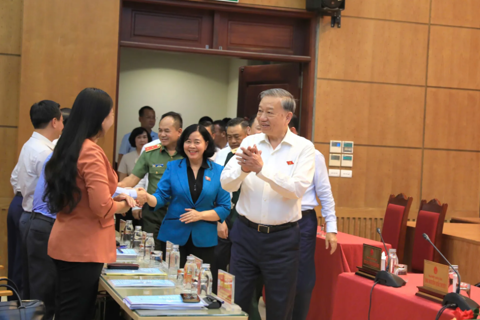
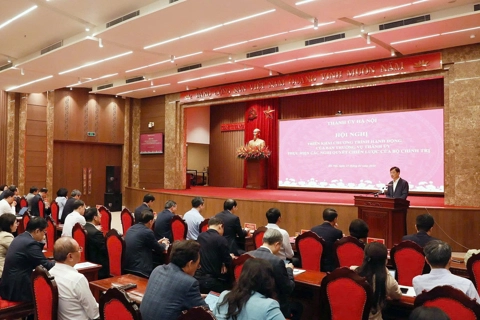
THE HANOI TIMES — Party General Secretary To Lam called on Hanoi authorities to prioritize citizen-centered governance, strengthen local autonomy and ensure efficient public administration during a meeting with voters from nine Hanoi communes on September 30 ahead of the 10th session of the 15th National Assembly.
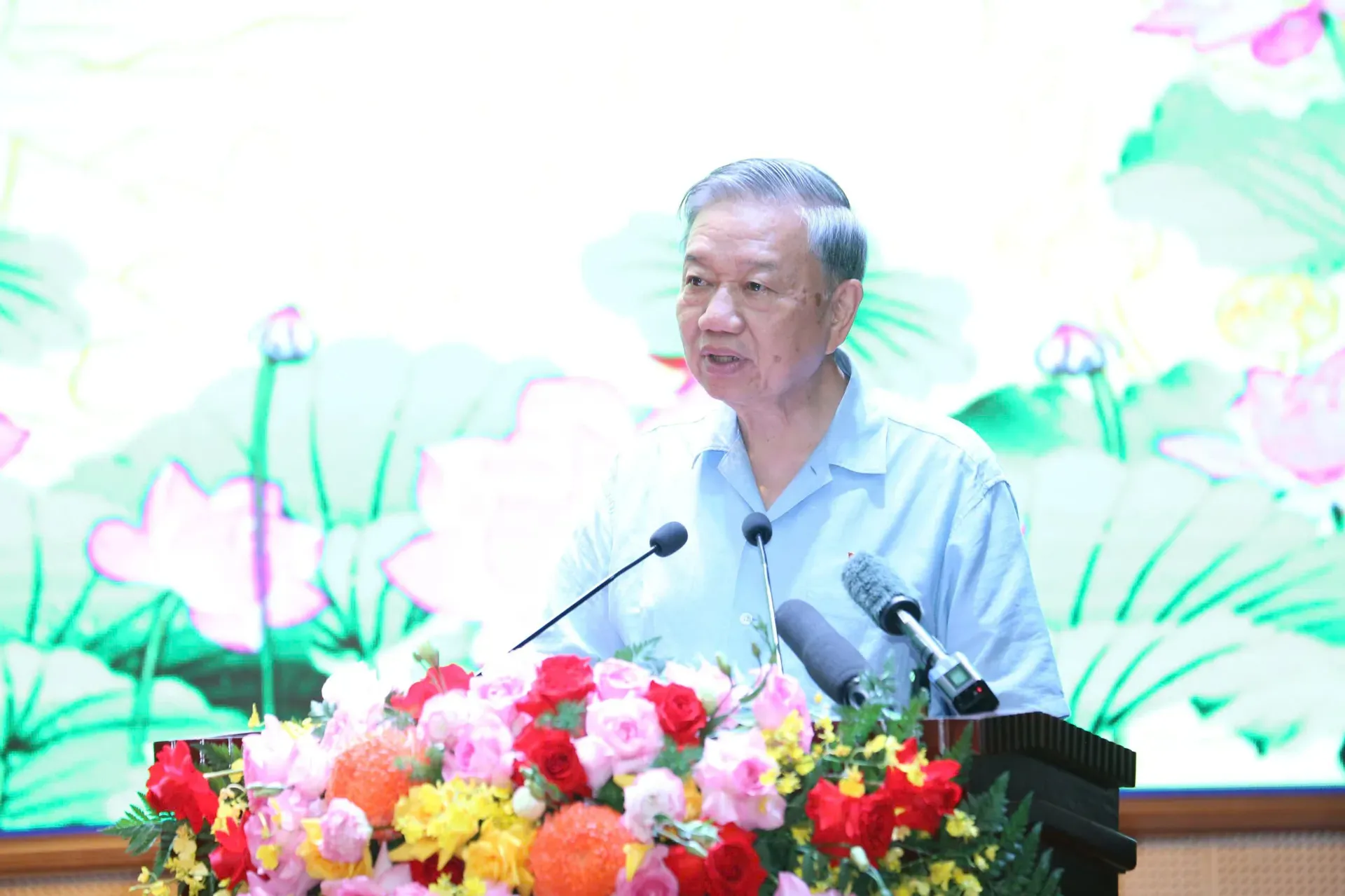
The meeting, held at Quang Minh Commune, brought together local voters, municipal leaders and Hanoi’s National Assembly delegation from electoral unit No. 10. The nine communes represented included Soc Son, Da Phuc, Noi Bai, Kim Anh, Me Linh and Quang Minh.
Voters expressed appreciation for the government’s social welfare policies, the effectiveness of the new two-tier local governance model, and decentralization reforms that empower local authorities and foster innovation.
They also highlighted recent achievements under the Party and State, such as successful healthcare and education initiatives, administrative reform and the delivery of social benefits like tuition waivers, school lunch support, free health checkups and National Day cash gifts.
Voters also praised the organization of the 80th anniversary of the August Revolution and National Day celebrations on September 2. They described the national parade and festivities in Hanoi as a “nationwide festival,” showcasing Vietnam’s strength, resilience, and progress after 80 years of independence.
Voters welcomed the Party and State’s achievements in international relations and global integration, noting the opportunities created for Vietnamese agricultural exports to expand into global markets.
Decentralization and local autonomy
Since the two-tier local government model took effect, voters have highly appreciated the strong decentralization policies, which allow communes to act promptly and creatively. The new system enables local governments to solve citizen issues more efficiently, fostering proactive administration and reducing public frustration.
Nguyen Van Son from Quang Minh Commune noted that after administrative restructuring, local officials now have sufficient capacity and qualifications to implement decentralized responsibilities.
“Decentralization allows localities to act independently, make decisions and take responsibility for outcomes, encouraging innovation and development,” said Son.
Son and other voters recommended that the Party and State continue to address challenges following the merger of administrative units, maintain a streamlined but effective government structure, and continue improving administrative procedures through digitalization and data integration to serve citizens efficiently.
Tran Nguyen Ngoc from Me Linh Commune suggested further reforms to remove regulatory bottlenecks and create a unified legal framework to facilitate agricultural economic development and improve construction laws.
Ngoc recommended that the National Assembly, Government and Hanoi authorities support trade promotion, help connect local producers to major distribution networks, build strong agricultural brands, guide farmers on international production standards, and expand cooperation with promising foreign markets.
“Such measures would not only increase agricultural exports from communes like Me Linh but also enhance the global reputation of Vietnamese products, raise farmer incomes and support sustainable agricultural development,” said Ngoc.
Citizen-centered governance, healthcare and education
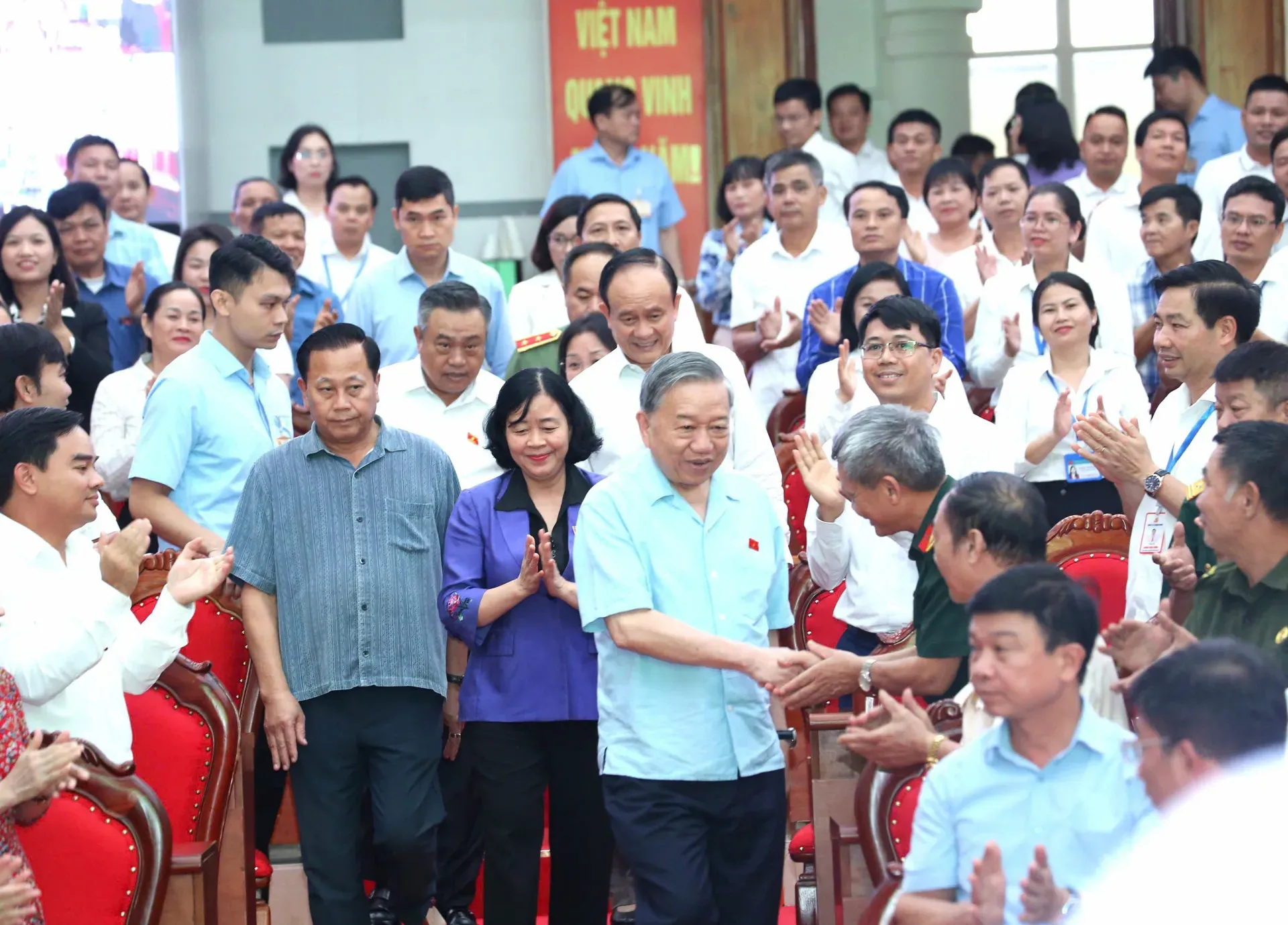
Party General Secretary To Lam, along with Hanoi city leaders, attended the voter meeting.
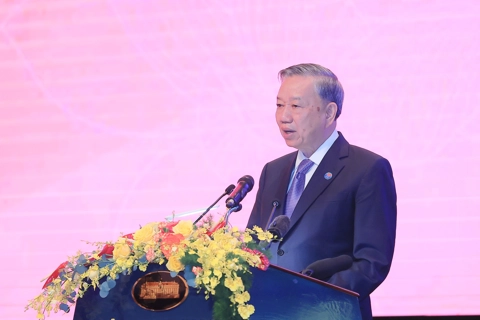
Party chief To Lam highlighted the transformation of local governance in recent months, noting improvements in approaches, thinking and operational methods.
He said that commune governments must be close to the people and responsive. “If the commune authority doesn’t know, no one will. Issues that can be resolved immediately must be addressed, and those that cannot must be reported to higher authorities for resolution.”
He expressed satisfaction that voters emphasized education and healthcare, key priorities for human development. Children, women and the elderly must receive priority in healthcare access.
“With universal lower secondary education, students must also have access to upper secondary education to prevent child labor and legal violations,” said Lam.
He stressed the importance of lifelong learning, vocational training and technology education, calling for clear and prompt policies to support these areas.
On planning, construction and land issues, Lam said it’s needed to outline visionary planning, public disclosure of plans and effective management of communal and urban resources. He noted that the two-tier government model has already helped resolve planning challenges.
Regarding land, Lam said that all land belongs to the people, with the State as the unified owner. “Privatization is prohibited. The State must exercise ownership efficiently, prevent waste, allocate land value fairly and optimize land resources for sustainable development.”