Policymakers back proposals to streamline Law on International Treaties
Lawmakers discuss measures to simplify procedures and speed up Vietnam’s handling of international treaties, enhancing flexibility in urgent foreign affairs cases.
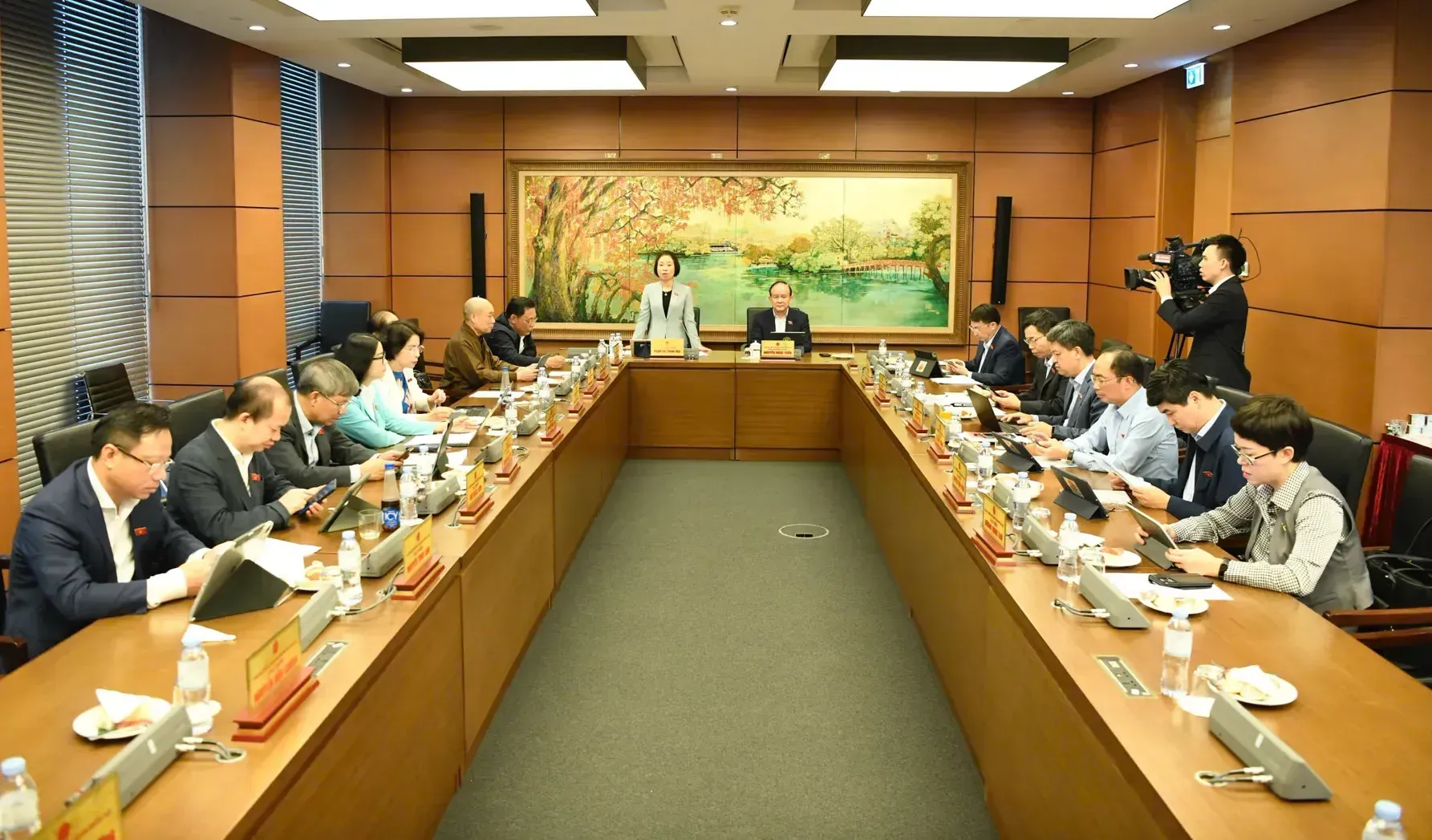
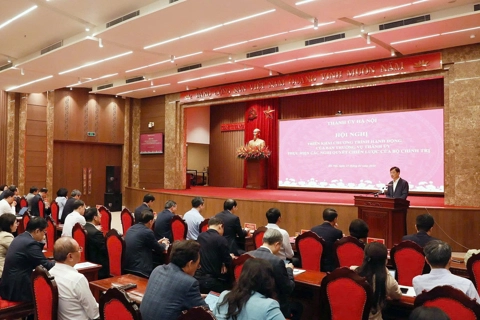
THE HANOI TIMES — Vietnam’s National Assembly deputies on October 31 voiced support for empowering the Prime Minister to negotiate, sign and amend international treaties in urgent situations, a key provision in the draft amendment to the Law on International Treaties aimed at boosting flexibility and efficiency in the country’s foreign affairs.
The draft law, discussed during the 10th session of the 15th National Assembly, seeks to simplify procedures, shorten processing time and clarify the division of authority between the Government, the Prime Minister and relevant agencies.
Lawmakers said these changes would help strengthen proactivity and accountability while maintaining strict legal control and upholding national sovereignty.
Clarifying authorization scope and accountability
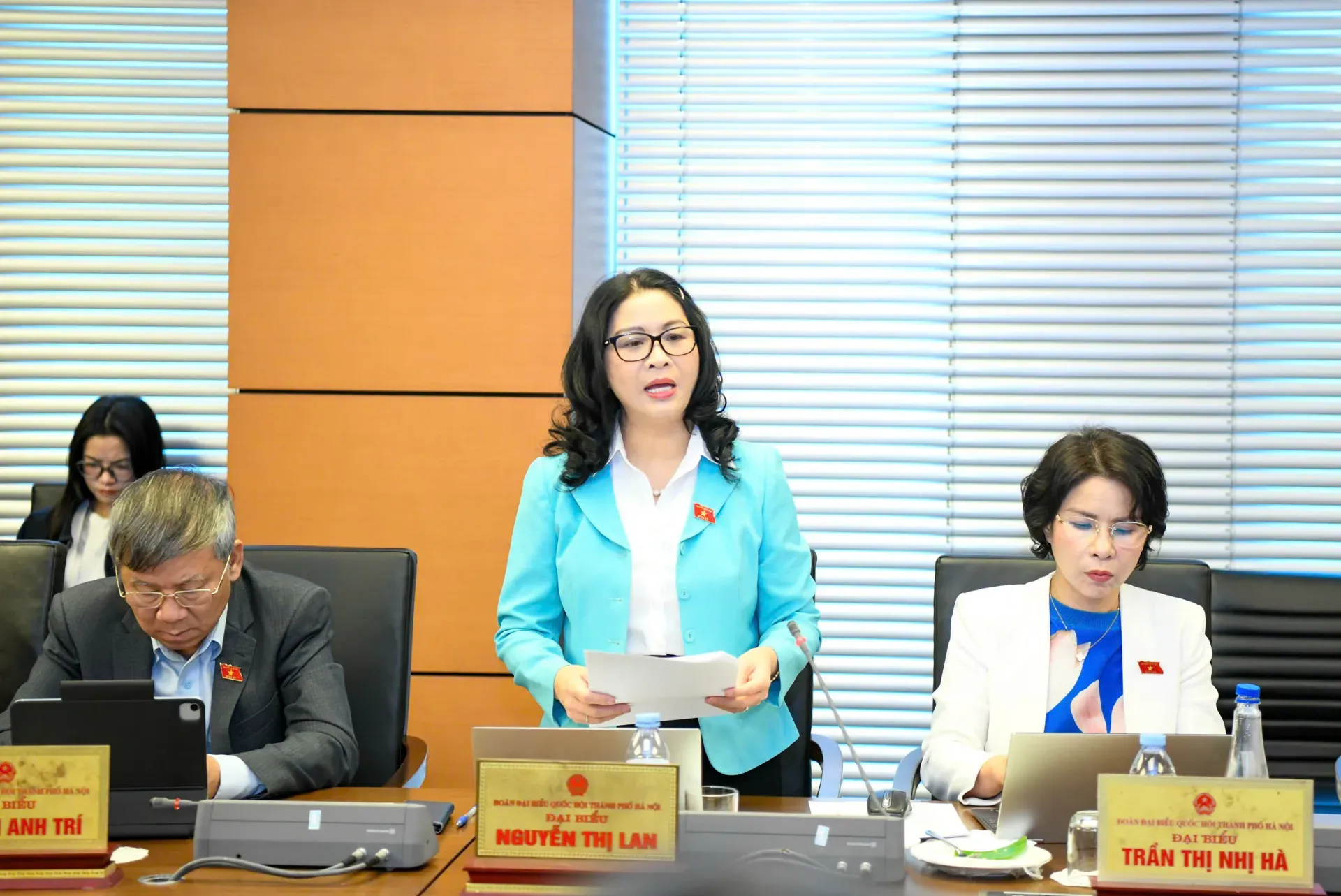
National Assembly deputy Nguyen Thi Lan from Hanoi. Photos: Ho Nhu Y
National Assembly deputy Nguyen Thi Lan from Hanoi commended the draft law for its progressive features, such as allowing electronic dossiers and publication on online gazettes, marking what she called “a strong step in administrative reform and digital transformation.”
Lan said it is important to clearly define the scope, subjects, duration and conditions of delegation, particularly regarding the provision that allows the State President to authorize the Prime Minister to decide on international negotiations and treaty signings in urgent circumstances.
“Such a mechanism would enable faster responses to diplomatic needs while maintaining constitutional and legal transparency,” said Lan.
However, Lan suggested that the law should specify the responsibilities of the leading agency and its head, include measures to handle delays in processing dossiers, and set out clear timelines and coordination mechanisms to ensure implementation.
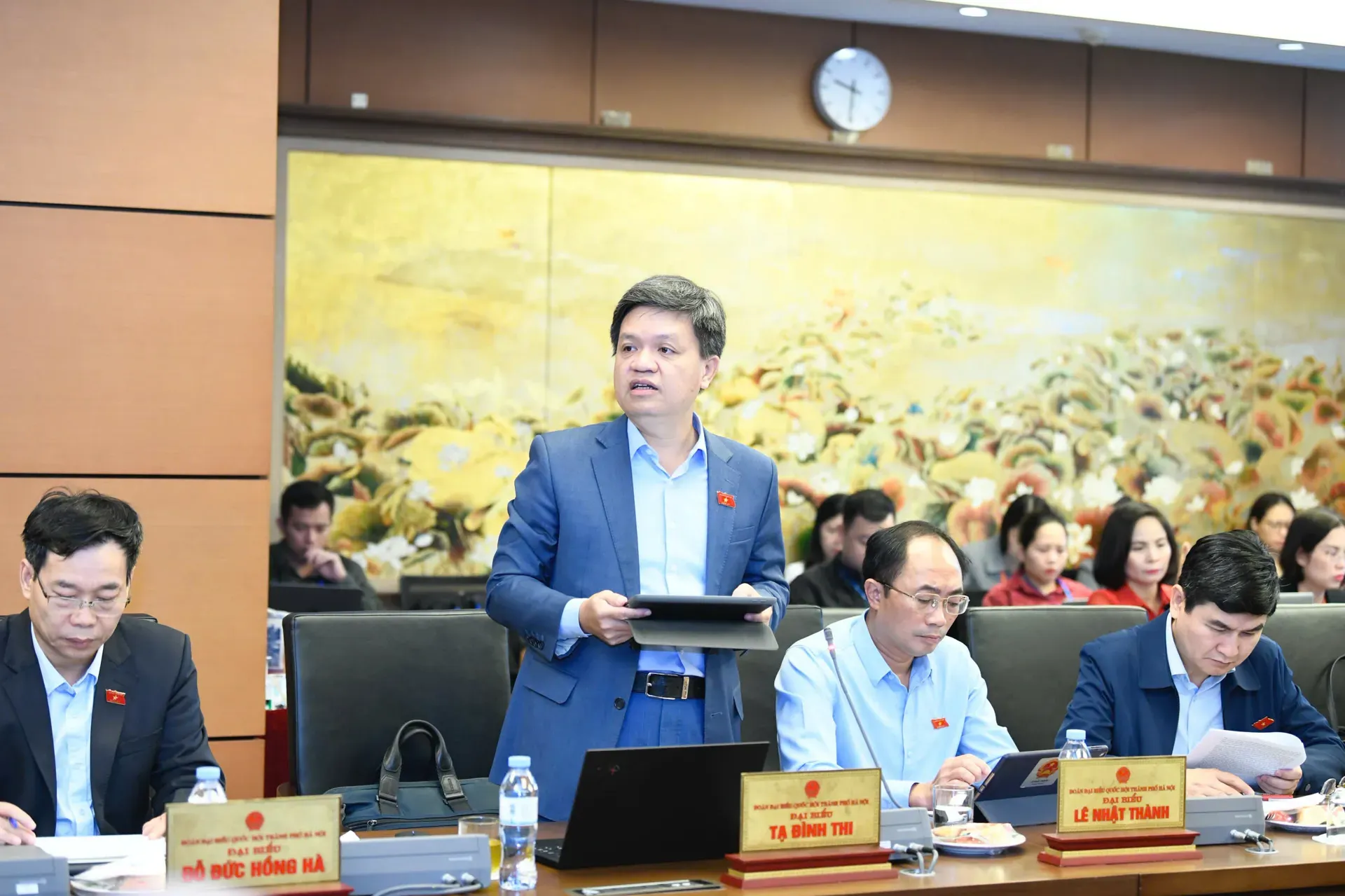
Hanoi deputy Ta Dinh Thi praised the draft for cutting red tape and strengthening decentralization and delegation. He called the new Article 72a, which allows the State President to authorize the Prime Minister in special diplomatic cases, “a crucial and realistic provision” that maintains legal integrity while ensuring agility in international affairs.
Thi, however, said that the shortened processing time of 10 or even five working days could put pressure on key agencies such as the Ministry of Foreign Affairs and the Ministry of Justice.
He recommended assessing resource needs and enhancing human, financial and technological capacities to ensure effective implementation. He also proposed the creation of an integrated online system to manage international treaties, improving transparency and coordination among government bodies.
Ensuring constitutional compliance and preventing overreach
Deputy Nguyen Duy Minh from the central city of Danang agreed that granting the Prime Minister emergency authorization would enhance flexibility in foreign affairs but stressed the need for strict conditions and limits. He noted that such delegation should not apply to criminal treaties, which directly concern Vietnam’s judicial sovereignty and international obligations.
Deputy Doan Thi Le An from the northern mountain province of Cao Bang supported the amendment as essential for timely governmental response in emergencies, consistent with the Constitution’s provisions on delegated powers.
However, she cautioned against potential overreach, emphasizing that authorization must not cover treaties related to war, peace, national sovereignty, or the establishment of international organizations.
An proposed an additional clause requiring the Ministry of Foreign Affairs to monitor and report on the implementation of delegated authority, and to advise the Prime Minister on handling any issues that arise beyond the authorized scope.
Overall, lawmakers agreed that revising the Law on International Treaties is a timely step to strengthen Vietnam’s legal framework for international cooperation, ensuring the nation remains both proactive and legally grounded in an increasingly dynamic global landscape.