Railways are blood veins of Vietnamese economy: Deputy Prime Minister
Vietnam will need more than VND550 trillion (US$23.2 billion) to expand the network of seaports, inland ports, and railways, according to the master plans for developing these infrastructures in 2021-2050 approved by the Prime Minister.
The national railway network must be developed to meet the needs of socio-economic growth, Vice Premier Tran Hong Ha stressed on March 2.
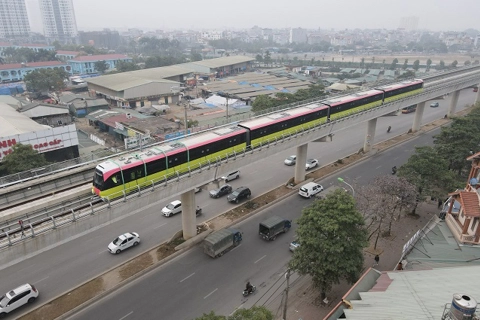
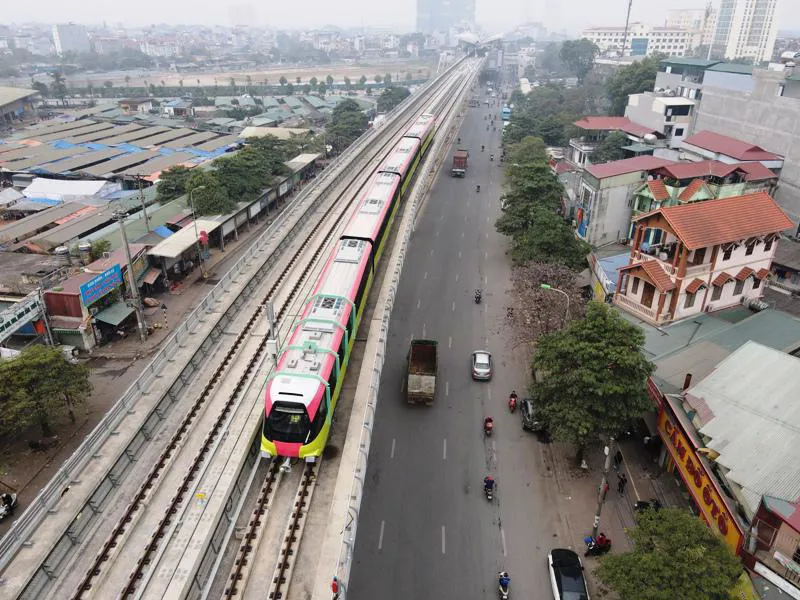
| The Nhon - Hanoi Station rail line in a test run. Photo: Pham Hung/The Hanoi Times |
"The railways must be the veins that link economic centers with seaports and strengthen the competitiveness of the economy," he said during a meeting with the Ministry of Transport.
"The development of the railway network should be based not only on repairing the tracks, but also on meeting updated standards to serve future socio-economic growth activities," the Deputy Prime Minister said.
Modern railways should be well developed to ease traffic congestion in major cities, he said, adding that the railway sector should be able to master the technologies, materials and equipment needed for further development.
He also praised the Ministry of Transport for its efforts in implementing the master plans for railway development.
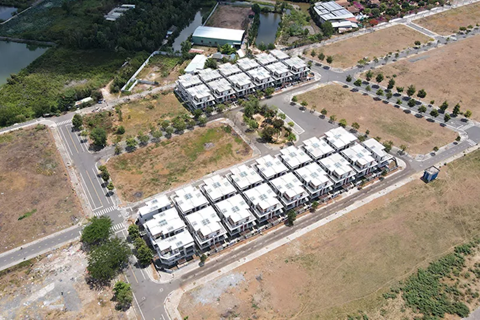
Deputy PM Ha asked the Ministry of Transport must work with the Ministry of Natural Resources and Environment to resolve relevant problems in land planning and development to clear the areas for railway construction.
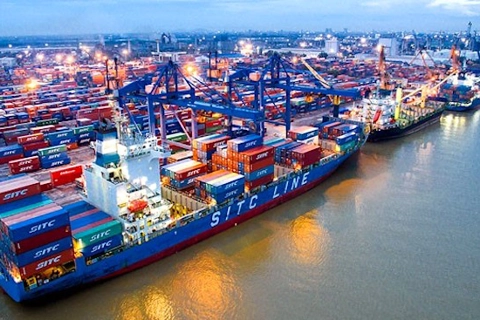
Regarding the development of seaports, the Deputy Prime Minister asked the Ministry of Transport to consider multi-purpose seaports and inland waterway ports to explore the full potential of the country's rivers and seas.
The master plans for the development of seaports and railways in 2021-2050, approved by the Prime Minister, will require more than VND550 trillion (US$23.2 billion).
Funds for these projects will come from the state budget and from private and non-state investors. The government is expected to build key public infrastructure with public funding to attract potential investors. All projects should be focused on and able to have groundbreaking effects on the national transport system.
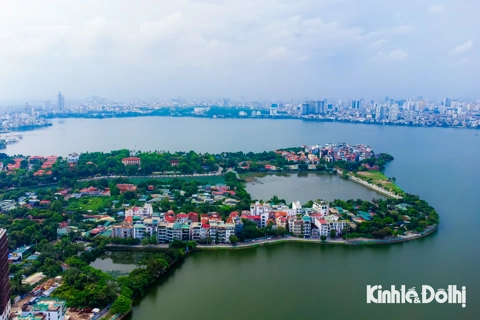
Government asks to expand Hanoi rail lines to neighboring provinces The Government has requested Hanoi and neighboring provinces to create a regional railway network to boost socio-economic growth. The railway lines will link Hanoi with four neighboring provinces of Bac Ninh, Hung Yen, Ha Nam, and Vinh Phuc. Of the five subnational entities, Hanoi is the only one to operate an urban railway, the Cat Linh-Ha Dong line, which has been in operation for more than a year. The capital plans to build a network of ten railway lines with a total length of 417 kilometers by 2030. Another railway line in Hanoi, the Nhon Line - Hanoi Station, is currently being tested. The project remains stalled and behind schedule. Its developer has postponed its inauguration until 2027. Other projects are now in preparation and land clearance. In particular, the line stretches 11.5 kilometers from the Ciputra Urban Area to Tran Hung Dao Street through the Old Quarter, and one of its stations is located next to Hoan Kiem Lake. At present, travel between Hanoi and neighboring provinces is mainly by road. The Hanoi Municipal Government has been tasked to work with them to complete the construction of Ring Road No. 4 and expand National Highway No. 6 soon. |