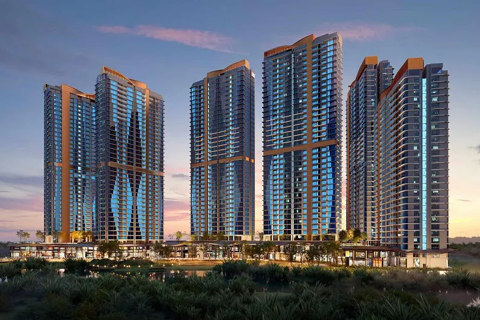
Real estate investors from HCM City look to Hanoi
Legal transparency is believed to be one of Hanoi's strengths.
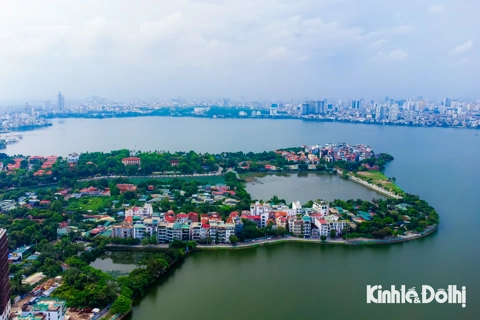
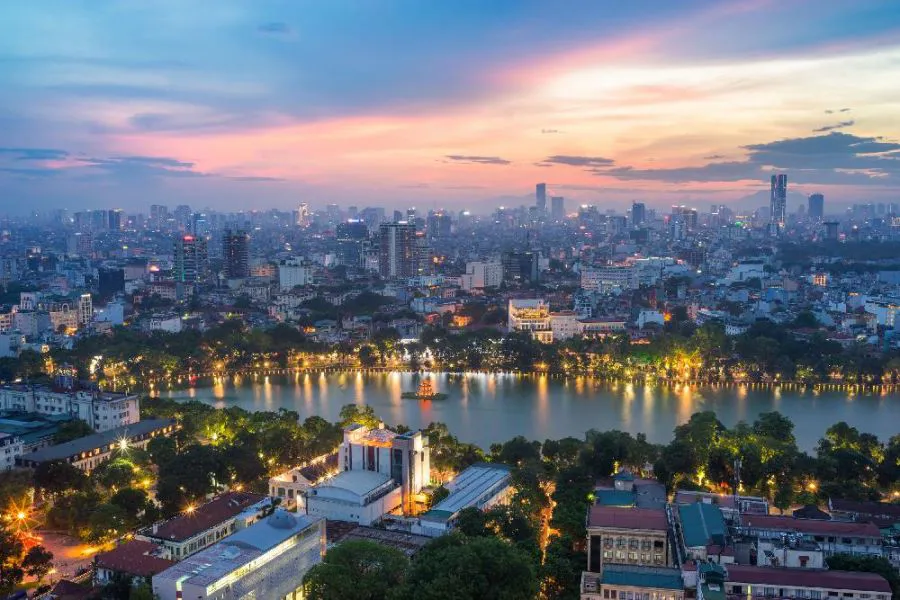
Hanoi’s real estate sector has witnessed a growing investment interest from Ho Chi Minh City that is understandable thanks to the capital city’s attractiveness.
Hanoi appears to be a favorite destination for foreign and Ho Chi Minh City investors |
Savills Vietnam has attributed the movement to three main factors namely legal transparency, investors’ wish to bring a new development trend to Hanoi, and ability to provide affordable housing that holds high potential demand.
Ms. Do Thi Thu Hang, Savills Hanoi Advisory Services Director, elaborates that legal transparency reassures developers while developers from Ho Chi Minh City (HCMC) and overseas want to bring a new development trend to the Hanoi market as the quality of projects in Hanoi is generally lower than in southern markets from their perspective. In addition, developers have their own ability and capacity to combine with others to create low-income products that can still meet expectations.
Echoing Ms. Hang, Ms. Hoang Nguyet Minh, Savills Hanoi Associate Director of Investment, said HCMC developers see more opportunities in the more flexible transaction structure in Hanoi.
She said while overall demand has eased, the sentiment for affordable apartments has risen rapidly in recent years.
Bringing investment perspective, Ms. Hoang Nguyet Minh said HCMC developers have strengths in developing a diverse range of housing business models with major domestic and foreign developers in HCMC including Capital Land, Mitsubishi, Nam Long, and Masterise who are increasing their competitiveness by product quality for their projects in HCMC. Increasing land scarcity in HCMC and lower quality of the residential market in Hanoi are creating this shift to Hanoi to find new opportunities.
“The biggest problem for HCMC developers is looking for potential projects and cooperation opportunities with Hanoi landlords. To solve this issue, developers are introducing flexible general transaction structures, promoting their advantages of creativity in project development to encourage cooperation opportunities with developers in Hanoi. Previous investment rate is required to be over 76%, now the rate can be more flexible with 51% to enter Hanoi market”.
Meanwhile, Ms. Hang said: “The Hanoi market continues to be price sensitive and uncertain with the lack of Grade A supply. There is robust demand for affordable products. When Covid-19 is controlled, the market will recover sustainably thanks to long-term economic and population growth.”
Currently, the success of developers from HCMC in Hanoi market is still a big question. Ms. Hang explained: “Hanoi's consumer psychology can be considered a major challenge for developers from HCMC since they may not fully understand the needs and real estate market in Hanoi, particularly the price. Projects in central HCMC can be over US$10,000/m2. However, those projects in Hanoi are few and difficult to sell. Therefore, understanding the Hanoi market to achieve success remains a challenge for developers from HCMC.”
The primary supply of 29,200 apartments in Hanoi, including 3,100 newly launched units, average 20% absorption.
According to Savills Vietnam, HCMC maintained its position as an attractive market in Q3/2020, attracting domestic and international developer interest. The HCMC market has also attracted Hanoi developers and projects in HCMC market have great competitiveness. With the rise of real estate prices in HCMC, many developers still consider the HCMC market.