Social housing prices in Hanoi hit record highs
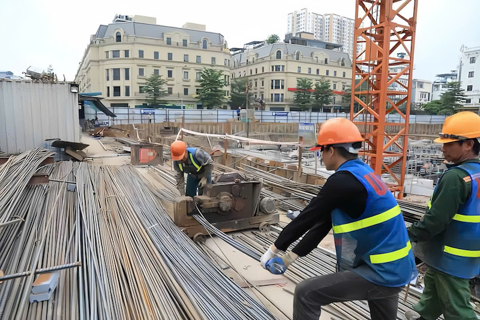
The hike is attributed to escalating costs of labor and construction materials, exceeding the affordability threshold for many low-income earners.
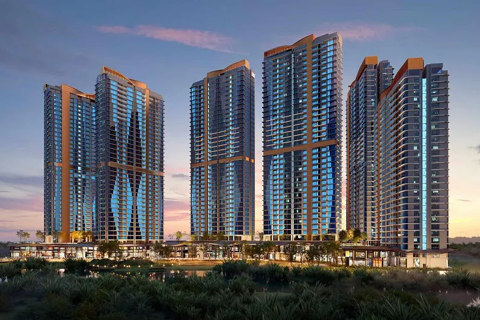
THE HANOI TIMES — The Thuong Thanh Social Housing Project, branded as Rice City Long Chau, located in Hanoi's Long Bien District, has officially announced an average selling price of VND26 million (approximately US$999) per sq.m.
According to local real estate experts, this marks the highest price ever recorded for a social housing project in Hanoi, raising concerns about affordability in a segment designed to support low- and middle-income residents.
N01 Ha Dinh in Thanh Tri District was previously the site of the most expensive social housing project, with a top price of VND25 million ($960.8) per sq.m. Meanwhile, NHS Trung Van project, launched in March 2023 at the price of VND19.5 million ($749) per sq.m – the highest in the market at the time.
The rates are much higher than those a few years ago, which were mostly priced below VND15 million ($576) per sq.m.
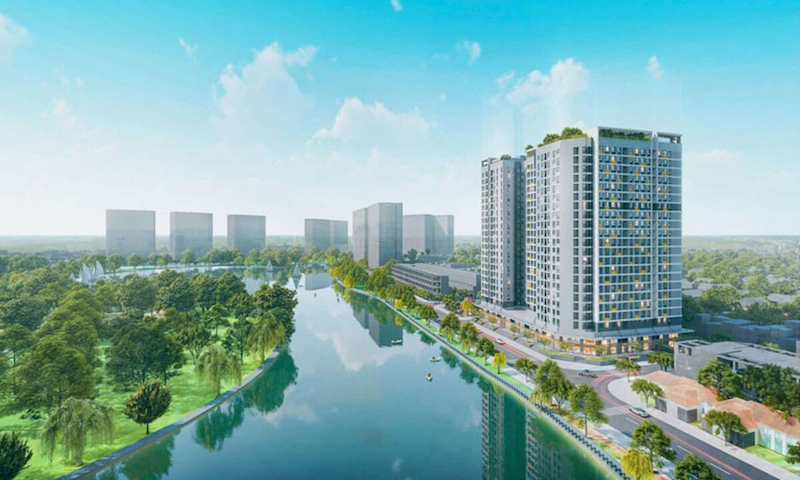
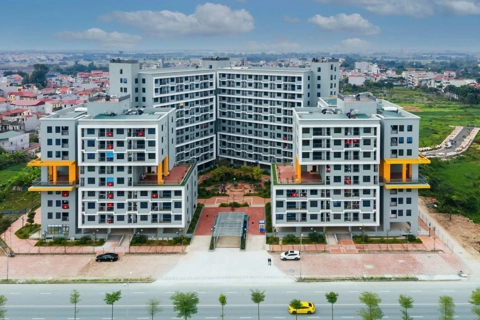
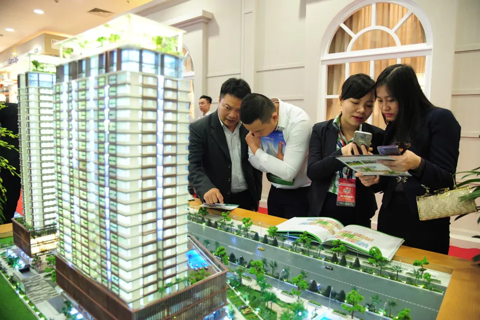
Rendered image of the Rice City Long Chau Project.
Le Anh Vu, Deputy Head of Sales at BIC Vietnam Joint Stock Company, explained the high prices to construction cost. Rice City Long Chau stands out as the only social housing development with three basement levels.
It is also equipped with amenities comparable to those of commercial housing projects, including a rooftop swimming pool, a gym, yoga rooms, a daycare center, convenience stores, and a commercial shophouse complex on the ground level.
Chu Van Hai, Head of the Social Housing Development and Management Division under the Ministry of Construction, echoed these observations. He noted that social housing units in Hanoi used to cost less than VND20 million ($768) per sq.m but rising labor and construction material costs have driven prices up.
According to Hai, pricing varies between projects depending on design requirements and investor scale. Although social housing is supported by government policy to lower development costs, it must still meet the same quality and building standards as commercial apartments. The only differences are in floor area and design.
Nguyen Anh Que, a member of the Vietnam Real Estate Association, told Tien Phong Newspaper that regulatory changes under Decree 100/2024 affect how developers profit and land taxes are calculated for the 20% of a social housing project’s land allocated for commercial purposes.
Que cited the NHS Trung Van project as an example. Under Decree 100/2015, the government-approved price was VND19.5 million ($749) per sq.m but it would be priced closer to VND27 million ($1,037)/sq.m under Decree 100/2024 for similar social housing units.
Incentives to lower social housing prices
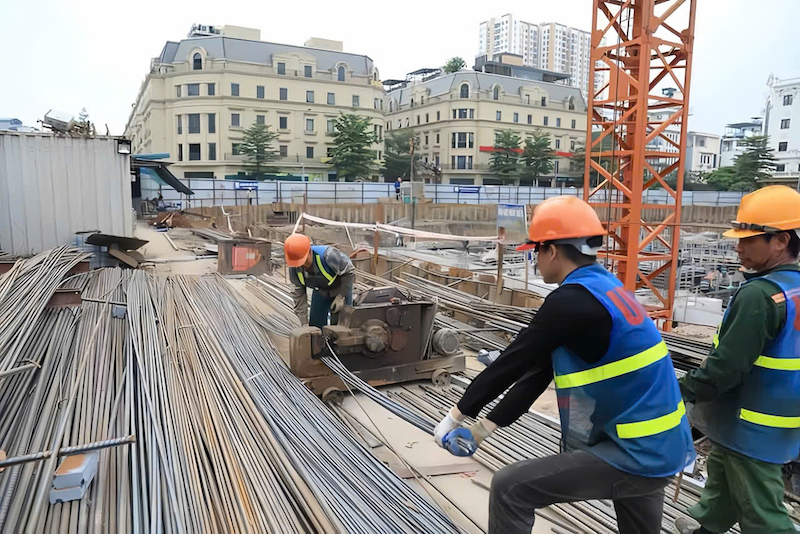
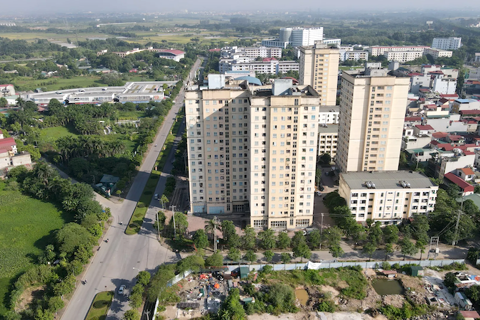
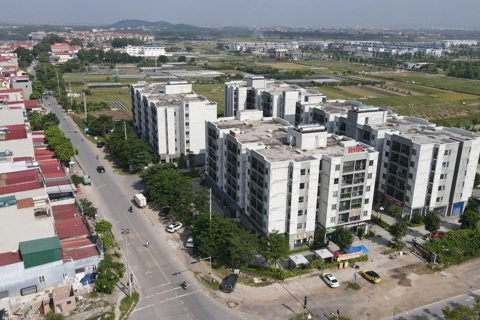
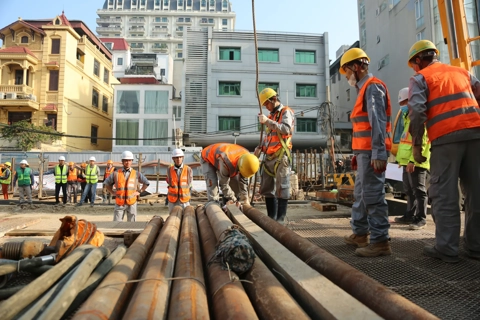
Rising labor and construction material costs push prices of social housing units up. Photo: UDIC Land
Nguyen Anh Que called for raising the stipulated profit margin for social housing developers from 10% to 13%, including profit from commercial housing developments within social housing projects. He also proposed that the government consider removing the 5% value-added tax on social housing (Clause 16, Article 10 of Circular 219/2013/TT-BTC).
“These proposals could lower the selling price of apartments at the Rice City Long Chau project below VND21 million ($807) per sq. m.,” he said.
He added that Decree 100/2024 currently sets income eligibility criteria for social housing buyers at less than VND30 million ($1,152) per month for households and less than VND15 million ($576) for individuals. While these thresholds may be suitable for tier 1–4 urban areas, they are not appropriate for major metropolitan areas such as Hanoi and Ho Chi Minh City, where the cost of living and housing expenses are significantly higher.
Que suggested raising the income cap to under VND50 million ($1,921) per month for households and under VND25 million ($961) for individuals in centrally-governed cities to better reflect urban economic realities.
Regarding to Hanoi, the Ministry of Construction reported that the city is on track to complete six social housing projects in 2025, delivering a total of 4,730 units to the market, a little bit higher than the target set by the prime minister.
The city has also set an ambitious goal of completing 100,000 social housing units by 2030, which demonstrates its long-term commitment to improving living conditions for low-income earners and meeting the rising demand for urban housing.