Thang Long Imperial Citadel exhibition reveals Vietnam’s millennium-old royal artifacts
Step into the heart of Hanoi’s history at Thang Long Imperial Citadel, where centuries-old royal artifacts, vibrant ceramics and intricate palace tiles bring Vietnam’s imperial past vividly to life for travelers and culture enthusiasts alike.
THE HANOI TIMES — Hidden beneath Hanoi’s bustling streets, centuries-old ceramic fragments and royal tiles unearthed at the Thang Long Imperial Citadel are offering visitors a vivid window into the ancient capital’s past.
These artifacts, once buried under layers of history, now anchor the exhibition “Treasures of Thang Long Imperial Palace,” revealing the craftsmanship and royal culture that shaped Dai Viet for more than a millennium.
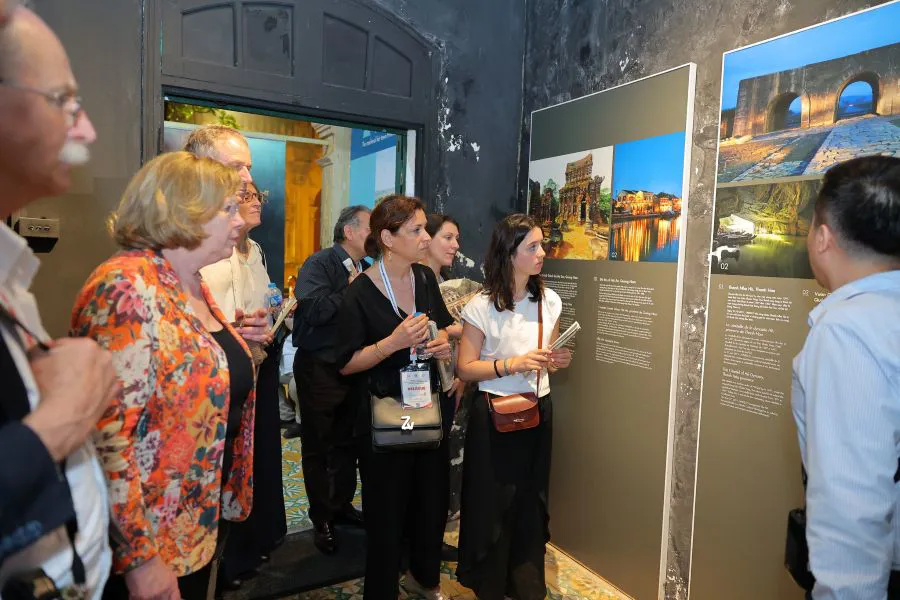
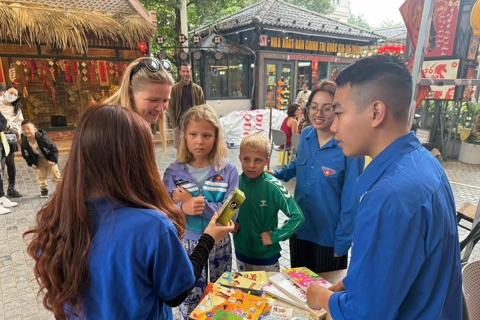
International visitors to Thang Long Imperial Citadel. Photo: The Hanoi Times
Rather than simply filling display shelves, the newly excavated pieces help narrate the story of a flourishing imperial center where artistry, technique, and symbolism intertwined.
A royal legacy in every detail
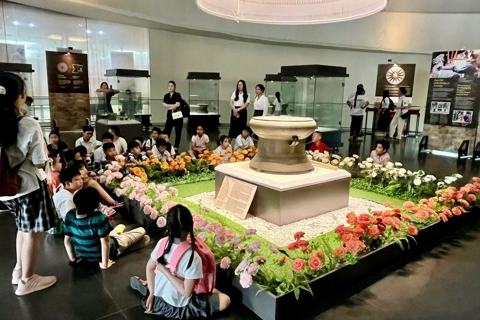
Stepping into the gallery on Hoang Dieu Street feels like entering a carefully preserved pocket of the royal past, where muted lighting and deep-toned décor highlight each artifact’s presence.
Large ceramic jars, floral-patterned brown-glazed plates, and dragon-shaped roof tiles greet visitors with striking reminders of the kingdom’s power and aesthetics. Each item reflects both the skill of Ly and Tran–era artisans and the cultural values upheld by the imperial court.

The “Treasures of Thang Long Imperial Palace” gallery offers a fascinating glimpse into Vietnamese history. Photo: Minh Duc/ The Hanoi Times
One standout artifact is a green-glazed pot lid embossed with a dragon, the emblem of the Ly (1009–1225) and Tran (1225–1400) dynasties. Its smooth glaze, swirling cloud motifs and well-preserved condition make it a rare archaeological highlight, revealing the advanced firing techniques used for ceramics that once adorned royal gardens.
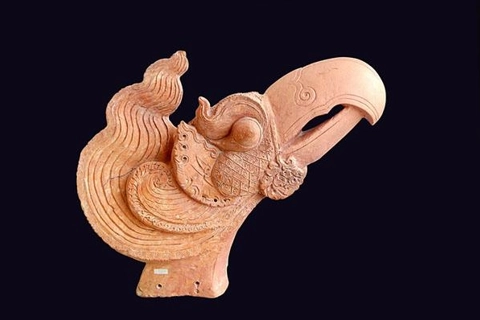
Nearby, a dragon-shaped blade-tip tile and a deep green tubular roof tile still gleam under the gallery lights. Despite spending centuries underground, their jade-like sheen suggests the grandeur of the palace architecture they once crowned. Other fragments carved with lotus petals and cloud motifs showcase the refinement of Ly-dynasty decorative art.
Another centerpiece is a white-glazed pot from the 11th-12th century. Its rounded form, perforated base and soft white glaze embody the elegance and technical mastery of royal ceramics, while the curtain-creeper motif symbolizes longevity and noble virtue. This pot likely served ceremonial or decorative functions in royal spaces.
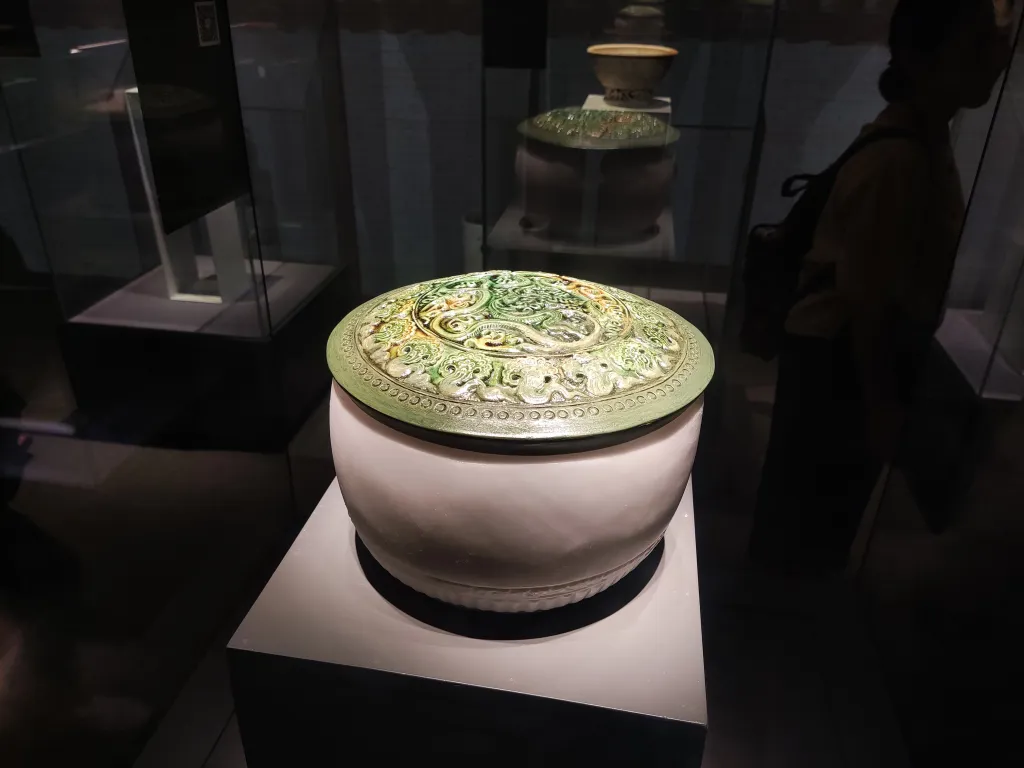
Together, the jars, tiles, and carved fragments illustrate the evolution of Vietnamese glazed ceramics from the 11th to 14th centuries and help visitors visualize the imperial palace that once dominated the site.
Excavated at 18 Hoang Dieu Street, the heart of the ancient political center, the artifacts were discovered alongside foundations and architectural remains from the Ly, Tran and Le dynasties. These overlapping layers form an unbroken historical timeline that reaffirms Thang Long’s central role in Vietnamese culture and governance.
From Ancient Relics to Modern Eyes
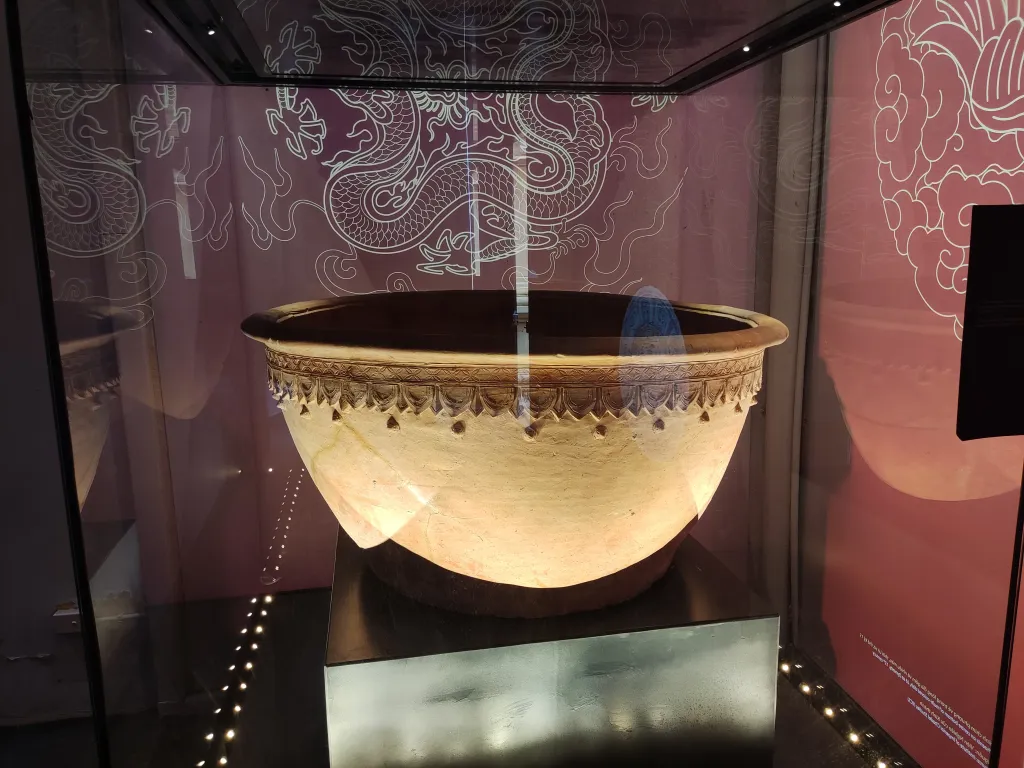
Today, the exhibition invites visitors to experience history rather than simply observe it. Artifacts are preserved in humidity-controlled cases, while gentle lighting highlights their textures without damaging the glazes.
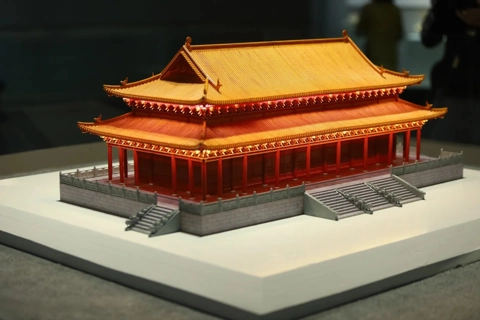
To help younger audiences connect with the past, the exhibition incorporates 3D models of Kinh Thien Palace, dragon-shaped tiles and imperial ceramics. This blend of ancient relics and digital storytelling creates an immersive experience that bridges centuries.
“I’ve read about the Thang Long Imperial Citadel, but seeing the jars and tiles firsthand made history feel alive,” said Nguyen Duc Huy, a Hanoi resident, after visiting the gallery.
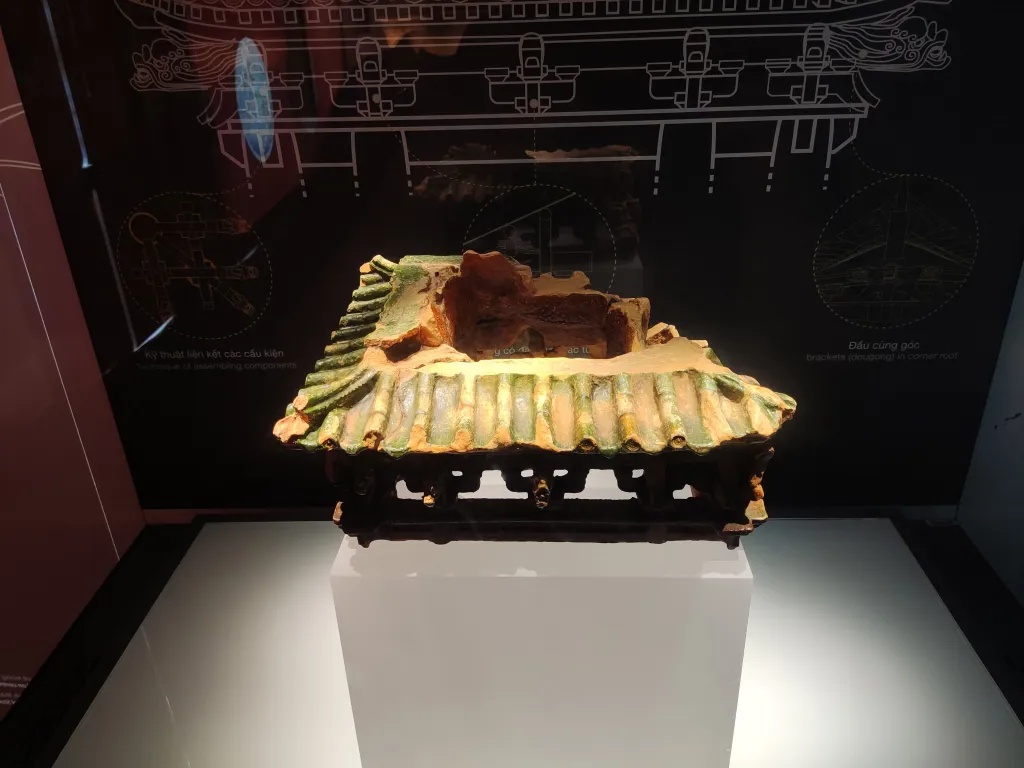
The exhibition also resonates with international travelers. Emily Carter, a museum curator from the United Kingdom, paused in front of a dragon-decorated tile before sharing her thoughts.
“I’ve visited historical sites across Asia, but this exhibition feels incredibly intimate. What struck me most is how these small fragments, like tiles, pot lids and other pieces, together tell a grand story of a civilization. It makes me realize how sophisticated Vietnamese art and culture were a millennium ago,” she said.
|
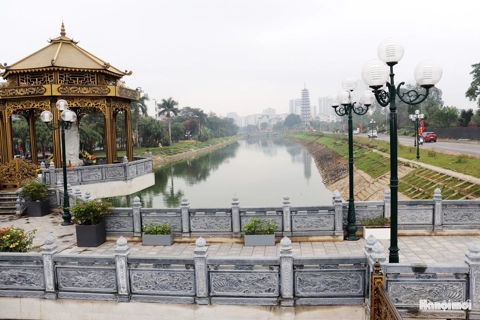
A UNESCO World Heritage Site, Thang Long Imperial Citadel stands at the historic heart of Hanoi and embodies Vietnam’s political and cultural legacy. Founded in the 11th century during the Ly Dynasty, it served as the royal capital for more than 700 years. The site encompasses ancient palaces, ceremonial platforms, defensive walls and a vast archaeological zone where countless artifacts have been unearthed, revealing a rare continuity of power and urban life. Today, visitors can explore its gates, halls and excavated remains, gaining a clearer sense of the grandeur of Dai Viet’s imperial courts and the enduring spirit of Hanoi’s thousand-year civilization. |