Two-tier local government model strengthens Hanoi’s efforts to end urban flooding
Associate Professor Nguyen Hong Tien analyzes why Hanoi still faces chronic flooding, explains weaknesses in drainage planning and implementation and outlines how the two-tier local government model can support long-term solutions.
THE HANOI TIMES — Hanoi’s two-tier local government model is helping the city tackle persistent urban flooding, a challenge that remains despite major drainage investments, as Associate Professor Nguyen Hong Tien, former Director of the Department of Technical Infrastructure under the Ministry of Construction, explained in an interview with Hanoimoi Newspaper.

A crossroads flooded in early October by tropical storms. Photos: Kinh te & Do thi Newspaper
Why have Hanoi’s huge anti-flooding investments still failed to prevent severe flooding?
Hanoi has spent significant resources on anti-flooding measures, yet the results remain below expectations. Heavy rain still causes widespread flooding. During the storms in September and October, hundreds of locations were underwater. While many cities drain quickly after rain, some areas in Hanoi remained flooded for five to seven days, disrupting residents’ daily activities.
Many causes have been identified, including rapid urbanization, planning issues, construction investment, system management and climate change. However, the core problem lies in the limited implementation of drainage planning.
Under the drainage master plan, Hanoi is divided into three major drainage zones with 18 basins. After more than 12 years, the city has invested in only a few projects in three of the 18 basins.
More concerning, the current drainage network is outdated and deteriorating quickly, particularly the sewer system, canals, ditches, pumping stations and retention lakes. Many facilities have not been upgraded properly or in time. When investment occurs, progress is often slow, hindered by land clearance challenges or fragmented execution.
If management thinking does not change and investment in drainage upgrades remains insufficient, flooding will continue and public resources will be wasted.
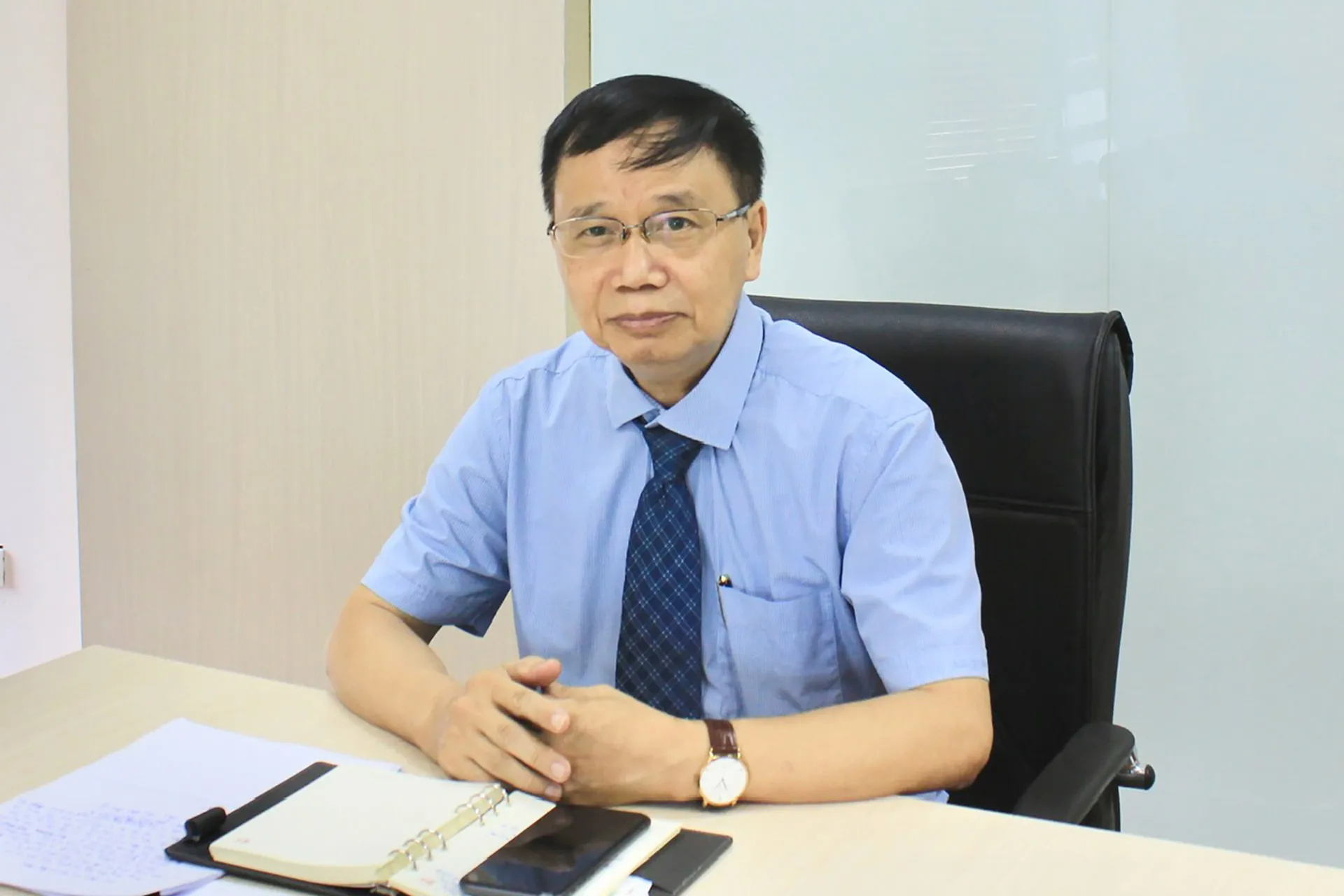
Associate Professor Nguyen Hong Tien, former Director of the Department of Technical Infrastructure under the Ministry of Construction.
Urban flooding is linked not only to technical issues but also to planning quality. What are the problems with Hanoi’s drainage strategy?
On May 10, 2013, the Prime Minister approved the Hanoi Drainage Plan to 2030 with a vision to 2050 under Decision No. 725/QD-TTg. This plan aimed to specify drainage systems under the 2011 Hanoi General Planning (Decision No. 1259/QD-TTg). Hanoi is currently implementing drainage according to Decision No. 725/QD-TTg.
On December 27, 2024, the Prime Minister approved the adjusted Hanoi General Planning to 2045 with a vision to 2065 (Decision No. 1668/QD-TTg), which includes updated drainage planning. This plan revises and supplements the drainage requirements of Decision No. 725/QD-TTg and incorporates climate change scenarios for centrally governed cities.
Hanoi now needs to urgently prepare a specialized drainage master plan for approval. During this process, the city must update input data because hydrological patterns have changed due to climate change, affecting rainfall–runoff behavior.
The city must consider the recurrence cycle of flooding, combined risks from rain and river flooding, and recalibrate ground elevation and rainfall thresholds that cause sewer overflow.
Once the plan is approved, it is crucial to build a clear implementation roadmap and execute projects in a synchronized, focused and decisive manner. Only through strict planning and consistent execution can Hanoi gradually reduce urban flooding.
The Hanoi Party Committee aims to “basically resolve flooding in the inner city” during the 2025–2030 term. How will the two-tier local government model support this goal?
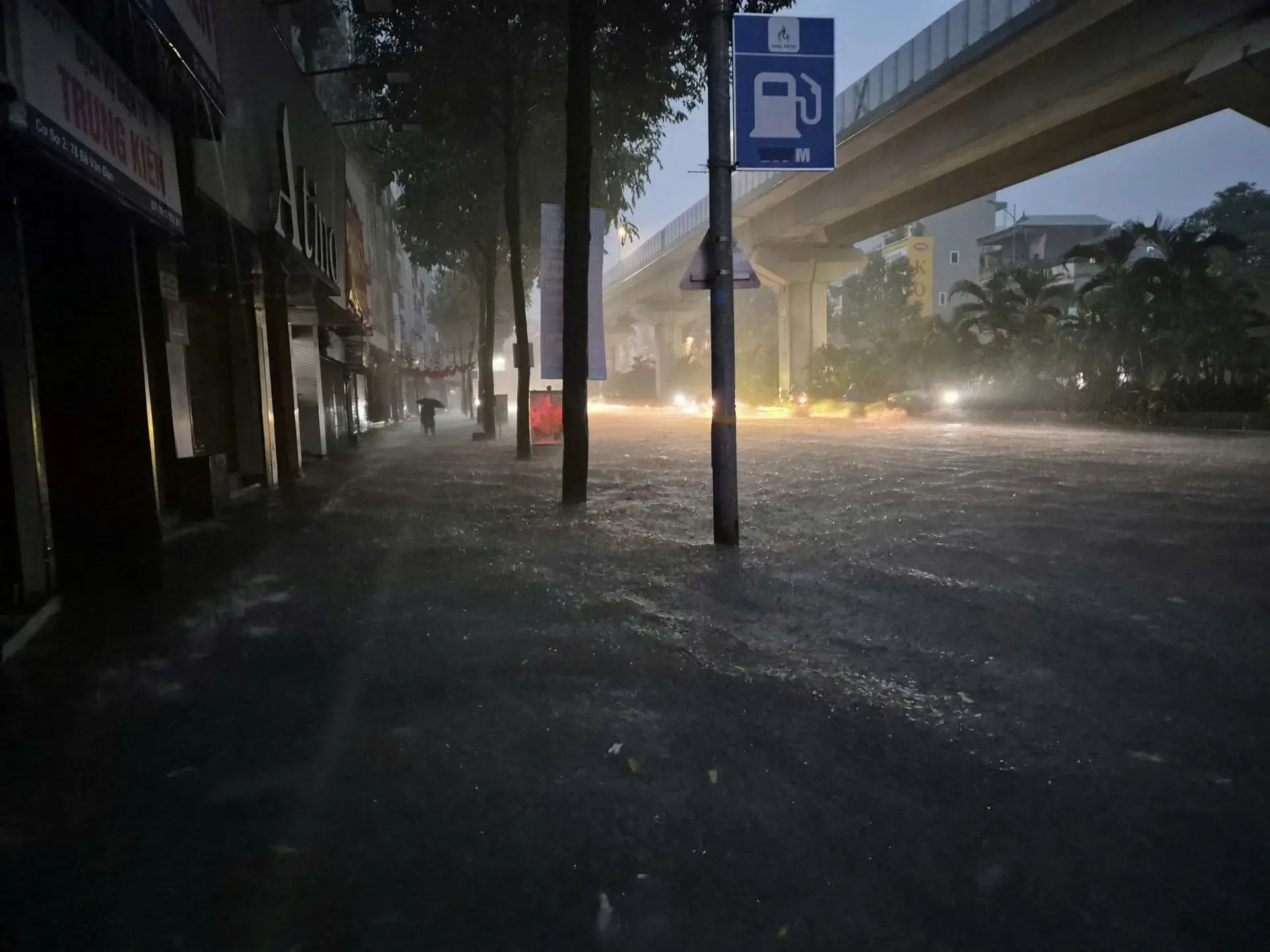
Heavy rains flooded Nguyen Trai Road in the early morning of October 7.
The two-tier government model creates opportunities for broader development space by removing intermediate levels and improving direct coordination between the city government and ward and commune authorities.
For large-scale technical infrastructure such as drainage, the city government must strengthen decentralization and delegate authority to specialized agencies like the Department of Construction, the Infrastructure Management Center and project management units.
These agencies, as the owners of drainage systems, should have the authority to decide investment projects, manage system operations and ensure adequate funding for maintenance, dredging of rivers and lakes, and system upkeep.
Ward and commune authorities must also play an active role by engaging communities in keeping drainage paths clear, preventing illegal dumping, and removing construction waste that blocks water flow.
The Law on Water Supply and Drainage provides general principles on water management but does not directly resolve urban flooding. Solving flooding requires the participation of the entire political system, with ward and commune governments, especially those in Hanoi, holding a critical role.
Political determination must be shown through investment priorities and decisive implementation of solutions in a coordinated and thorough manner. With this commitment and ongoing measures, Hanoi can expect gradual improvements in its flooding situation.
Thank you for your time!