Urban railway leads effort to ease Hanoi’s traffic congestion: Expert
Recent experience shows that urban rail forms the backbone of the public transport system.
THE HANOI TIMES — Transport expert Vu Hoang Chung shared insights with The Hanoi Times on how urban rail can help reduce traffic congestion and curb reliance on private transport.
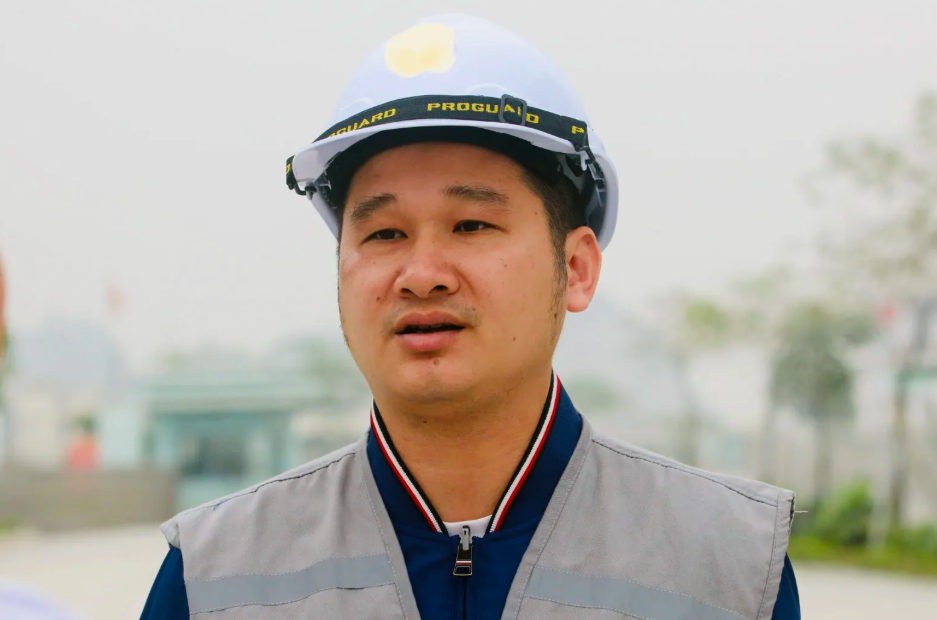
Transport expert Vu Hoang Chung.
Traffic congestion has affected Hanoi for decades and continues to slow its progress toward sustainable development. What do you believe is the key factor behind its persistence?
The simple explanation is that the travel demand of Hanoi residents is too high while the public transport system has not met expectations.
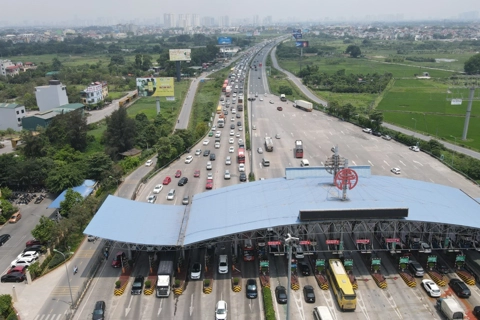
As a result, Hanoians overwhelmingly turn to private vehicles. When many vehicles and people move through limited space at the same time, the network becomes overloaded, leading to congestion and pollution.
These impacts cost the city billions of dollars each year and slow socio-economic growth.
For many years, Hanoi has continued to invest in new infrastructure, but construction has lagged behind the explosive rise in vehicles and population.
Expanding roads cannot solve congestion. The city must shift towards managing travel demand by reducing private vehicle use and unnecessary trips to ease pressure on the network.
Instead of expensive and time-consuming measures such as new roads or flyovers, the focus should shift to a more affordable, efficient and sustainable approach, which is travel demand management.
What are the main measures used to manage travel demand?
Managing travel demand and balancing supply and demand requires a combination of tools, including expanding public transport, especially urban rail, using economic measures to reduce private vehicle use and applying real-time traffic management with smart technologies.
In the current context, integrating green-transition goals into transport planning has become essential, as air pollution worsens and emissions from motor vehicles must be controlled.
Among these measures, urban rail stands at the center.
Urban rail has its own dedicated space, runs underground or on elevated tracks, avoids intersections and is not affected by congestion. It also offers a large capacity and high speed. These advantages make it the most important tool for addressing today’s congestion.
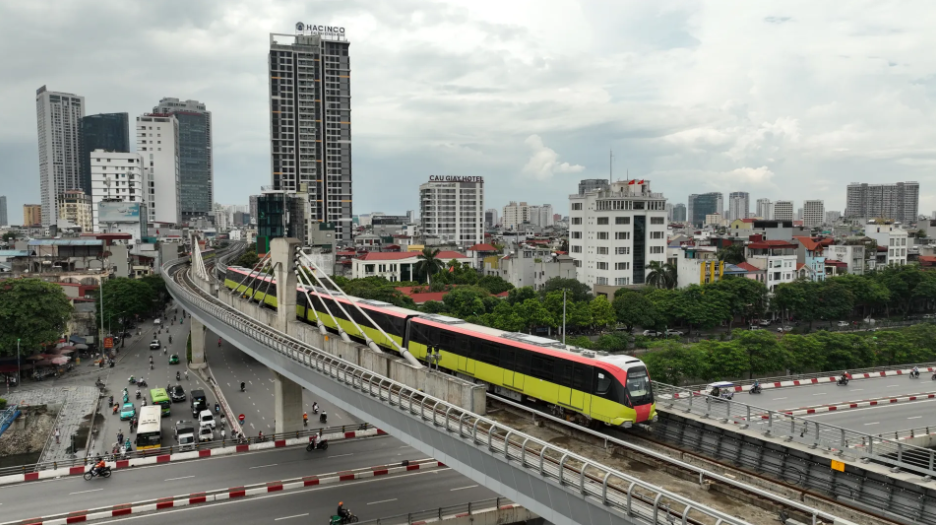
Nhon - Hanoi Station metro line. Photo: Pham Hung/The Hanoi Times
Could you elaborate on the role of urban rail in travel demand management and congestion reduction?
Urban rail is one of the most important tools and plays a central role in travel demand management. Recent experience shows that urban rail forms the backbone of the public transport network.
Even with only two lines in service, Hanoi has increased its public transport share and attracted many commuters who now use transit instead of private vehicles.
As more lines open and the network becomes fully connected, public transport could realistically serve more than half of all daily trips.
Urban rail also supports transit-oriented development, which reshapes urban space and reduces travel demand. When stations become local service hubs within a few hundred meters, people can shop, commute, and go to school using non-motorized travel—further strengthening demand management.
Many households in Hanoi own both cars and motorbikes and choose different vehicles for different needs.
If public transport and urban rail can meet most of these needs, people will naturally reduce the use of private vehicles, without the need for strict restrictions.
For example, if someone can buy groceries near a station on the way home, they no longer need to return home just to take a motorbike. Urban rail also offers fast, comfortable travel that is easier to pair with walking or cycling than other modes.
The ways urban rail can support travel demand management and urban planning are almost limitless. That is why major cities make it the core of their transport systems and benefit more as networks expand.
In your view, has Hanoi given adequate attention to travel demand management?
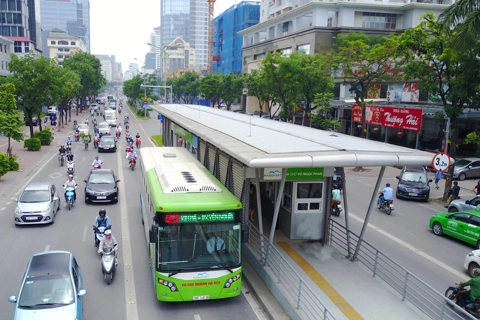
Hanoi has implemented several measures such as expanding public transport, organizing one-way streets, imposing road closures, separating traffic flows, adjusting working hours, charging for parking and restricting certain vehicles in central areas during peak hours.
However, travel habits remain largely unchanged, and these measures have not produced a major shift in behavior.
The positive news is that Hanoi has recently introduced a comprehensive plan to reduce congestion for the period 2025 to 2030 and beyond.
The plan places travel demand management at the center and dedicates more than 70% of its budget to developing urban rail, a critical step toward a modern transport system capable of reducing both congestion and pollution.
What impact does travel demand management have on the environment?
Effective travel demand management reduces private motorized trips and significantly lowers emissions. Hanoi has emphasized that demand management must align with the green transition, with urban rail, electric buses, electric taxis, shared bicycles, and e-bikes replacing private vehicles.
A high-capacity public transport system encourages people to adopt these modes, while the city promotes more walking and cycling, reducing motorized traffic overall.
Green transport development also enables stronger measures such as congestion charges and area-based restrictions, gradually removing polluting vehicles from the network.
Integrating travel demand management with green-transition goals offers a comprehensive solution for both mobility and environmental challenges.
Thank you for your time!