Vietnam advances desertification control through long-term land management
Vietnam pays attention to combating desertification, which is identified as a core task for biodiversity conservation and the sustainable management of forests, water and land resources.
THE HANOI TIMES — Vietnam has approved a national action plan to combat desertification through 2030, with a vision to 2050, reinforcing land management as a core pillar of national development, according to a decision signed by the Minister of Agriculture and Environment.
The move affirms Vietnam’s responsibility and concrete contributions to the United Nations Convention to Combat Desertification and other international commitments the country has undertaken.
It aims to integrate desertification control with national strategies and the UN Sustainable Development Goals (SDGs), while supporting poverty reduction and improving incomes and quality of life in vulnerable areas.
By linking land degradation prevention with sustainable resource use, the plan positions desertification control as a long-term pillar of Vietnam’s environmental and socio-economic development.
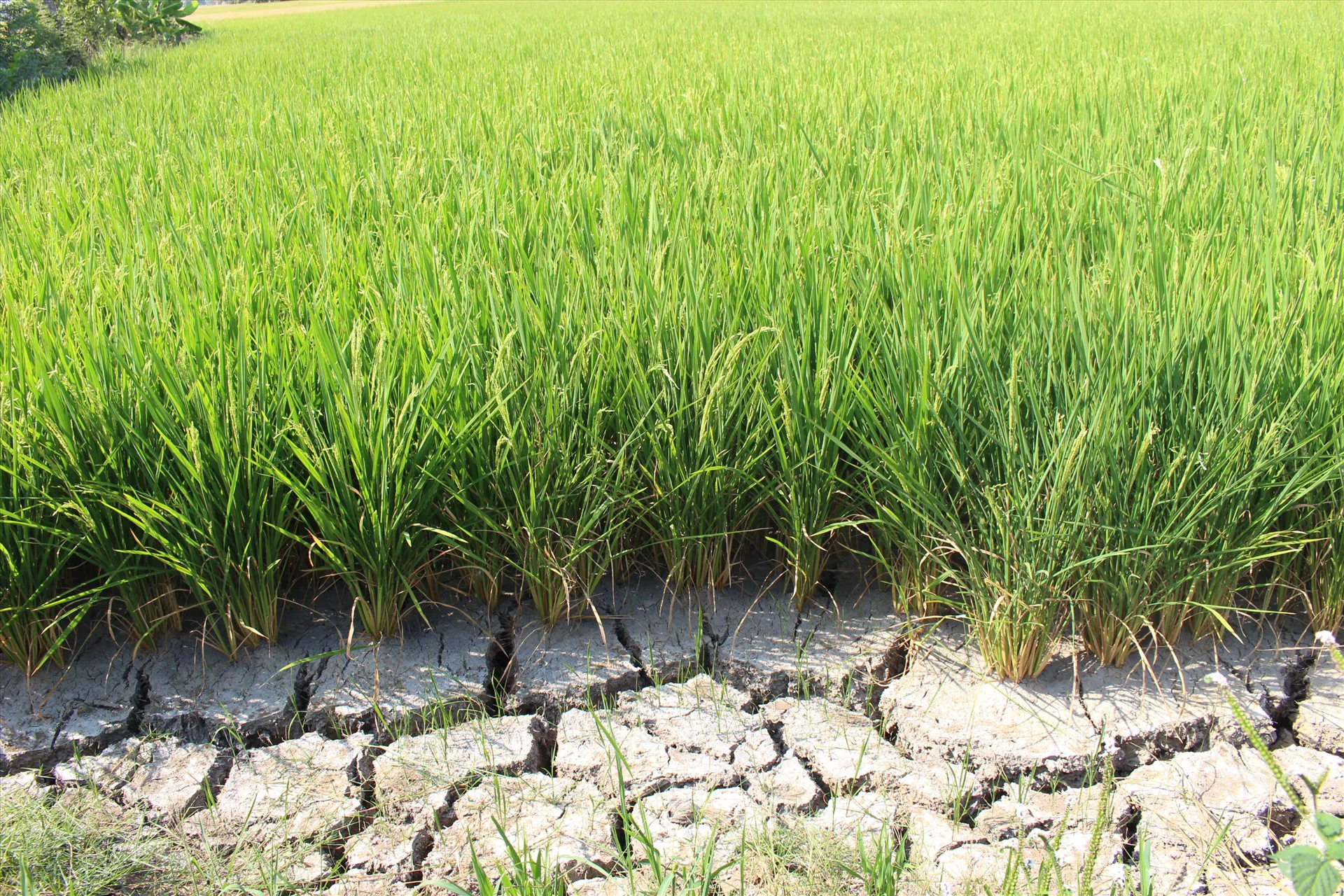
Rice fields in Tan Tru Ward in the southern province of Tay Ninh, are at risk of crop failure due to drought. Photo: Lao Dong Newspaper
By 2030, Vietnam aims to complete nationwide mapping of desertification-prone areas by socio-economic region and strengthen meteorological and hydrological monitoring systems for forecasting and early warning.
The plan also calls for adaptive land and water management to mitigate drought and degradation, while maintaining 3.5 million hectares of rice land, keeping forest cover at 42-43%, improving forest quality and conserving wetlands.
Looking to 2050, degraded land is targeted to account for no more than 40% of Vietnam’s natural area, with average incomes in affected regions reaching at least 50% of the national average.
Region-specific measures will restore eroded land in northern midland and mountainous areas through reforestation, agroforestry and sustainable farming on slopes.
The north-central region will rehabilitate arid land, protect key forest types, expand drought-resistant crops and upgrade irrigation systems.
The south-central coast and Central Highlands will prioritize natural forest protection, water-saving solutions, high-tech agriculture and crop restructuring to address drought and saltwater intrusion.
In the Red River and Mekong deltas, efforts will focus on controlling salinity and acidification, expanding irrigation and coastal forests, upgrading reservoirs and dykes, strengthening interprovincial coordination and promoting high-quality rice production.
The action plan is built on four pillars, including science, technology and data; smart farming and land restoration; capacity building and communication; and policy development with international cooperation.