Vietnam helps shape agenda at UN Human Rights Council 2026-28 term
Vietnam’s re-election to the United Nations Human Rights Council with the highest number of votes in the Asia-Pacific Group reflects international recognition of its constructive and responsible engagement and a long-term commitment to dialogue and cooperation for the benefit of people.
THE HANOI TIMES — Vietnam begins its 2026–2028 term at the United Nations Human Rights Council with a clear guiding principle focused on respect and understanding, dialogue and cooperation, and the guarantee of all human rights for all people.
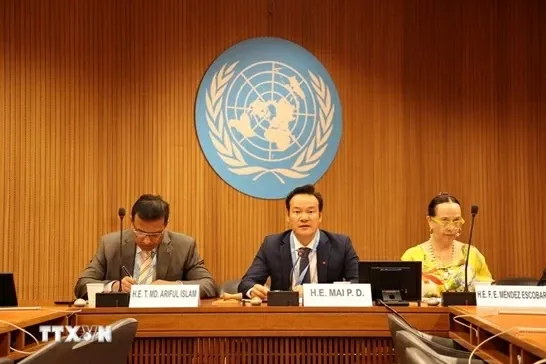
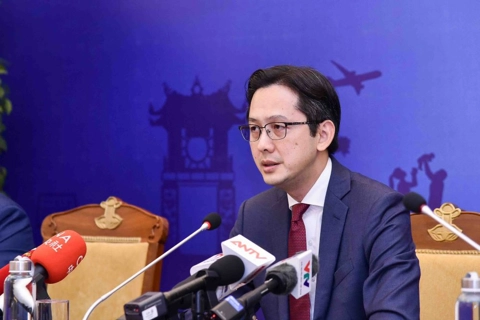
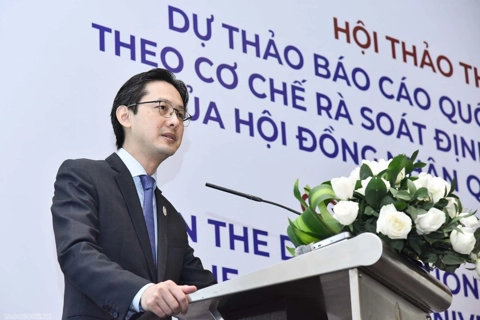
Ambassador Mai Phan Dung, Permanent Representative of Vietnam to the UN, WTO and other international organizations in Geneva. Photo: VNA
Ambassador Mai Phan Dung, Permanent Representative of Vietnam to the UN, WTO and other international organizations in Geneva, said this approach is more than a slogan and has formed the foundation of Vietnam’s engagement at the council, guiding its contributions in the coming term.
He said the country’s re-election to the council with the highest number of votes in the Asia Pacific Group reflects international recognition of its constructive, substantive and responsible approach.
He emphasized that membership is not an honorary title but a long-term commitment to shared priorities, narrowing differences and advancing cooperation for the benefit of people.
Building trust through consensus
During the 2023-2025 term, Vietnam approached its council work with a solution-oriented mindset focused on improving people’s lives. It established clear priorities, strengthened cross-regional cooperation and promoted consensus-based outcomes, which are essential for building trust in a divided global environment.
Vietnam led cross-regional core groups in submitting two key resolutions, including one marking the 75th anniversary of the Universal Declaration of Human Rights and the 30th anniversary of the Vienna Declaration and Program of Action, in addition to addressing climate change and human rights, with an emphasis on a just transition.
Both resolutions were adopted by consensus with broad co-sponsorship.
Vietnam also led joint statements on advancing gender equality and vaccination, actively participating in international forums to share experiences and strengthen its credibility in human rights cooperation.
The previous term yielded three guiding principles, including respect and understanding, which starts with listening and goodwill even amid differing views; dialogue and cooperation, prioritizing early consultation, inclusive solutions and technical collaboration rather than pressure.
Last but not least is ensuring all human rights for all people through a comprehensive approach that treats civil and political rights, economic, social and cultural rights, and the right to development as mutually reinforcing.
Vietnam continues to engage constructively with UN mechanisms, including the Universal Periodic Review, international treaties and Special Procedures.
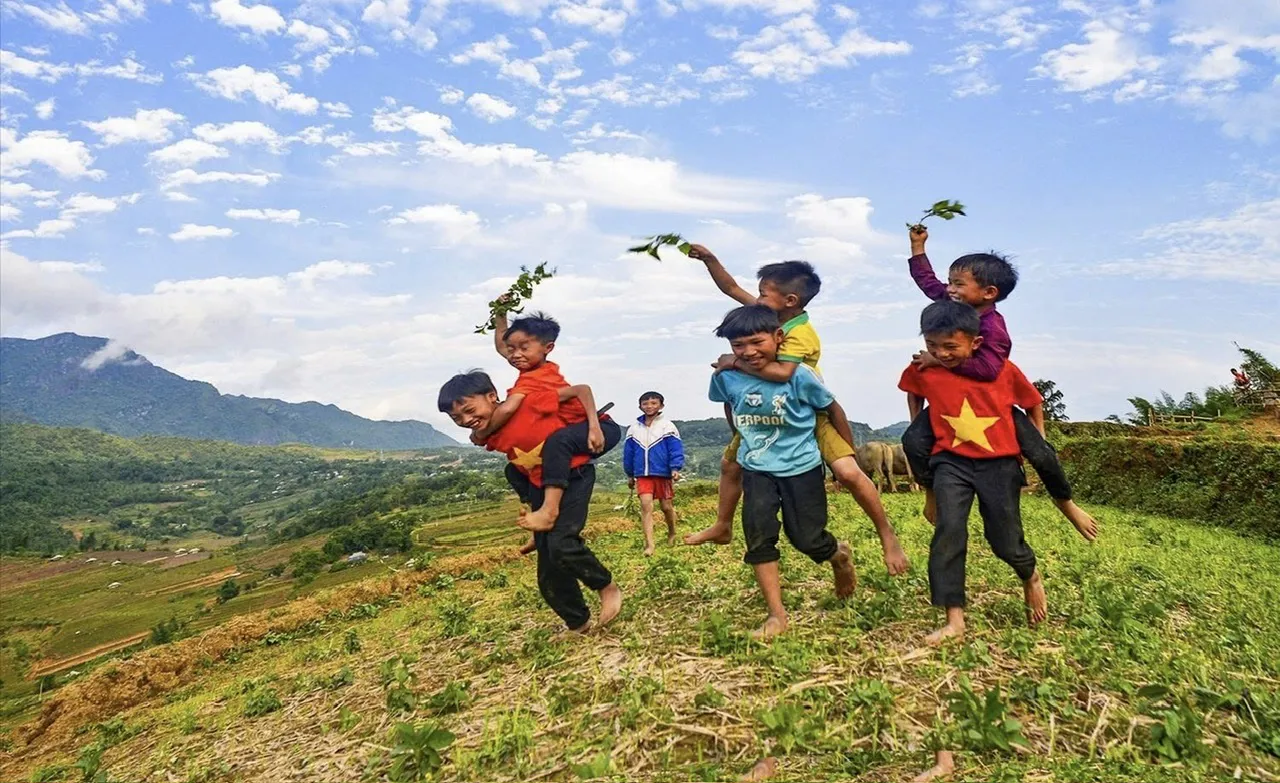
Vietnam is praised for its efforts in ensuring human rights at home and its contributions abroad. Photo: Dantocphattrien
Priorities for 2026-2028 term
For the new term, Vietnam will focus on eight priority areas, namely enhancing the Council’s effectiveness; promoting international law; addressing human rights in the context of climate change and digital transformation; preventing violence and discrimination; protecting vulnerable groups; advancing gender equality; and ensuring the right to health care, labor rights, quality education and human rights education.
“Vietnam aims to make the council more practical and results-oriented, prioritizing dialogue and technical cooperation based on countries’ needs,” stated Ambassador Mai Phan Dung.
In climate change and digital transformation, Vietnam advocates a balanced approach that safeguards human rights and leaves no one behind, especially vulnerable communities.
Vietnam’s readiness for the 2026-2028 term builds on previous experience and strengthened coordination mechanisms to ensure timely, consistent and focused engagement in Geneva.
The country remains committed to multilateral diplomacy and being a reliable partner amid global challenges such as climate change, public health, inequality and digital transformation.
Vietnam views human rights as universal but stresses practical implementation linked to daily life, prioritizing health care, education and sustainable employment. It is a party to seven of nine core UN human rights conventions and 25 ILO conventions, engaging constructively with UN mechanisms.
Ambassador Mai Phan Dung highlighted that dialogue and cooperation are the most effective way to protect human rights. Vietnam seeks a world with fewer conflicts, greater trust and solidarity, especially for women, children, persons with disabilities and climate-affected communities.
Guided by these principles, Vietnam will continue addressing global challenges through consensus-based resolutions. Re-election to the Human Rights Council is both an honor and a responsibility, and Vietnam remains committed to respect, understanding, dialogue and cooperation and ensuring all human rights for all people.
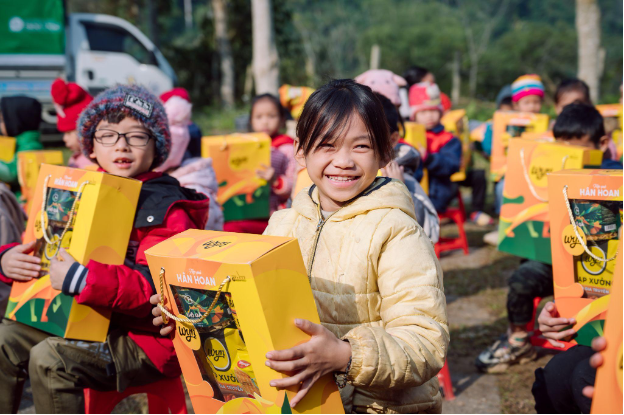
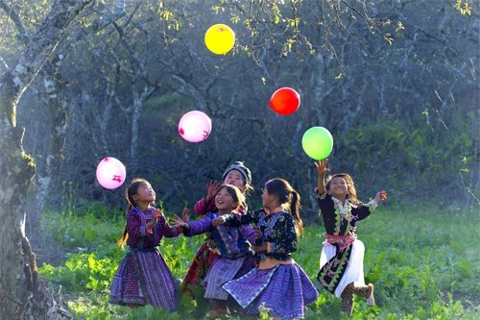
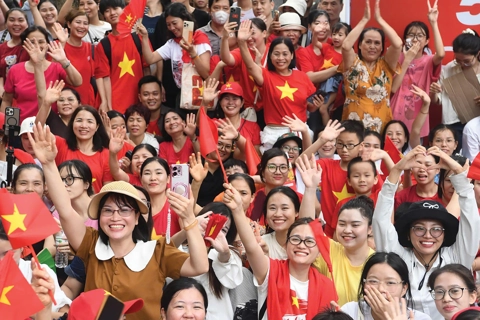
Joy on faces of children in the northern province of Tuyen Quang. Photo: Toquoc.vn
In a sharing with The Hanoi Times, the UN Coordinator Pauline Tamesis said the very high level of support for Vietnam’s re-election to the United Nations Human Rights Council for the 2026-2028 term is an important recognition by the international community.
It reflects confidence in Vietnam’s multilateral engagement, its constructive contributions to the Council’s work and its readiness to engage in dialogue on complex human rights issues.
“I believe there are many important factors that have contributed to this outcome. First, Vietnam’s active and responsible role during its previous term on the Council is a strong demonstration of its commitment. Vietnam’s emphasis on cooperation and dialogue is noteworthy.”
More importantly, Vietnam has set out clear priorities that align closely with global concerns, including sustainable development, climate change, digital transformation and gender equality.
It has also maintained active engagement with United Nations human rights mechanisms, notably the Universal Periodic Review, and reaffirmed its commitment to translating international obligations into national action to advance equality, non-discrimination and inclusive participation.
Tamesis stressed that the Council membership is not only an honor but a responsibility, requiring continued efforts to strengthen human rights protections at home so that all people, without discrimination, can participate meaningfully in public life and benefit fairly from development, while contributing constructively to collective global efforts.