Vietnam and India: Towards achieving full potential together
The 14th National Party Congress, a landmark in Vietnam’s development, is expected to consider ways for the two nations to draw closer and forge a stronger, mutually beneficial partnership that contributes to a better world.
THE HANOI TIMES — India’s relations with Vietnam are rooted in antiquity. They have been strengthened by successive generations of leaders and strong mutual trust and goodwill. Mahatma Gandhi and Ho Chi Minh are equally respected in both countries as leaders who selflessly fought for the independence of their people.
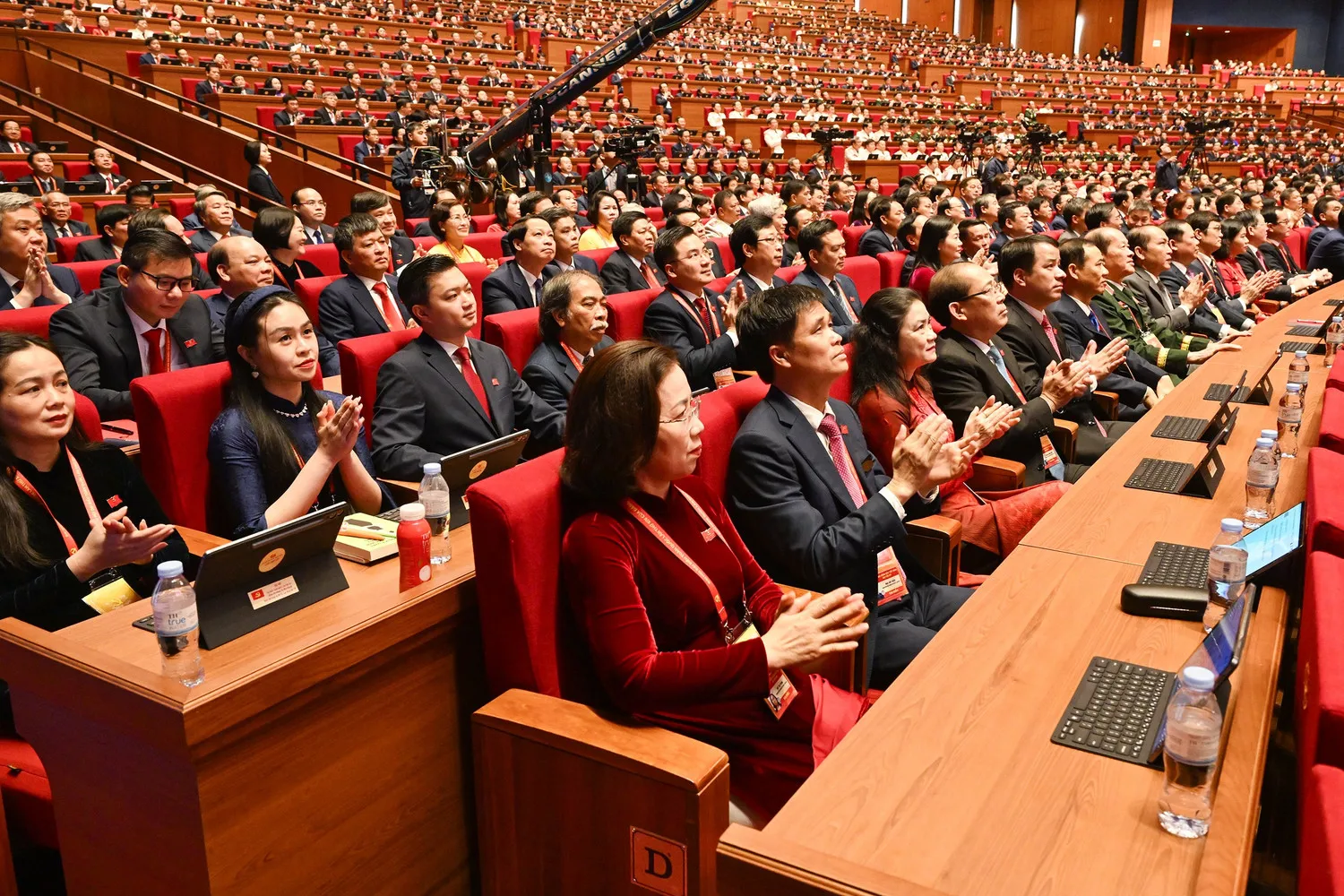
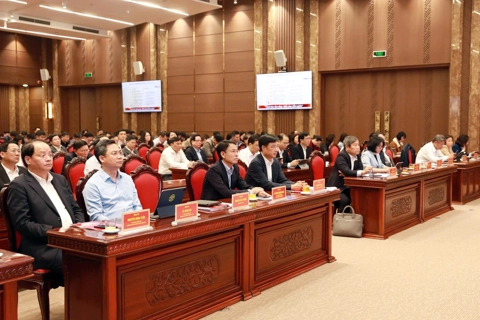
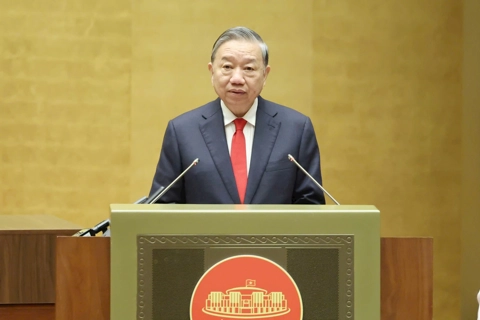
Delegates at the Communist Party of Vietnam's 14th National Congress taking place in Hanoi. Photo: The National Party Congress
Today, our relations cover the areas of trade and economic cooperation, capacity building and assistance, cultural exchanges, energy, defence and security.
Vietnam is among the most dynamic economies in Asia and India wishes to build a strategic partnership with Vietnam that responds to the aspirations of both our peoples. The holding of the 14th National Party Congress in Hanoi is an opportune time to assess the relationship between our two countries and the future course.
India and Vietnam have active trade and economic relations. They engage in many critical sectors through the Joint Trade Sub-Commission and the Joint Working Groups on agriculture, health and information technology.
In the period from April 2024 to March 2025, India-Vietnam trade stood at US$15.76 billion, with India’s exports to Vietnam amounting to $5.43 billion and Vietnam’s exports to India valued at $10.33 billion.
As per Vietnam’s data, the bilateral trade for the year 2024 stood at $14.89 billion, out of which India’s exports to Vietnam were valued at $5.83 billion and India’s imports were $9.06 billion.
India’s investments in Vietnam are estimated at around $2 billion, including investments routed through third countries. According to Vietnam’s Foreign Investment Agency, India has 432 projects with a total invested capital of over $1.1 billion in Vietnam.
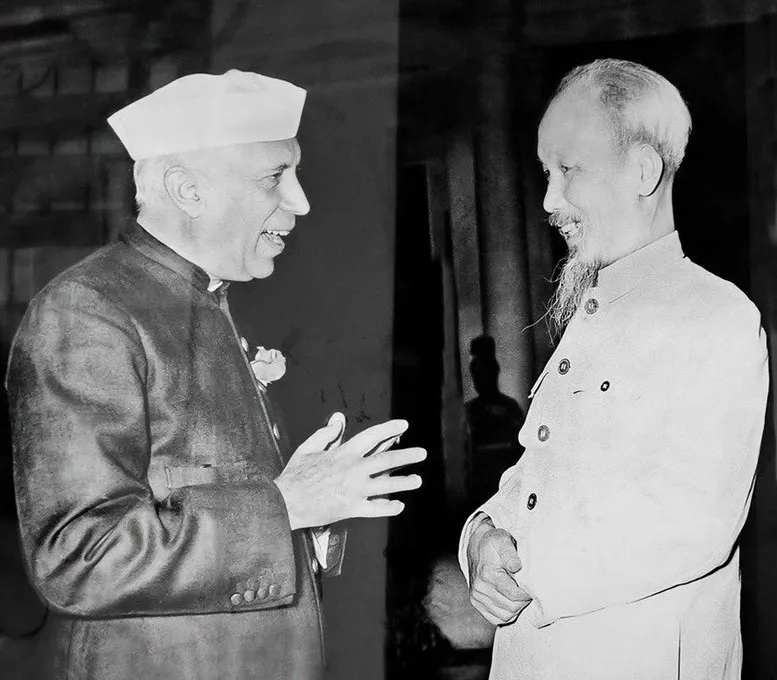
Vietnam's President Ho Chi Minh (r) and India's Prime Minister Jawaharlal Nehru, the leaders set foundation for the Vietnam-India relations. Photo: VNA
Given their exceptional economic growth during the last two decades, both countries need to achieve more in the sphere of bilateral trade and commerce.
First, Vietnam remains number one in economic advancement in the Asia Manufacturing Index in 2026, the third largest manufacturing country in Asia, following China and Malaysia. For its size, it’s a monumental achievement.
Secondly, its per capita income has increased 46.3 times since 1990, compared to India’s per capita income increase of 6.8 times since economic reforms were ushered in.
Thirdly, Indian tourist flow to Vietnam has quadrupled since the Covid-19 pandemic. Each year, more than half a million Indian tourists visit Vietnam after it introduced thoughtful changes in visa policies and improved air connectivity.
These few economic pointers are enough to conclude that India and Vietnam are not achieving their full potential in bilateral relations. In 2011, India pegged its trade target with Vietnam at $15 billion for the year 2015, which was achieved only in 2024.
Though incrementally higher in the last two decades, this pales in comparison with Vietnam’s trade with China, which stands at $252 billion today. As the second-largest consumer market globally, India could have participated more in Vietnam’s stellar manufacturing achievements.
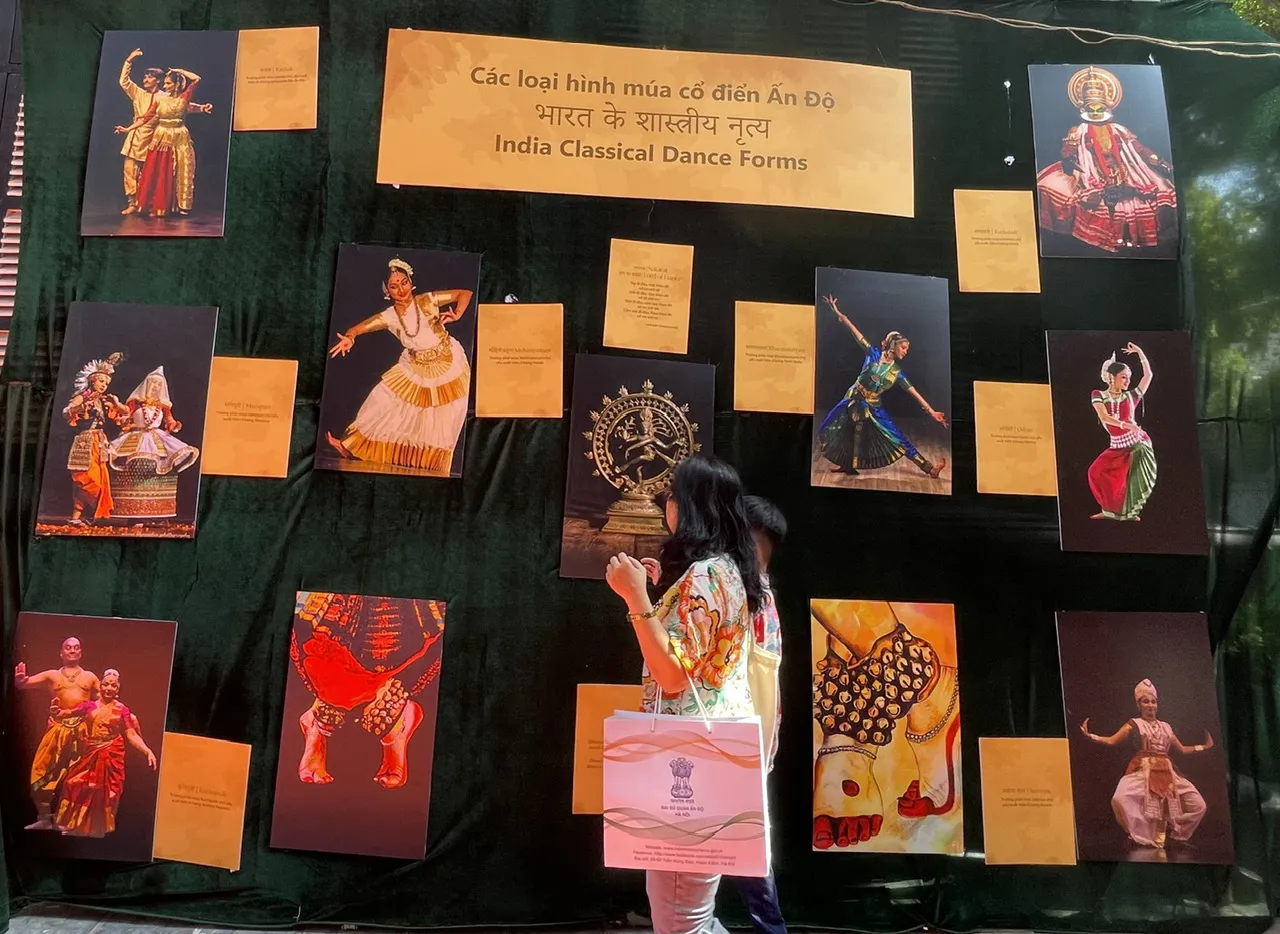
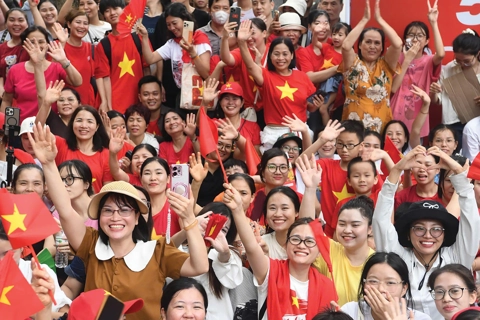
Indian culture has been promoted in Vietnam, drawing public attention. Photo: Linh Pham/The Hanoi Times
Under its ‘Act East Policy’, India needs to invest more in Vietnam and encourage private corporate engagement on a larger scale. “Much has been achieved, but much more needs to be done”, as the late Prime Minister, Dr Manmohan Singh, said during a state visit of Vietnam’s former President to India.
As the world order changes and the focus shifts from the West to the East, both countries can jointly charter a new path to the prosperity and welfare of their peoples. The 14th National Party Congress, a landmark in Vietnam’s progress, should deliberate on how the two nations can come closer and forge a stronger bond in a mutually beneficial way to make the world a better place.
About the author: Pankaj Pachauri, Senior Journalist and former Communications Adviser to the Indian Prime Minister’s Office.