Vietnam braces for harshest winter in years as La Nina strengthens
Vietnam’s 2025–2026 winter is expected to be colder and wetter due to La Nina, bringing strong cold spells, frost and heavy rains that could affect agriculture and daily life in northern and central regions.
THE HANOI TIMES — Vietnam will face its harshest winter in many years as the La Nina phenomenon strengthens and cold air continues to expand across large areas, according to the National Center for Hydro-Meteorological Forecasting.
Cold air will intensify and spread across the entire northern region, north-central and central-central provinces this weekend.

Cold weather and strong winds will cause rains in Hanoi and other provinces in the North this weekend. Photo: Kinh te & Do thi Newspaper
In the Red River Delta and coastal northern areas, northeasterly winds will reach levels 2–3, increasing to level 3 in coastal zones. Hanoi will experience rain and cold, with lowest temperatures ranging from 19°C to 21°C.
The central northern provinces of Thanh Hoa and Nghe An and some northern provinces will experience widespread rain and cooler weather, while mountainous areas may see temperatures drop below 17°C.
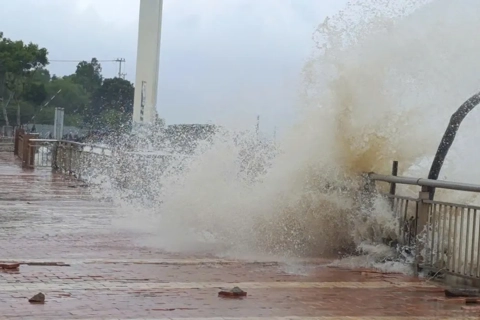
Northeasterly winds of level 5–6, gusting up to level 7–8, will affect coastal provinces and cities, bringing rough seas with waves reaching 1.5–3 meters. The northern East Sea, including the Hoang Sa (Paracel) Archipelago, will face stronger winds and waves up to four meters high.
Recent monitoring shows that sea surface temperatures in the central Pacific fell significantly from -0.1°C in July to -0.5°C in September. Experts believe temperatures could drop further to -1°C in the coming months.
This increases the probability of La Nina formation to 60%–75%, signaling a return of cold and humid weather patterns.
Vietnam’s climate history indicates that during La Nina years, winter temperatures tend to be lower than usual, especially in the northern and north-central regions.
With La Nina likely to be mild to moderate, climate models predict the 2025–2026 winter will be colder than recent years, with several prolonged severe cold waves.
Experts predict that from mid-December 2025 to the end of February 2026, strong cold fronts will occur frequently, driving temperatures well below the average of previous years. Northern mountainous areas may face frost, ice and even snowfall, posing risks to agriculture, livestock and daily life.
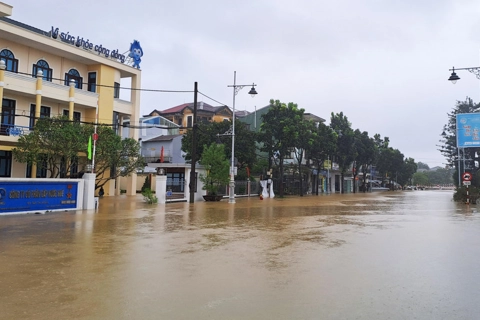
Along with La Nina and cold air activity, areas from southern Nghe An to Quang Ngai are expected to face heavy rains and strong thunderstorms, with risks of whirlwinds, landslides, flooding and flash floods.
Authorities urge people to stay alert when traveling or working outdoors, monitor the latest weather updates and take preventive measures to ensure safety.