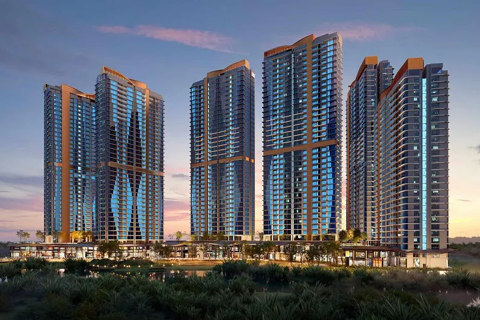
Vietnamese Gov’t to raise $36.2 billion to build 1 million social houses by 2030
Major cities such as Hanoi, Ho Chi Minh City, Danang, Cantho and Haiphong will be asked to prioritize the construction of independent social housing projects and worker housing.
The Vietnamese government has approved a plan to build one million social housing units by 2030 by mobilizing VND849 trillion (US$36.2 billion) from private and public sources.
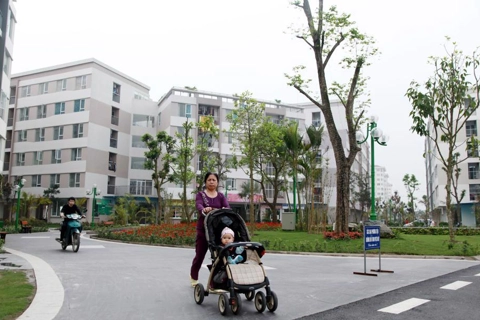
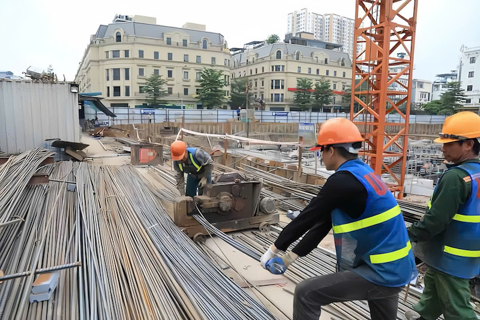
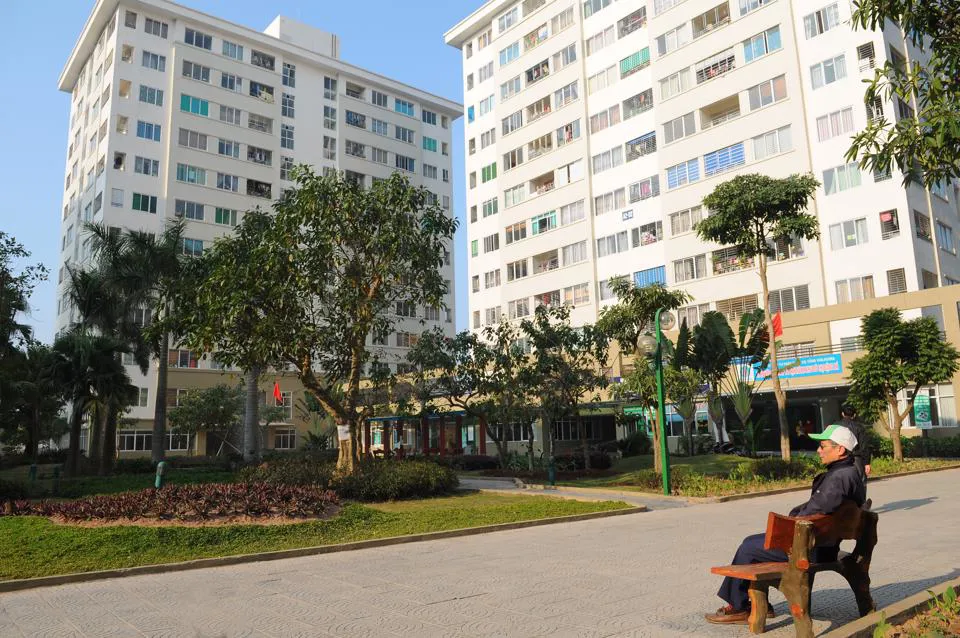
| Social housing project in Dang Xa, Gia Lam District. Photo: Mai Van/The Hanoi Times |
The plan aims to provide affordable housing for low- and middle-income households in urban areas and for workers in industrial parks.
Under the plan, the Ministry of Construction has been tasked with studying a draft resolution proposing implementation policies for social housing development to be submitted to the National Assembly.
Municipalities will be required to allocate land for the construction of social housing and worker accommodation when developing urban and rural areas, industrial parks, and research and training zones.
“Social housing will be a key indicator of the socio-economic development of provinces and cities and will be included in the medium and long-term capital plans of localities,” stated the plan.
The Government expects to mobilize capital for social housing development by using local development investment funds and foreign investment, and new regulations will be added to support this effort.
In the immediate future, the government has ordered localities to work with the State Bank of Vietnam (SBV) to implement a VND120 trillion ($5.11 billion) loan program and other credit packages to support investors and buyers of social and worker housing. Interest rates for these groups will be 1.5-2% lower than the average medium- and long-term lending rates of state-owned commercial banks.
Meanwhile, the authorities would revise the existing regulations on selecting investors for the construction of social housing to mobilize social resources.
Industrial park infrastructure companies will act as investors in the construction of workers' housing and can either build their housing or transfer the land with infrastructure to workers' legal representative bodies or other enterprises.
The commercial area in social housing projects will be accounted for separately, accounting for 20% of the total project. Provinces and cities will use part of the land use fees collected from commercial housing projects and urban areas to build technical infrastructure and support land clearing for social housing projects. Investors who build social housing will not be required to repay the exempted land use fees when they sell their properties.
Enterprises can purchase, rent, or lease-purchase social housing for their employees. Localities must make public the land fund available for the construction of social housing and allocate budget to encourage the participation of economic sectors in social housing projects, noted the Government’s plan.
Major cities such as Hanoi, Ho Chi Minh City, Danang, Cantho, and Haiphong are requested to prioritize the construction of social housing projects and housing for workers in convenient locations with sufficient technical and social infrastructure. Real estate businesses are urged to pay more attention to social housing.
In addition, the SBV has issued guidelines for implementing the loan program for social housing, worker housing, and the renovation and rebuilding of old apartment buildings. Until the end of June, social housing buyers can borrow from the VND120-trillion package with an interest rate of 8.2% per year for five years. Each homebuyer is entitled to a one-time loan to buy an apartment in the specified list, and each investor can borrow capital once for a project.
The demand for social housing in the country is projected to reach 2.4 million units by 2030, out of which 1.2 million units will be needed by 2025. Moreover, among the 2.7 million workers in industrial parks, 1.2 million need housing. The country has finished 301 projects, providing 155,800 units of urban social housing and housing for industrial park workers. Additionally, there are over 400 ongoing projects, which will provide around 454,360 apartments.