Vietnam launches campaign to protect women and girls in the digital era
Technology-facilitated violence is increasing, affecting 16%–58% of women and girls through forms of online abuse such as sexual exploitation, grooming and the non-consensual sharing of intimate images addressed by the Hanoi Convention.
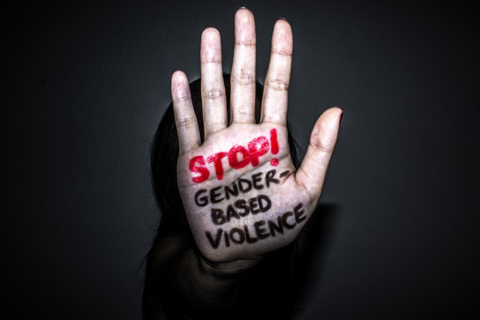
THE HANOI TIMES — Vietnam’s month-long campaign against gender-based violence will be launched on November 15, a move that supports the implementation of the UN Convention against Cybercrime, also known as the Hanoi Convention, according to UN Resident Coordinator Pauline Tamesis.
The National Action Month on Gender Equality and Gender-based Violence Prevention and Response 2025 was introduced in Hanoi on November 11, attracting backing from government agencies, international organizations and the media.
Tamesis said this year’s campaign aligns with the Hanoi Convention and national frameworks such as Party Resolution 57 and Vietnam’s pledge to the Global Digital Compact, reflecting the country’s growing leadership in building a safer digital environment for women and girls.

The National Action Month for Gender Equality and Gender-based Violence Prevention and Response 2025 is believed to advance the UN Convention against Cybercrime (the Hanoi Convention). Photo: Plan International
Themed “Gender Equality and Safety for Women and Girls in the Digital Era,” the campaign received support from different stakeholders, especially Vice Minister Nguyen Thi Ha, United Nations Resident Coordinator Pauline Tamesis, ambassadors, representatives from UN agencies, NGOs, mass organizations and the media.
On this occasion, Tamesis said this year’s campaign advances the Hanoi Convention alongside national frameworks such as Party Resolution 57 and Vietnam’s pledge to the Global Digital Compact.
“The effort aims to create a digital future where women and girls are protected and empowered to thrive,” she told The Hanoi Times.
The campaign follows the high-level international conference and signing of the Hanoi Convention three weeks ago.
Tamesis congratulated the Government of Vietnam on hosting the historic event, which brought together national and international partners from more than 130 countries to address the urgent challenges of cybercrime, including technology-facilitated gender-based violence.
She said the digital era has brought opportunities and new risks. Globally, almost one in three women has experienced physical or sexual violence at least once in their life, often by intimate partners.
Technology-facilitated violence is rising, with between 16% and 58% of women and girls targeted by online abuse, including online child sexual abuse, child sexual exploitation, solicitation or grooming and non-consensual dissemination of intimate images, which are addressed by the Hanoi Convention.
In Vietnam, 23% of children online accidentally encountered sexual content, while 14% viewed it intentionally. Nearly 2% were offered money or gifts for sexual images, and 1% had such content shared without consent.
Among ethnic minority boarding schools, over half of female students aged 14-19 experienced online violence in the past three months.

The The National Action Month for Gender Equality and Gender-based Violence Prevention and Response 2025 catches the attention of representatives from UN agencies, including UN Women, UNFPA, UNICEF. Photo: UN Women
The cost and consequences
“These statistics are not just numbers. They are young girls, boys, or women who just want to feel safe online,” said Tamesis.
Online child sexual exploitation and technology-facilitated gender-based violence are part of a continuum of harm that demands coordinated, victim-survivor-sensitive systems with specialized services and shared accountability.
Tamesis said, digital transformation must be inclusive, safe and empowering for all, especially women and girls, as Vietnam advances toward its vision of becoming a high-income country by 2045.
It’s necessary to address the gender digital skills gap by empowering women and girls with knowledge to navigate digital spaces. Investment in digital literacy and advanced digital skills is needed, especially for rural and marginalized communities. Encouraging STEM education and careers for girls and promoting their access to technology leadership and entrepreneurship opportunities are also essential.
At the same time, fostering multi-sector partnerships among government, UN agencies, civil society, academia and the private sector aims to create safe digital ecosystems. Working with technology companies allows for faster removal of harmful content, while supporting civil society and social workers enables timely online and in-person psychological assistance.
Meanwhile, more training should be given to frontline responders to provide victim-survivor-sensitive services. Law enforcement officers, educators, social workers and healthcare providers need to strengthen their capacity to identify the issues.
In addition, it needs to invest in prevention by integrating digital safety and gender equality into school curricula from an early age. Parents, teachers and community leaders should be equipped with resources to promote safe and empowering digital experiences for children and adolescents, while fostering respect and positive attitudes toward women and girls online.
“With that, Vietnam can reduce the cost of response services over time,” Tamesis said.
She noted that Vietnam is advancing this agenda on a strong foundation. Just as the country built the human capacity that powered the Doi Moi (Renewal), today’s generation must build a community capable of protecting and empowering every user to maximize the benefits of the digital era.
Tamesis said the UN stands ready, as partner, convenor and advocate, to support Vietnam in realizing the promise of its digital future: a future of safety, equality and dignity for all.
“Let us work together to ensure that the digital era is one of opportunity, not vulnerability, for every woman, girl and child in Vietnam,” she stated.
Speaking at the ceremony, Vice Minister of Home Affairs Nguyen Thi Ha said gender equality is both a political priority and a driver of sustainable development.
Vietnam now ranks 39th out of 158 in the Global Governance Forum’s Gender Equality and Governance Index 2024, up 32 places from 2022, with women making up over 30% of the National Assembly, above both regional and global averages.
Ha emphasized that while digital transformation expands access to education and jobs, it also creates risks such as online harassment and cyberbullying.
“This year’s theme underscores the need for cross-sector coordination to ensure safety for women and girls in the digital era,” she said.
She called on ministries, localities and partners to strengthen cooperation, raise awareness and promote action against gender-based violence.
Ha also urged the media to amplify positive messages about women’s roles and promote safe online behavior, stressing that “men and boys must be allies in building a civil, safe digital environment for women and girls.”