Vietnam needs inclusive policies to promote high-quality population growth
Human resources will soon replace natural resources, and quality human resources are the driving force for sustainable national development.
Addressing the challenges of population and development requires a comprehensive approach involving economic, political, social, educational, and other policies to achieve harmonious and equitable population size, structure, and quality in all regions and areas.
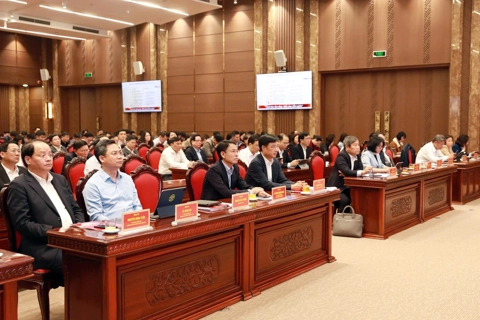
| Overview of the meeting. Photo: Minh Khoi |
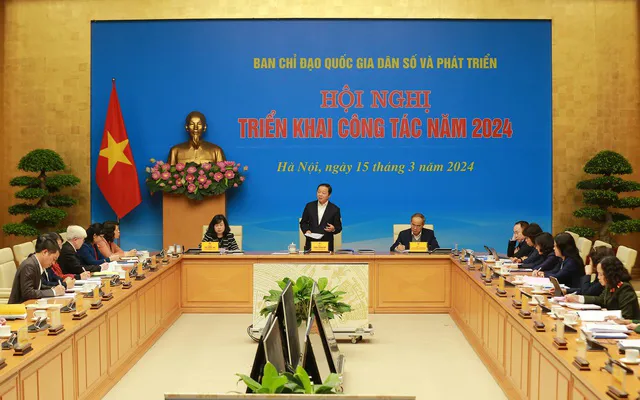
Deputy Prime Minister Tran Hong Ha stressed this view at a meeting of the National Steering Committee on Population and Development on March 15.
Ha stressed that the Party's 2017 Resolution No. 21-NQ/TW on population work in the new situation has shifted the focus of population policy from family planning to population and development, emphasizing that "investing in population is investing in development."
However, the implementation of Resolution 21 has shown that challenges in population and development work remain complex, such as gender imbalance at birth, low fertility rates, migration and others, Ha said.
According to the report of the Ministry of Health, Vietnam's population in 2023 was about 100.3 million, with a population growth rate of 0.84%. The proportion of the working-age population is nearly 70% of the total population, entering the golden phase of population structure.
The quality of the population has improved in many aspects, such as physical health, life expectancy, cultural level, reproductive health, and a decrease in consanguineous marriage and early marriage.
However, the large size of the population also puts pressure on economic, technical, social, and urban and rural environmental infrastructure. In particular, Vietnam's population model shows paradoxes: fertility rates are higher in the highlands than in the Delta, higher in rural areas than in urban areas, and the poorest groups tend to have more children than others. The sex ratio at birth remains high compared to the natural balance (104-106 boys per 100 girls).
Vietnam is a country experiencing rapid population aging (expected to enter the aging period in 2038), which will have a profound impact on various aspects of social life, such as health systems, social welfare and employment, Ha noted.
There is also a need to improve and enact mechanisms, policies and laws related to population. The network of population services does not meet the increasingly diverse needs of the population. Resources are insufficient to meet the requirements for the development of basic social services. The organization and machinery of population work lack unity, and are constantly changing and fluctuating. The state budget allocation for population work is insufficient, and social resources have not been effectively mobilized.
Based on the study of population models in developed countries such as Japan and South Korea, experts and scholars have identified several factors that affect the size and quality of the population: the high cost of living and raising children compared with labor income, excessively long working hours, women's need to balance household and social work, and an unfriendly environment for children.
Many young people in Vietnam consider marriage and childbirth inconvenient, burdensome and unnecessary under the current conditions," said Prof. Dr. Nguyen Thien Nhan, former Secretary of the Ho Chi Minh City Party Committee, Head of the National Assembly Delegation, stressing the need to develop messages and communication materials on population and development policies in the current situation.
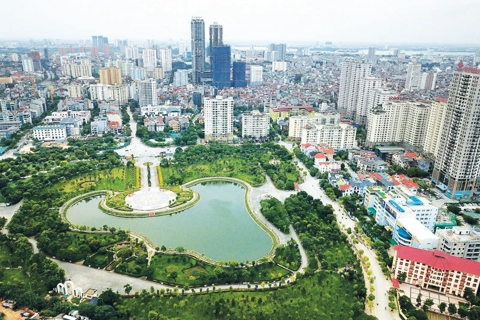
| Quality human resources are the driving force for sustainable development. Photo: The Hanoi Times |
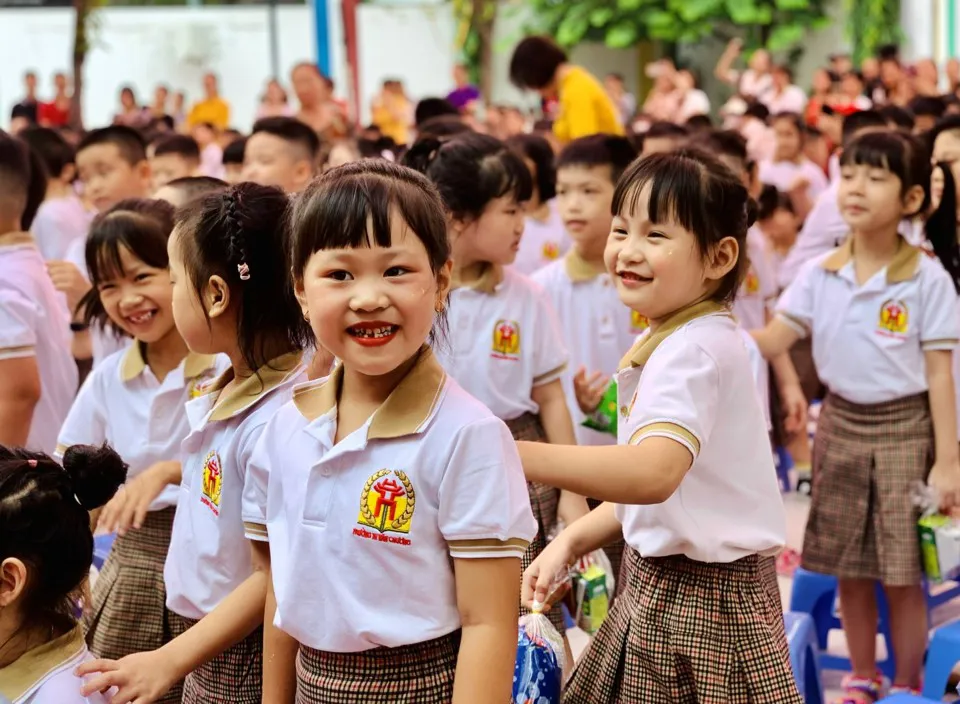
In conclusion, the Deputy Prime Minister emphasized the importance of population and development work as human resources will replace natural resources and quality human resources are the driving force for sustainable national development.
“The success of past family planning population policies shows the need for comprehensive, resolute and unified implementation," Ha said.
He added that the major challenges in population and development work today are a lack of deep understanding and awareness of the importance of population and development work; a lack of unified, consistent direction from the central to local levels; where birth rates need to be increased, they are decreasing and vice versa.
According to the Deputy Prime Minister, addressing the challenges of population and development requires a comprehensive approach that includes economic, political, social, and educational policies that aim to achieve a harmonious and rational size, structure, and quality of the population in all regions and areas.
The Deputy Prime Minister instructed the Ministry of Health, in coordination with other ministries, sectors, and localities, to study and absorb the contents of the evaluation of Resolution 21-NQ/TW, referring to successful and unsuccessful experiences worldwide; to intensify public awareness campaigns; to thoroughly understand the accurate, correct and complete contents and importance of population and development policies; Urgently develop and improve the legal framework for population and development; advice on the organization of unified, comprehensive and effective machinery in the field of population, along with budget allocation and personnel arrangements; establish databases, collection tools and statistics on population indicators; clarify the contents of State management activities on population, especially inspection and reporting mechanisms.