Vietnam starts building 3 national expressway sub-projects worth US$1.6 billion
Vietnam is determined to have the best transportation system to serve the country’s goal of industrialization and modernization, Prime Minister Nguyen Xuan Phuc has said.
The Ministry of Transport on September 30 held a ground-breaking ceremony for three sub-projects under the Eastern North-South Expressway project.
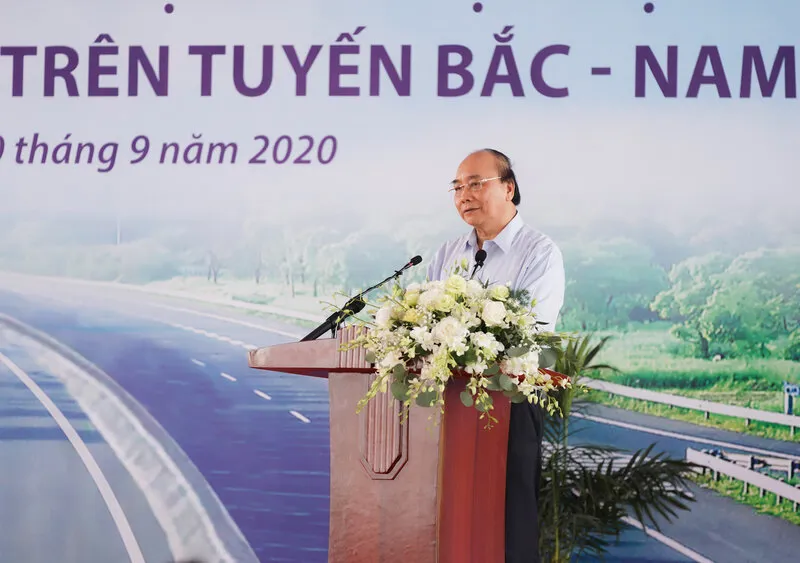
| Prime Minister Nguyen Xuan Phuc speaks at the ground-breaking ceremony. Source: VGP. |
These sub-projects consist of sections of Mai Son – National Highway No.45 (Thanh Hoa province), Vinh Hao – Phan Thiet (Binh Thuan province), and Phan Thiet – Dau Giay (Dong Nai province) with a combined investment capital of VND37 trillion (US$1.6 billion).
All three were previously subject for change in the financing format from the Public-Private Partnership (PPP) to public investment, scheduled for completion by late 2022.
Vice Minister of Transport Nguyen Ngoc Dong said once completed, the North-South expressway would address shortcomings of the National Highway No.1 which runs in parallel with the new ones. Specifically, the existing National Highway only allows an average speed of around 40 – 60 kilometers per hour due to residential areas on the roadsides, while the use of mixed lanes also poses risk of traffic accident.
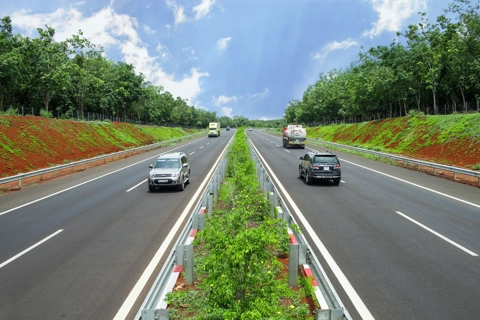
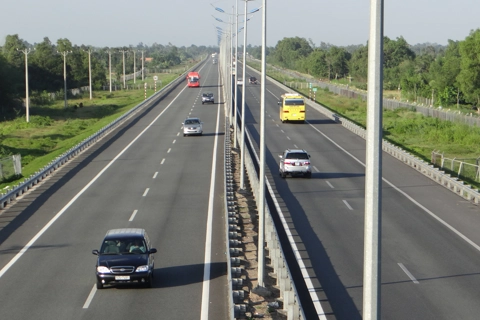
Meanwhile, the new highway is designed to have a speed limit of 80 – 120 kilometers per hour with opposite lanes devided to ensure higher speed for vehicles.
According to Mr. Dong, the construction of the North-South expressway would help better connect economic zones to support economic growth.
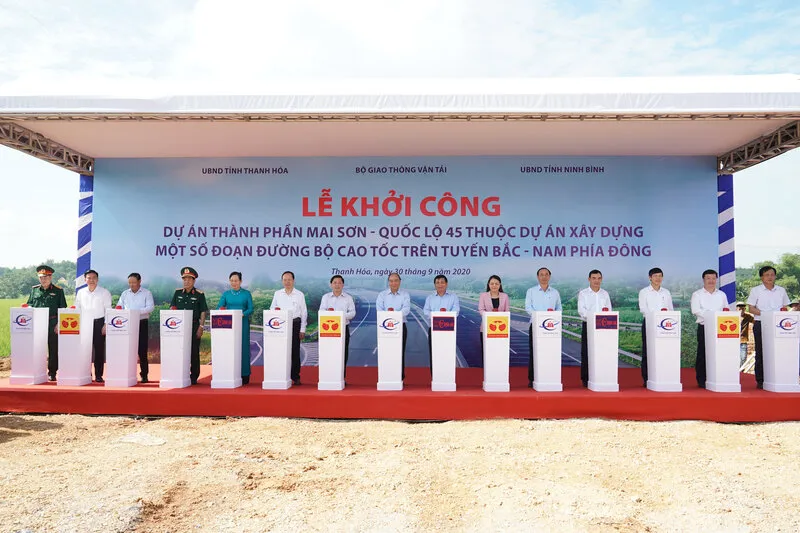
| Overview of the ground-breaking ceremony. Source: VGP. |
The Eastern North-South expressway project, which is of national priority for investment in the 2017 – 2020 period, includes 11 sub-projects with a total length of 654 kilometers running through 13 provinces and cities worth US$100.81 trillion (US$4.32 billion), including VND78.46 trillion (US$3.36 billion) from the state budget to be pumped into six state-funded projects.
Prime Minister Nguyen Xuan Phuc said once the entire project is completed, Vietnam would have 2,000 kilometers of expressways, the figure would be at least 5,000 kilometers by 2025 for the national road network stretching from the northern province of Lang Son to the southernmost province of Ca Mau.
Mr. Phuc suggested transportation is essential for development, and Vietnam is determined to have the best transportation system to serve the country’s goal of industrialization and modernization.
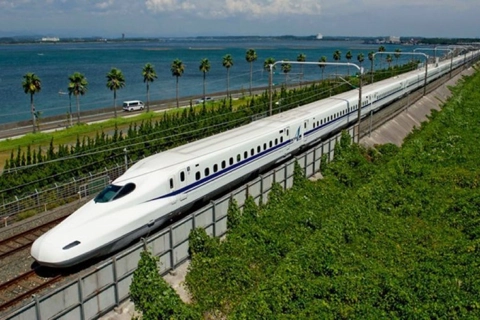
The PM also noted the government would not only invest in road transportation, but also other transportation modes, especially in upgrading the current obsolete railway network.
With the Eastern North-South expressway included, the country would have four major trans-Vietnam roads, including National highway No.1, Ho Chi Minh highway, and coastal highway.