Vietnam tightens social housing rules, orders recovery from ineligible recipients
The prime minister has issued a new directive that requires authorities to recover social housing units sold to ineligible recipients and strengthen enforcement to prevent fraud and abuse.
THE HANOI TIMES — Authorities may reclaim social housing units while individuals and organizations will face strict penalties for violating the rules on declarations and eligibility verification in purchasing social homes.
The measures are part of Directive 34 signed and issued by Prime Minister Pham Minh Chinh this week to strengthen transparency and prevent misconducts in the approval, sale, lease-purchase and rental of social housing.
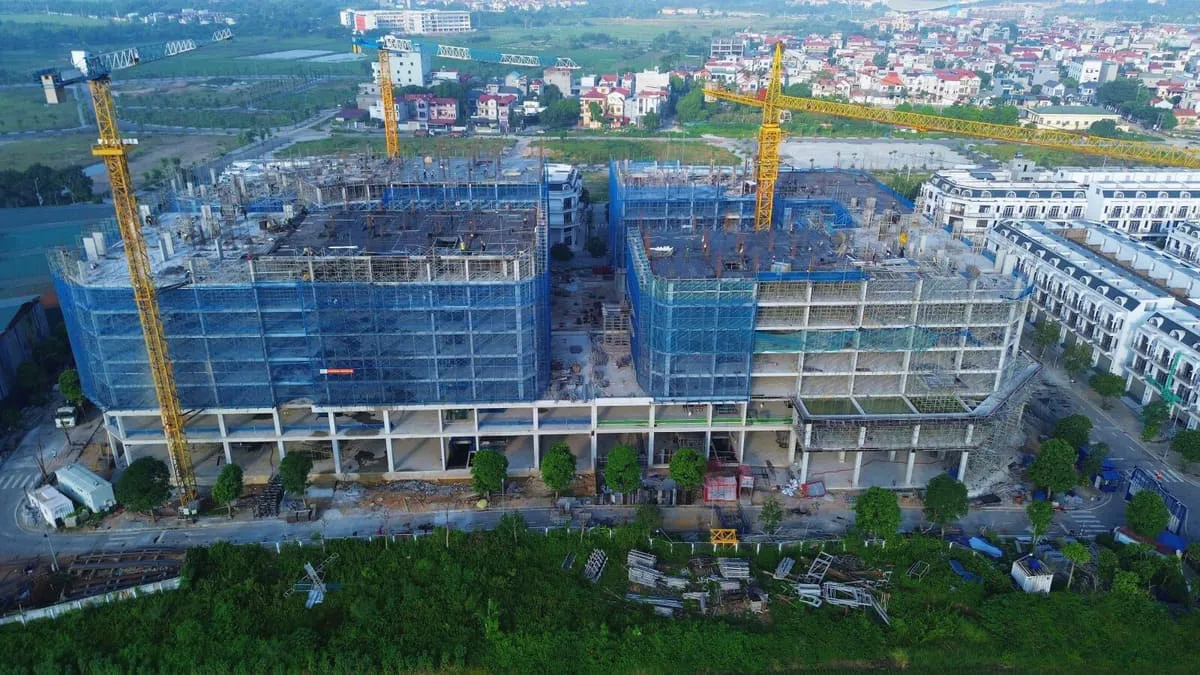
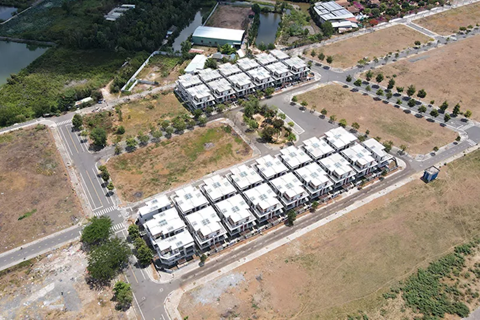
A social housing complex in Dong Anh Commune. Photo: Kinh te & Do thi Newspaper
The directive states that authorities will publicly disclose the names of violating individuals and organizations.
Provincial and municipal governments must coordinate with police to strictly handle illegal brokerage and profiteering related to social housing procedures, documents and transactions.
Authorities will also strictly penalize developers and enterprises that violate laws during applicant screening, along with organizations and individuals that engage in illegal brokerage or abuse social housing policies.
Alongside these measures, the prime minister calls for stronger post-inspections of social housing purchases, lease-purchases and rentals.
He orders local governments to establish hotlines and feedback channels and publish them on local government websites.
To improve transparency and prevent fraud, local authorities must publish project information after construction starts, inspect and verify eligible applicants and limit cases in which one applicant submits documents to multiple projects.
The prime minister also orders authorities to publish lists of approved buyers and lease-purchase recipients after contract signing and update these lists on the websites of local Departments of Construction to support post-inspections and prevent duplicate beneficiaries.
The government leader requests that inspection and audit agencies help authorities ensure correct calculation of social housing prices and prevent enterprises from exploiting flexible state policies for profit.
For social housing developers, the prime minister demands they organize public lotteries when applications exceed available units, with supervision from local Departments of Construction and assistance from the press.
Developers must not collect deposits or authorize individuals or trading floors to collect deposits outside legal regulations. Developers must proactively coordinate with authorities to detect and strictly handle organizations, individuals and trading floors that misuse labels such as “support” or “consulting” to profit illegally.
The Ministry of Public Security must direct commune-level police to verify income conditions for low-income urban residents without labor contracts based on population database information.
Police will also investigate and handle illegal brokerage, fraud, asset appropriation and manipulation of social housing application files.
The directive came as authorities have constantly addressed shortcomings that create risks of misconduct in social housing approval, purchase, lease-purchase and rental at several projects in Hanoi, Danang and Ho Chi Minh City.
These problems include large crowds gathering during application submission, weak control over intake procedures that causes frustration and conditions that allow illegal services to emerge.
Authorities have recorded brokers and illegal intermediaries, “slot running”, promises of guaranteed lottery success, advertisements for “diplomatic quotas” and offers to prepare “guaranteed approval” application files.
Some individuals have exploited policies by submitting applications to multiple projects or using relatives’ names.
At several projects, authorities have failed to disclose project information, unit numbers, approval results and buyer lists in a timely manner.
Some social housing projects have announced selling prices 30%–40% higher than market averages, which has caused public concern.
Weak post-contract inspections and poor monitoring of transfers have increased the risk of speculation and policy abuse.
According to the directive, if authorities fail to address these issues, public trust will decline, social equity will weaken, policies will become distorted, risks of corruption and vested interests will rise and a shadow market for accessing social housing will emerge.